



125-Million-Year-Old Megaraptoran Identified in England
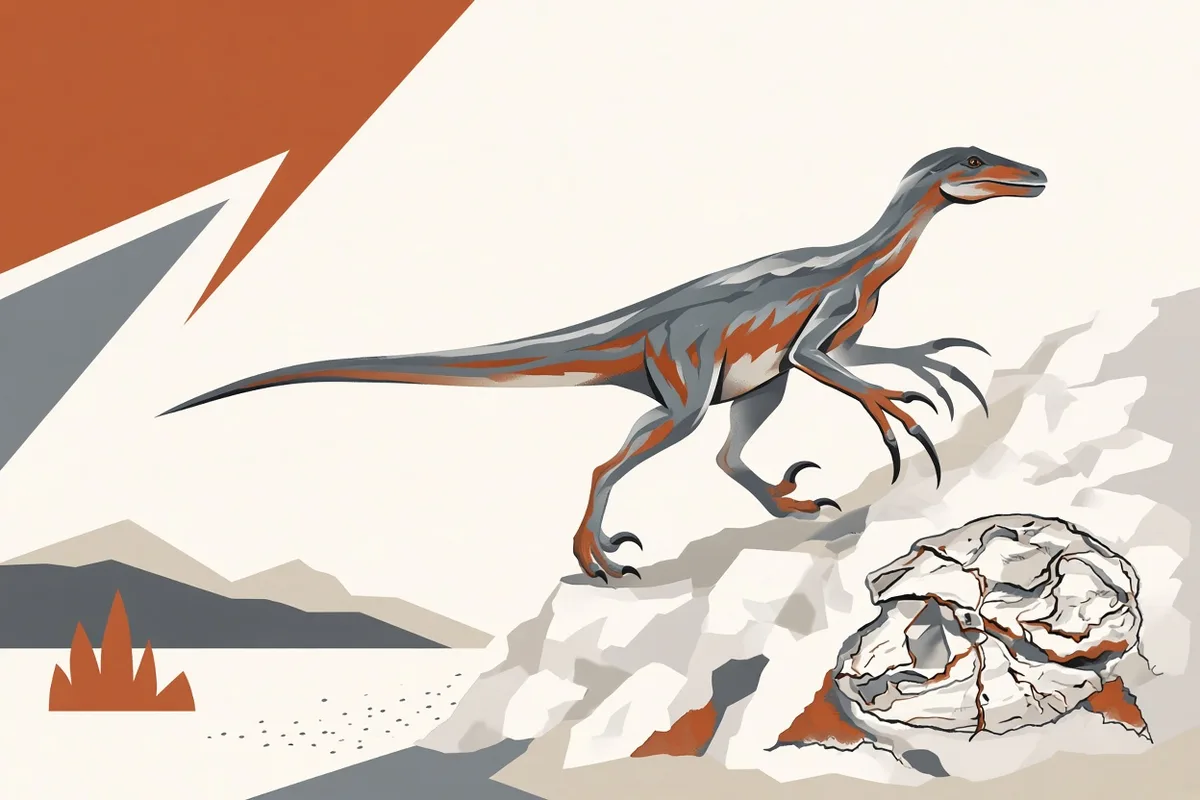
Scientists identified Invictabellatrix amberina, a new megaraptoran relative of Tyrannosaurus rex, from a partial skull found at Sudmoor Point near Brook on England's Isle of Wight. The fossil was acquired by the Natural History Museum, London from Reverend R. W. Hooley in May 1924 and stayed in storage more than a century until researchers examined museum holdings rather than digging in the field. Cassius Morrison led work published in Royal Society Open Science; Paul Barrett of the museum is a co-author. CT scans produced 3D reconstructions that marked it as a new species. Estimates put the animal at 3 to 4 meters long and 1.50 meters high. Morrison said megaraptors are almost opposite a bulky tyrannosaur, with slender heads, long arms, long claws, and more agility because they were lightweight. Barrett said feathers are suggested because many close relatives had them, while color is artistic license. One outlet reported the dinosaur may have been more dangerous to humans than T. rex because human size fit its likely prey better than an adult T. rex's; Sergio Parra wrote the comparison concerns possible interest in human-sized prey, not measured dangerousness, and both species died out long before humans. The study text says the name is meant to give hope and strength to those bullied, discriminated against, victimized and oppressed. Outlets differ on genus spelling, on age as about 125 or 120 million years, and on Morrison's tie to University College London or the University of Leeds.