



Asian Games Face Housing Shortage Across Aichi
Inside a temporary hut near Nagoya’s port, water ran from a leaking sink and soaked the surface beneath it. Byeon Jun-hyeong posted the clip with a single caption: “Please help us.”
The same footage circulated under the spelling Byun Jun-hyung, and some reports carried the plea as “Please save us.” The hut belonged to the cluster of container-style units stood up for the Asian Games, and South Korea’s men’s basketball team was among the groups billeted there. The squad had arrived early to begin group-stage play before the official opening.
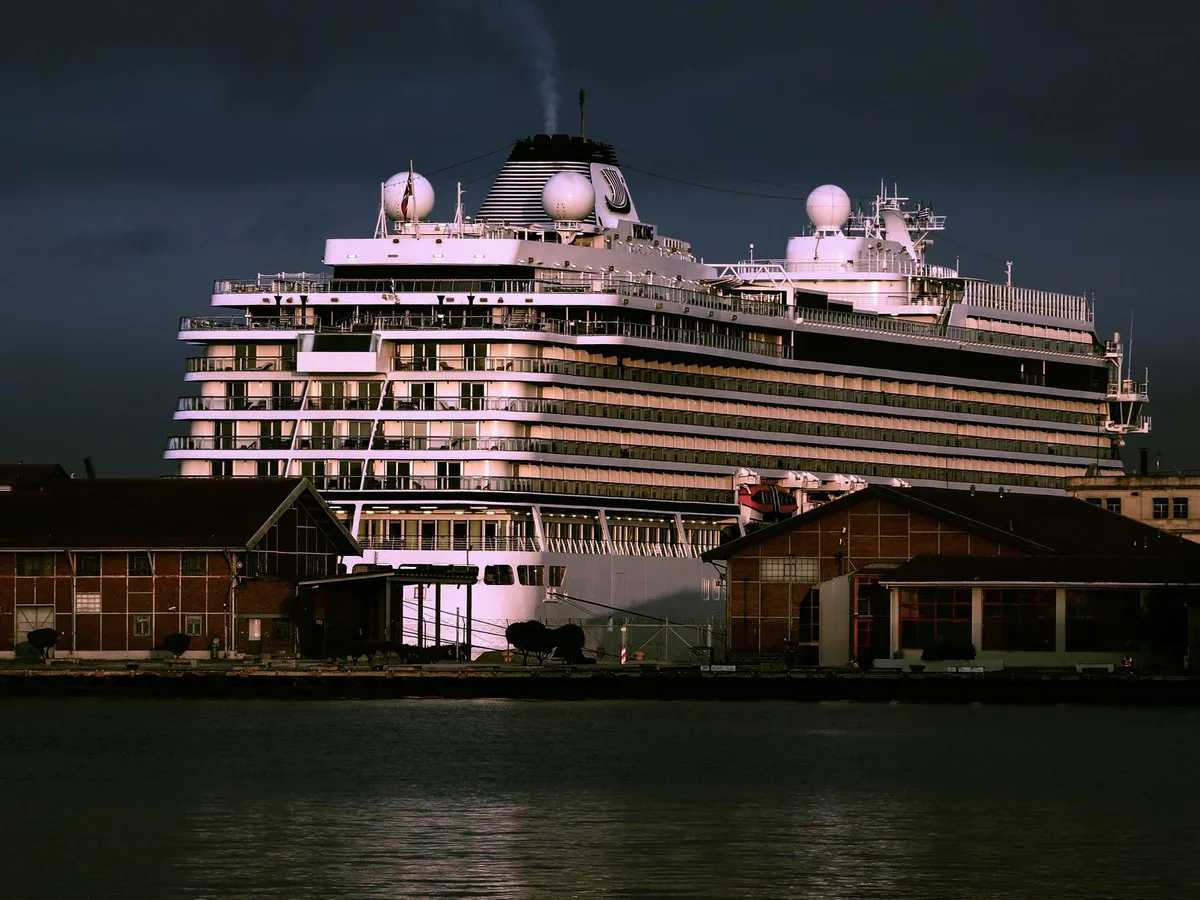
No dedicated athletes’ village had been built. Organisers chose temporary wooden shipping-container-style lodging instead, along with hotels and a cruise ship still due in port. Jung Jae-yong, vice president of the Korea Basketball Association, said the conditions were unlike any he had known. “Based on my experience this is the worst it has ever been,” he said.
The container units measure about 69 square meters. Single beds inside come with extension mattresses available. The beds are roughly 195 centimeters long. “Athletes who are over two metres tall cannot even stretch their legs out on the beds. It’s unreasonable,” Jung said. “The organisers have still not said anything. We are very concerned and discussing extensively with the Korean Sport and Olympic Committee what to do about this.”
Those talks remained open while the short beds stayed standard issue. The larger housing plan that replaced a single athletes’ village was only then coming into full view. More than 17,000 athletes and officials were expected, up from an initial estimate of 15,000. About 2,000 had been assigned to the temporary wooden shipping-container-style huts at Nagoya’s Garden Pier. Between 4,000 and 5,000 would be housed aboard the Italian cruise ship Costa Serena at Kinjo Wharf. About 9,000 would stay in city hotels, according to the Korean Sport and Olympic Committee breakdown.
Hotel beds for part of the field sat outside Aichi. Swimming, diving and equestrian events would take place in Tokyo, and the athletes for those sports would lodge there. The Costa Serena was due to arrive on Tuesday to take on its share.
Organisers had put the huts, the ship and the hotels in place to cut costs. The rise past the original 15,000 came in part after the Olympic Council of Asia added padel and teqball. Organisers had first planned a single athletes’ village on the former Nagoya Racecourse site in Minato-ku. High construction-material costs ended that plan. In its place they turned to temporary wooden villas meant for reuse afterward as disaster-response units and tourist lodging, together with the cruise ship and city hotels already assigned.
Hideaki Omura, the organising-committee chairman and Aichi governor, stated that the host side had neither the manpower nor the budget beyond the 15,000 fixed in the hosting contract; those over quota must arrange their own lodging. Ichiro Hirosawa, Nagoya’s mayor and acting chairman, noted how hard it is to house such numbers under tight limits of time, resources and budget. The Games run from 19 September to 4 October 2026.
Hundreds of athletes were evacuated from the Garden Pier accommodation for about two hours last week under record rainfall in Nagoya. The same temporary wooden units that already house early arrivals had to be cleared, then reoccupied once the order lifted.
South Korea is sending 1,052 athletes across 41 sports. The men’s basketball team, the jujutsu squad, five cycling disciplines and three headquarters officials sit inside the container village; delegations from 18 sports, among them archery, table tennis, judo and gymnastics, have been assigned to the cruise ship. An unnamed South Korean Olympic committee official put the shortfall in plain terms. “At the moment there is a serious shortage of accommodation not only for the entire South Korean delegation to the Asian Games, but for delegations from around the world in the Aichi-Nagoya area,” the official said. “We are doing everything we can to resolve the issue and ensure there are no such problems.”
Abraham Tolentino, president of the Philippine Olympic Committee, reported that his country’s athletes had been given rooms while some officials and coaches were moved to different hotels and Airbnb. Indian sports officials built replica shipping-container huts at home so their athletes could acclimate before travel. The organising committee acknowledged the bedroom shortage and scrambled for extra hotel rooms.
An unnamed South Korean Olympic committee official kept the focus on the traffic still moving through the gates. “In any case, athletes will continue to enter and leave the country, so we will make the necessary arrangements accordingly to ensure everything proceeds without problems,” the official said.
Football and basketball are already under way. The opening ceremony follows on Saturday. More rain is forecast for Nagoya. On Tuesday the Italian cruise ship Costa Serena docks at Kinjo Wharf to take on between 4,000 and 5,000 athletes.