Catholics weigh nod of peace in church services
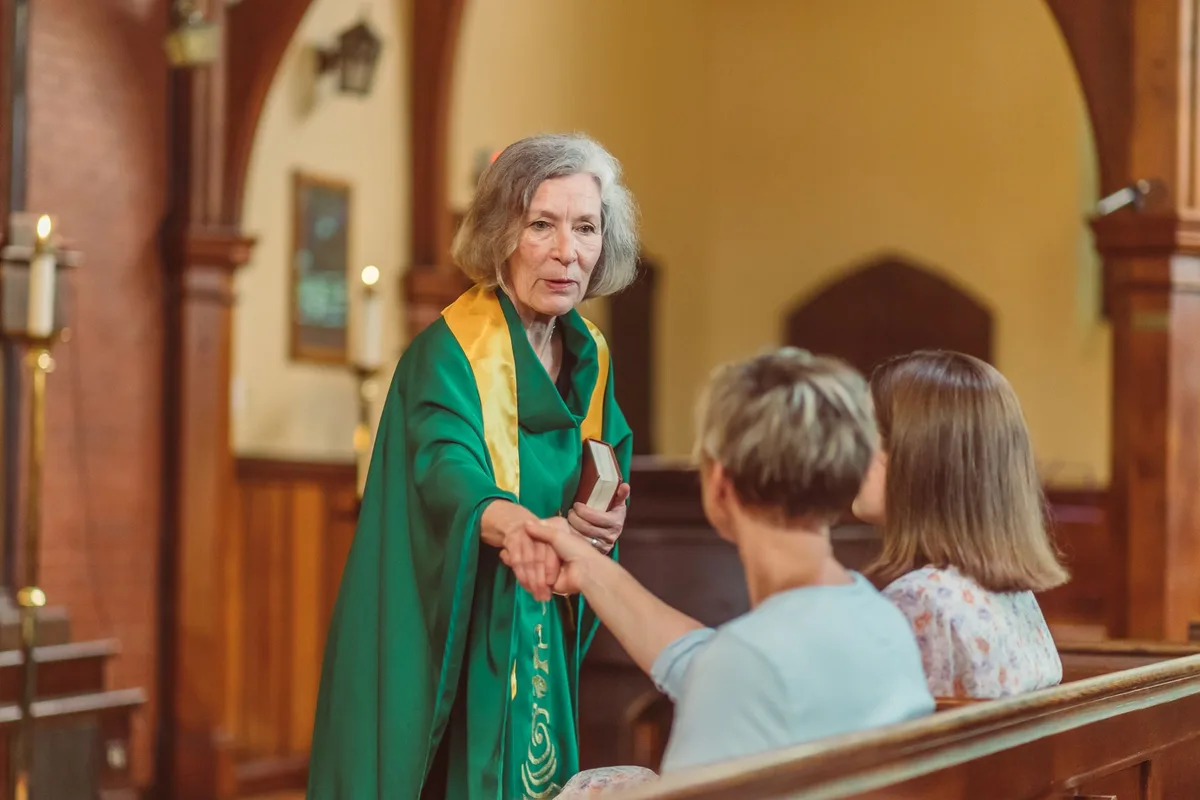
On Aug. 11, 2026, tens of thousands of fans at a Chicago White Sox game joined in a stadium-wide sign of peace led by Father Tom Hurley during the fifth inning. Most wore novelty pope mitres as they turned to shake hands with those nearby. Father Hurley spoke into a microphone about bringing peace to the world through the gesture. That scene stood out because it differed from what now happens in many Catholic parishes. Handshakes during the sign of peace have become uncommon. Nods, bows, waves and contactless peace signs took their place after the COVID-19 pandemic and have remained in use. The practice reaches back to the earliest descriptions of the Mass. Around A.D. 155 Justin Martyr wrote of Christians exchanging a kiss of peace before the Consecration. Over centuries the form changed. By the twelfth or thirteenth century a paxbrede tablet replaced the kiss and was passed among the faithful. In 1570 Pope Pius V limited the rite to clergy at the altar. The Second Vatican Council restored the sign of peace for the Roman Rite. The 1970 General Instruction of the Roman Missal placed it after the Lord’s Prayer and gave it two aims: to seek the peace and unity that come from Christ and to prepare for Communion by setting aside differences. Bishops could adapt the manner of exchange to local customs. In the United States bishops chose the handshake as the fitting expression. Many parishes adopted it readily. Some participants moved beyond their immediate neighbors and crossed aisles, which drew notice. In 2007 Benedict XVI called for greater restraint so the gesture would not distract before Communion. The COVID-19 pandemic accelerated an earlier shift away from handshakes at many parishes. What had once been a common greeting became rare. The current practice of nods and similar gestures now prompts discussion about how the sign of peace fits in parish life today. Tim O’Malley of the University of Notre Dame noted that the handshake once matched American customs of greeting. The question now centers on what form best serves the purpose of the rite in present conditions.