Engine failure cited in Austin derailment
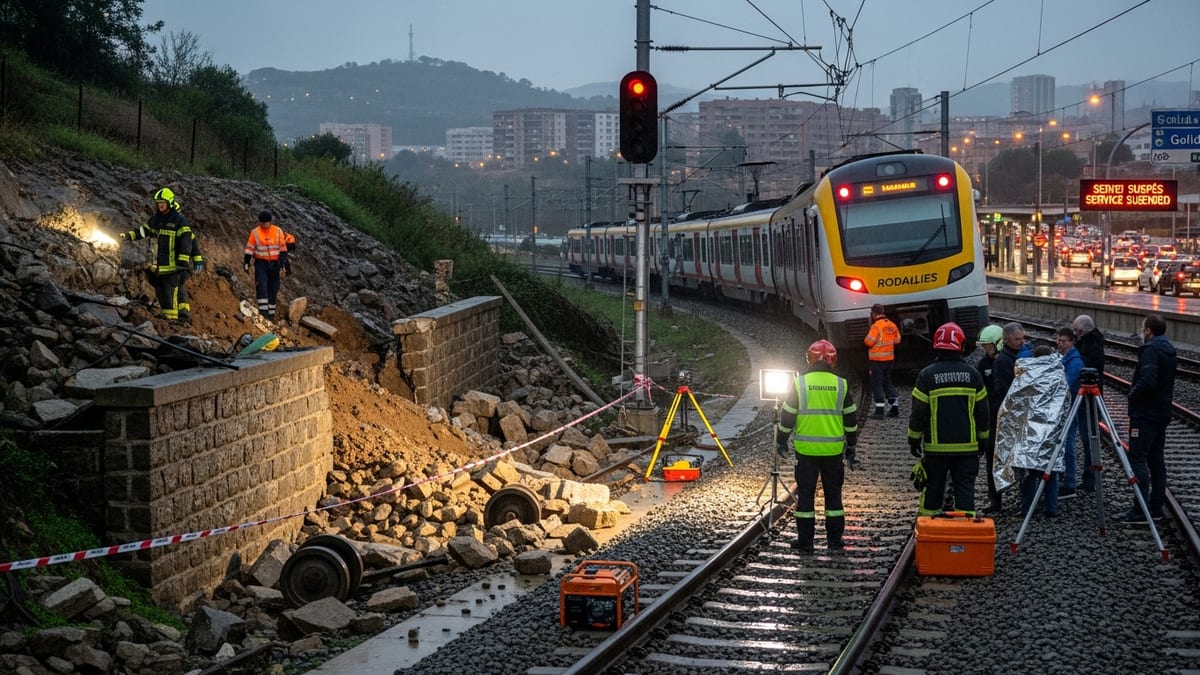
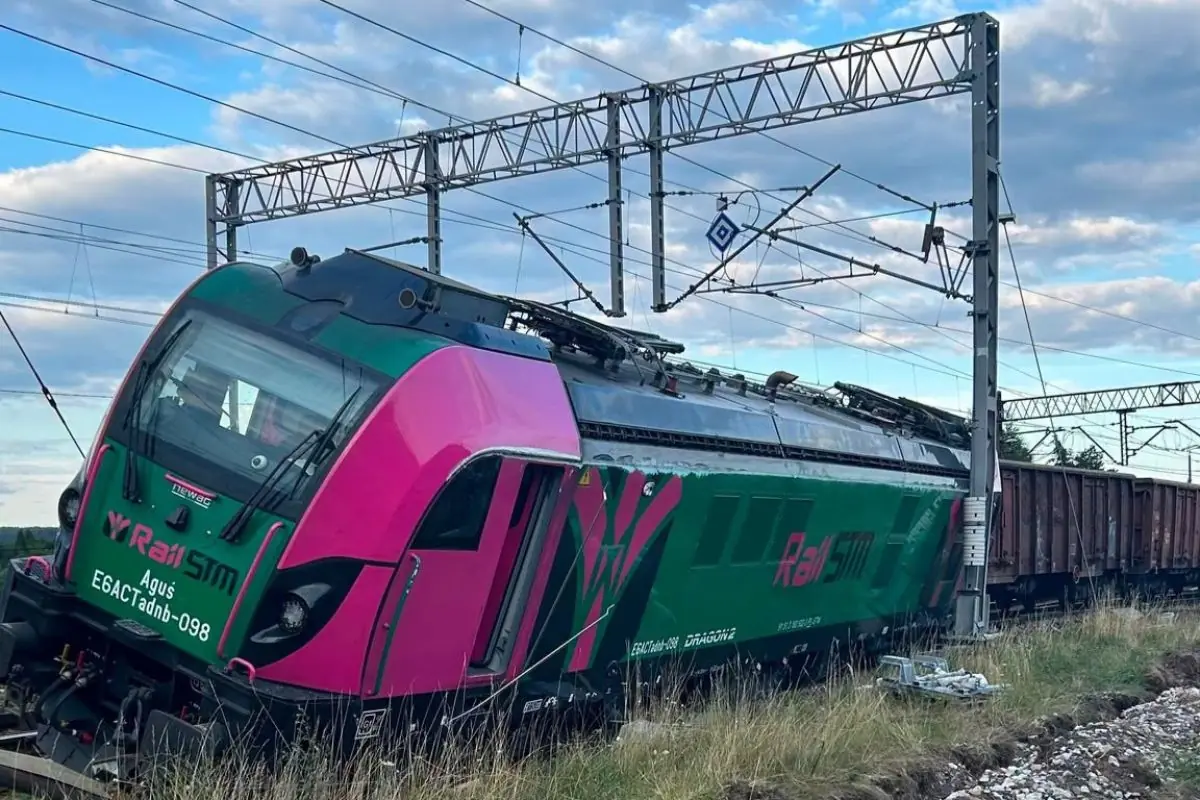
New incident reports and investigations centered on recent rail derailments highlight locomotive equipment failures and track or operational factors as key causes. In downtown Austin, federal and incident records indicate a locomotive engine unit malfunctioned shortly before several Union Pacific cars derailed, with investigators weighing mechanical defects alongside track conditions, speeds and operating practices as part of a broader reliability review that disrupted a dense urban corridor. A separate federal filing for the same Austin derailment emphasizes the engine failure as a central factor in the sequence of events that halted traffic through the city’s core, though it stops short of a definitive cause. In northern Quebec, Canada, the Transportation Safety Board found that the ore train derailment involved likely track component failures, but could not determine the exact trigger due to extensive damage and the remoteness of the site. In Poland’s Zagnańsk, two closely reported incidents involved a Newag Dragon 2 freight locomotive derailing during yard or shunting movements, with no injuries reported and operations briefly disrupted as crews secured the scene. Taken together, the reports illustrate how both mechanical defects and compromised track infrastructure can drive derailments, even as investigators juggle multiple contributing factors and difficult investigative conditions in each case.
How it spread
Claim check
What each side asserts, disputes — or leaves out entirely.
Analyzing the coverage…
Where do you land?
Whose framing of this story rings truest to you?