Georgia's Okefenokee Swamp joins UNESCO World Heritage List

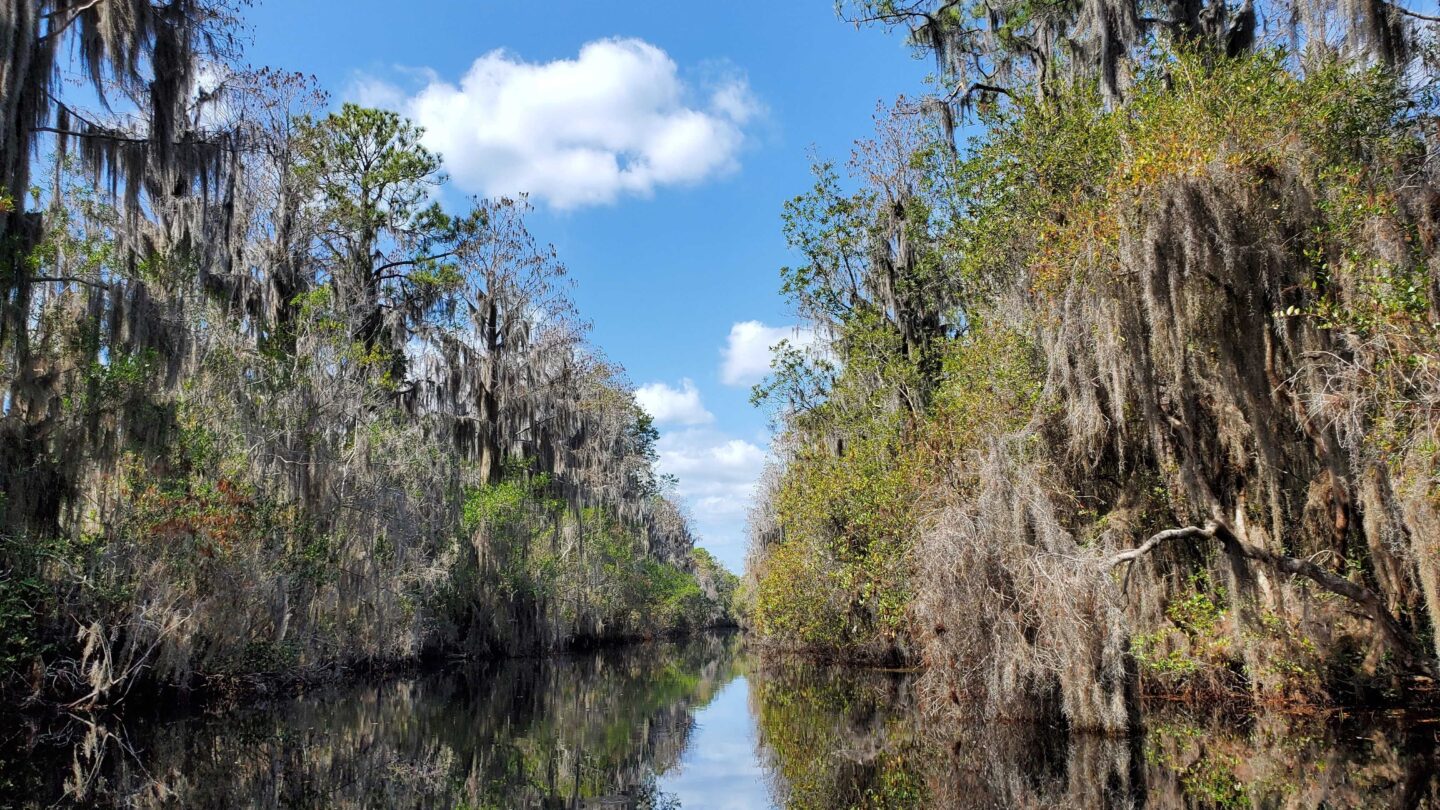
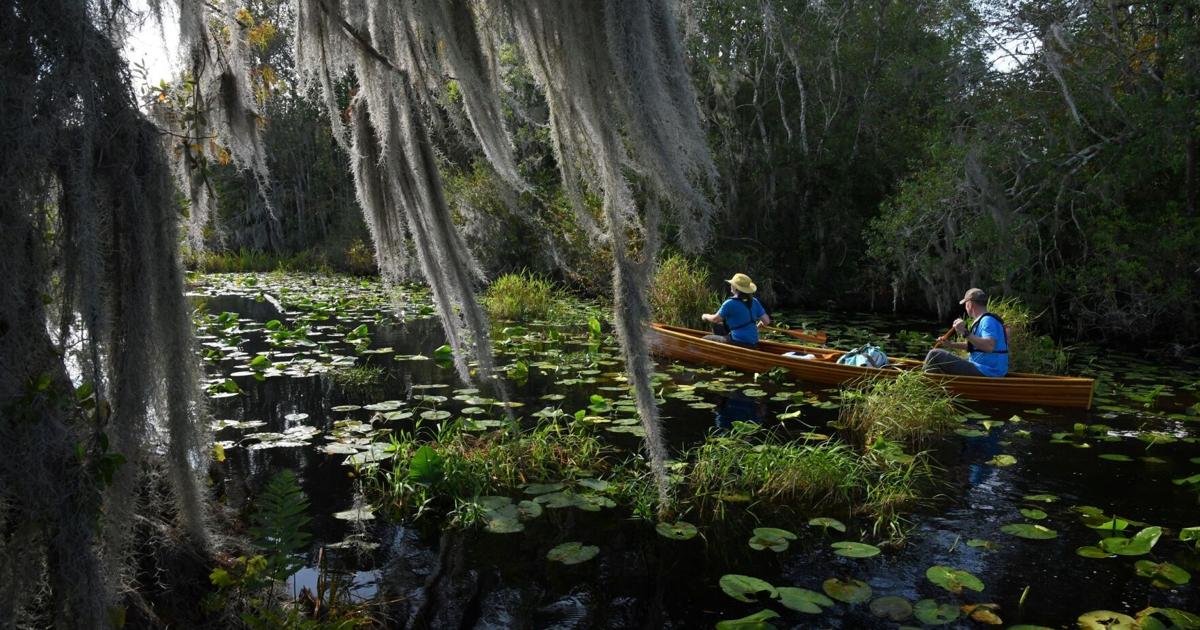
The UNESCO World Heritage Committee in Busan added Georgia’s Okefenokee National Wildlife Refuge to the World Heritage List, marking the first natural site from the United States in more than 30 years and placing the swamp among iconic landmarks like the Grand Canyon and Everglades. The designation highlights Okefenokee’s vast, largely untouched wetlands, rich biodiversity, peat stores, and its value for climate and environmental research, with supporters calling it a commitment to preserve the landscape for future generations. Concurrently, four additional coastal wetlands in South Korea were added to the country’s existing getbol tidal flats, expanding the protection of the Yellow Sea ecosystem and the East Asian-Australasian Flyway. While the announcements were welcomed by conservationists and government officials, local residents in the Okefenokee region voiced concerns about increased UN involvement and potential land and governance changes. The Busan session also featured other major nominations, including France’s D-Day beaches, Greece’s Mount Olympus, and Japan’s Asuka and Fujiwara, underscoring UNESCO’s ongoing global slate of heritage reviews. Okefenokee’s inscription followed more than four decades of advocacy and collaboration among conservationists, scientists, and local communities, even as some locals remain wary of UNESCO’s footprint in the region.