Study Links Hunting to Smaller Madagascar Flying Foxes
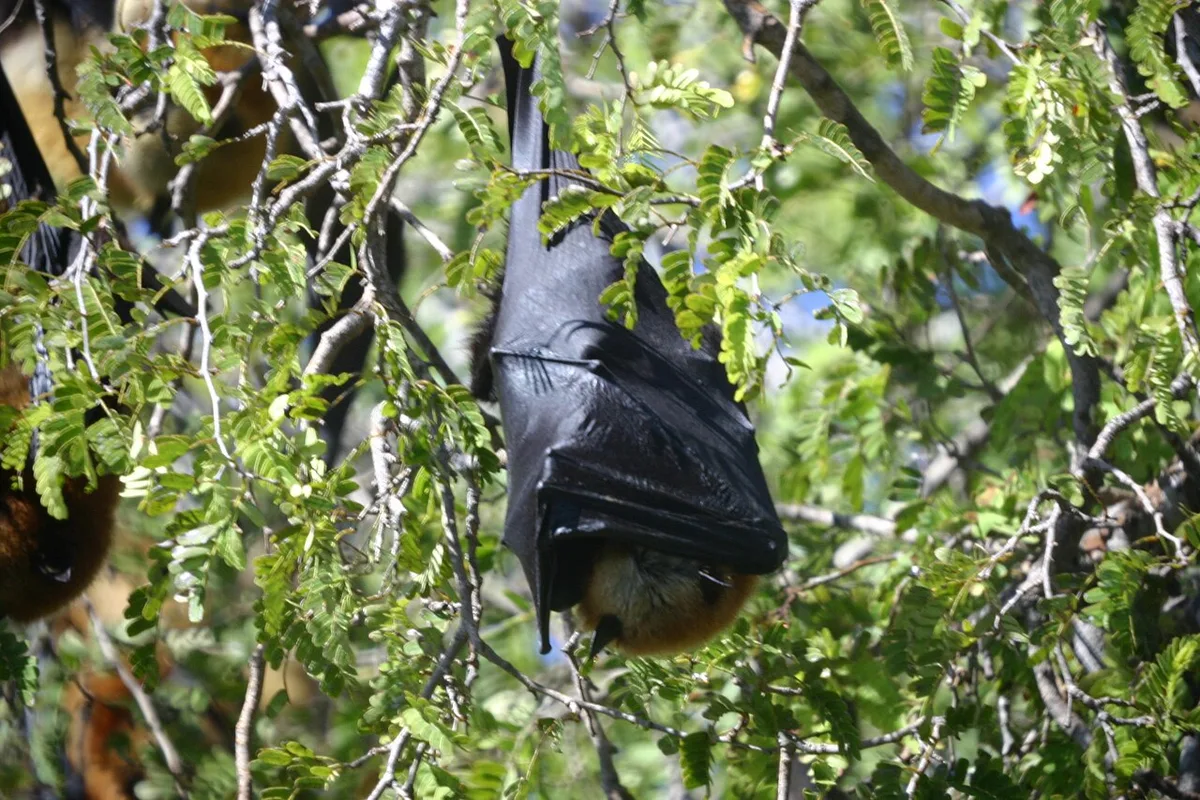
Researchers Emily Cornelius Ruhs and Steven Goodman report in the Oct. 29, 2026 Journal of Mammalogy that Madagascar flying fox skulls collected before the 1980s averaged 3.6 millimeters, about 6 percent, longer than later ones. They measured 12 skull and tooth features on 121 specimens from nine U.S. and European museums spanning more than 150 years and saw a clear size drop starting around 1980. The bats have wingspans up to about five feet. Numbers estimated at 300,000 in the early 2000s are thought to have fallen by two-thirds since. Ruhs said museum holdings looked larger than bats from recent fieldwork and that the biggest bat in the sky might be the easiest target and provide the most meat. Goodman judged older specimens monster size compared with animals handled today and linked the change to heavy hunting pressure and shorter lifespans. Hunting shifted toward commercial markets around 1980; the species is legally vermin or game over fruit-crop damage. The study frames hunting as a leading hypothesis matching that timing, not proof it caused the size drop; climate and habitat changes were also weighed. No left-rated coverage is in the record. The New York Post cast hunters as to blame for the world’s largest bats shrinking.