



Pakistan Workers Face Heat, Brands Miss Safety Pledges
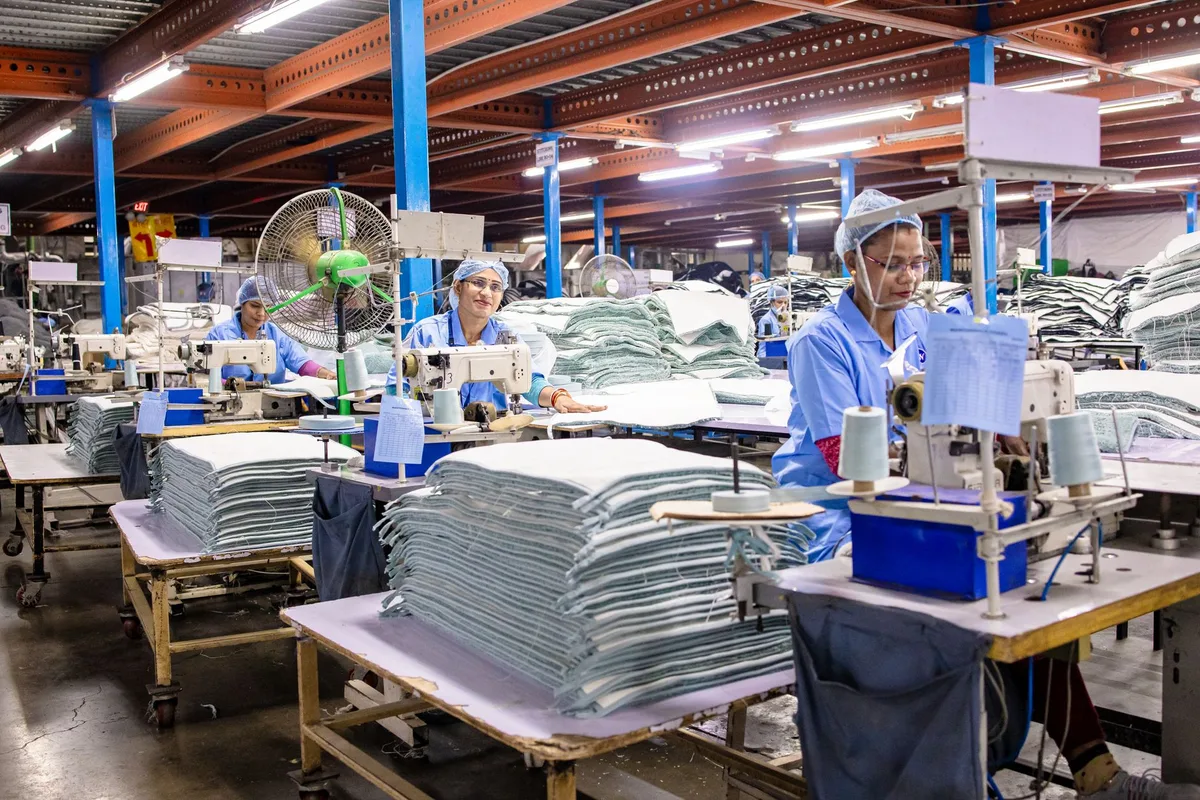
Siddiqui collapsed in a Karachi garment factory after her supervisor said, "Just complete this work." Her vision blurred and heart raced as machines roared. She stitches for Zara and Mango for 15,000 Pakistani rupees ($54) a month and lives with six children in a room without air conditioning where temperatures routinely exceed 37.8 C (100 F). Extreme heat means at least 32.2 C (90 F) plus high humidity. Sent to hospital after fainting, her employer refused to pay. She wept on her home floor. Of her children she said, "Sometimes they eat one meal, sometimes they don't eat a meal." "The older ones have gotten used to it." AP interviewed more than a dozen Karachi workers; ten made products for brands sold in the US and Europe. All but one lost wages after heat illness forced missed work. Only one had paid sick leave. Only one described a ventilation system, run only during auditor visits. A 34-year-old male worker said, "Smoke, heat, you face it," and of the water, "Sometimes it smells like dead rats." Andreas Flouris, FAME Lab founder, said longer heat work raises health risks and "we're talking about some very simple strategies." AP reporting presents brands' safety pledges as unmet. No brand rebuttal or contested claims appear in the available reporting. Supported by the Pulitzer Center; published October 20-21, 2026.