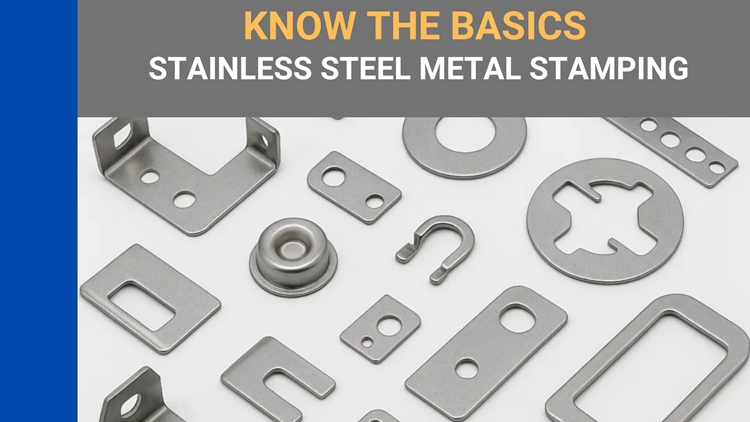
Stainless steel stamping guide aids manufacturers
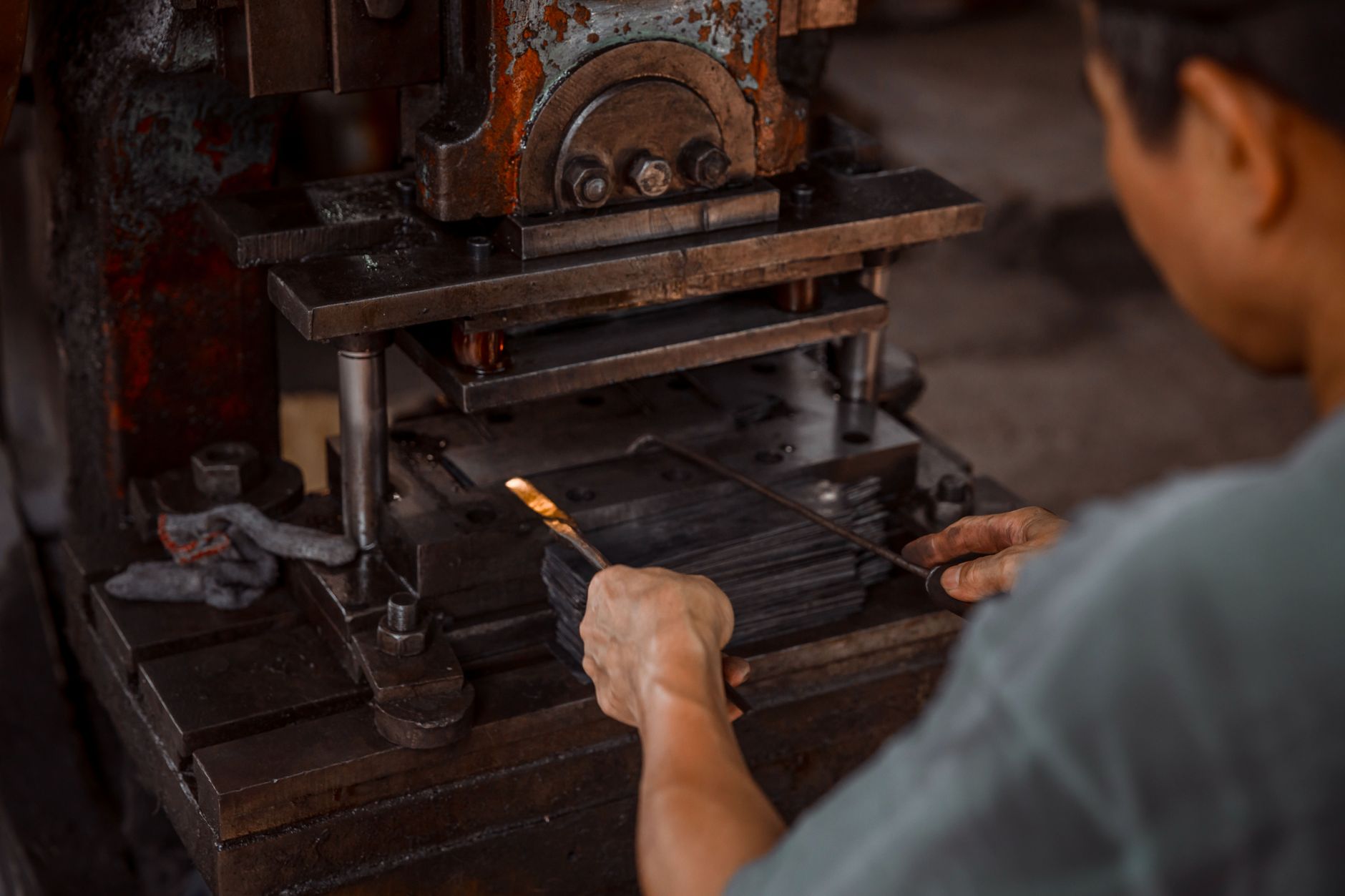
Stainless steel stamping is a fast, precise cold-working process that uses a press and die to deform stainless steel sheets into designed parts, enabling both simple and complex components in production lines. It relies on techniques such as blanking, piercing, drawing, and embossing to produce parts with good dimensional stability and tight tolerances for various industrial applications. The material’s properties—at least 10.5% chromium for corrosion resistance and a density around 7.5 to 8.0 g/cm³ with strong heat resistance—support durable, high-strength parts, though tool wear and springback remain notable drawbacks. The method is praised for its efficiency, cost-effectiveness, and ability to meet diverse part requirements across volumes from small runs to large-scale manufacturing. Practitioners should weigh tool wear and springback against production needs to optimize part quality and lifecycle costs. These articles consistently outline the same core points about process, benefits, and limitations to guide manufacturers considering stainless steel stamping.
How it spread