




Donalds keeps Florida free as first Black GOP governor
Byron Donalds edges David Jolly in a tight race, becoming Florida’s first Black governor and the first Black Republican elected governor in U.S. history while pledging to hold the free-state course.
IJR · Nov 4, 2026 · 4 min read
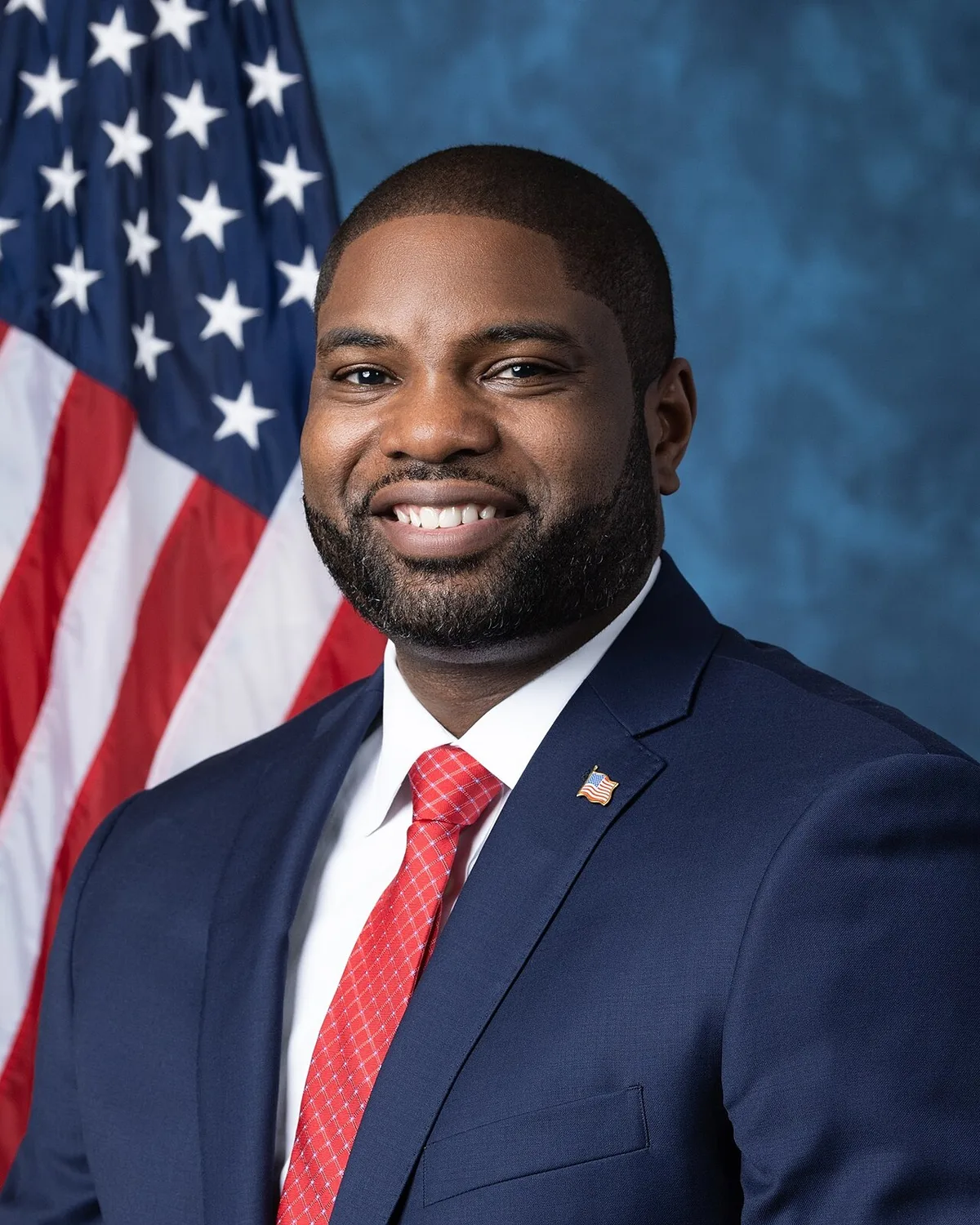
Byron Donalds posted his victory statement on X after the race was called. "I am humbled and grateful beyond measure. As your Governor, I will give you everything I have. We are going to make life in Florida more affordable. We are going to keep our streets safe. We are going to invest in our young people so that they can attain the Florida Dream that all of us love so dearly. Florida is the envy of the nation. I will fight day and night to keep it that way and to lift our state to even greater heights."
He will be Florida’s first Black governor and the first Black Republican elected governor in U.S. history.
When the Associated Press projected the win, Donalds led Democrat David Jolly by less than 2 percent. Preliminary results stood at about 50.1 percent to 48.7 percent with 99 percent of the vote counted. The Fox News Decision Desk made the same call. The contest ran closer than recent statewide results suggested it would. Republicans hold roughly a 1.5 million registered-voter advantage in Florida. Donald Trump carried the state by 13 points in 2024. Ron DeSantis won re-election in 2022 by nearly 20 points. Florida has not elected a Democratic governor since 1994. Donalds will become the state’s fifth consecutive Republican governor.
He raised more than $130 million and won without taking part in a general-election debate. Trump endorsed him in February of the previous year, before Donalds had formally launched. That early backing helped him take nearly half the vote in the August Republican primary, finishing ahead of Lt. Gov. Jay Collins, former House Speaker Paul Renner, and businessman James Fishback.
DeSantis had argued that Donalds played no part in the state’s conservative victories and withheld his endorsement until after the nomination was secured. By September the two appeared together in Tampa. "We have one goal, and that goal is for the free state of Florida to remain the free state of Florida," Donalds said at the event. Continuing and building on the trajectory set under DeSantis formed the core of the general-election case. For taxpayers watching insurance and housing costs, and for parents who want degrees that lead to work rather than debt, that continuity is the concrete stake.
In late September some references to Trump were scrubbed from the Donalds campaign website as the president’s approval ratings declined. Donalds still welcomed the support. Vice President JD Vance held a rally for him in Florida in early October.
Donalds put the race in terms of political economy and the limits of government. "Florida rejects socialism. Full stop. Just ask Floridians who came from Cuba and Venezuela — they’ll tell you. Socialism is now the brand of the Democrat Party. David Jolly and Angela Nixon are too far left for Florida." The reference is not ornamental. Florida has long been home to Cubans and Venezuelans. Their memory is a standing argument for free enterprise, secure title, and constitutional limits on power. Donalds tied Jolly to Democratic Senate candidate Angie Nixon, identified with the Democratic Socialists of America, and treated the association as outside the Florida consensus that has kept the governorship in Republican hands for three decades.
Jolly rejected the charge in plain language. "Byron Donalds is a liar. I’ve condemned socialism in the DSA [Democratic Socialists of America] hundreds of times, and he knows that," he told Fox News. He refused to debate. "You can’t debate a liar," he said when he announced the decision. The choice left Donalds free to campaign as the candidate who would face voters. Donalds held a town hall at Florida A&M University, a historically Black campus, that grew contentious and was repeatedly interrupted, including over his opposition to critical race theory. He appeared. Jolly did not meet him on a debate stage. After the interruptions Donalds said, "We want our children to not only be able to attend one of our universities but also have degrees that will allow them to be economically viable." The line returned the argument to work and earnings rather than ideology.
In the campaign’s final weeks Jolly ran an attack ad that critics said played into a stereotype. It cut from Donalds arguing with a former ally to body-camera footage of a Donalds aide confronting someone. Jolly defended the spot and said Donalds "does not support the Black community."