
Two Scripture Translations Debut After 30-Year Manuscript Study
After more than 30 years of study, PTT Research Group has released English Old and New Testament translations based on Hebrew, Aramaic and Greek manuscripts, including the Dead Sea Scrolls and Peshitta. The editions distinguish themselves by restoring the name YAHUAH and ancient Hebrew names, challenging conventional translation practices.
Science · 5 sources · Oct 21, 2026Read itThe journal
Open the journal →The conversation starts in the journal — be the first to post.
About Dead Sea scrolls
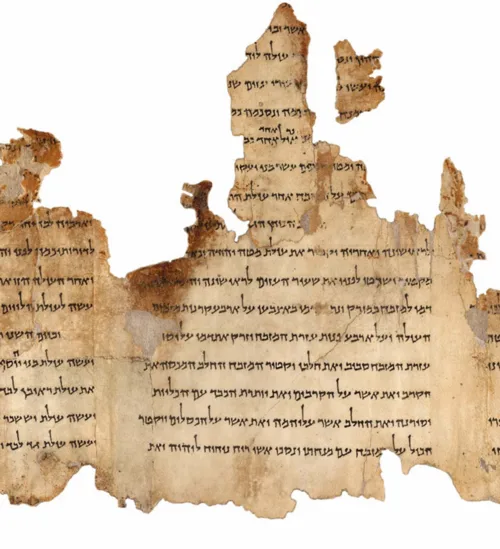
The Dead Sea Scrolls (DSS), which mostly consist of the Qumran Caves Scrolls, are a set of ancient Jewish biblical manuscripts from the Second Temple period. They were discovered over a period of ten years, between 1946 and 1956, at the Qumran Caves near Ein Feshkha in the West Bank, on the northern shore of the Dead Sea and some nearby places. Dating from the 3rd century BCE to the 1st century CE, the Dead Sea Scrolls include the oldest surviving manuscripts of entire books later included in the various Jewish and Christian biblical canons, including deuterocanonical manuscripts from late Second Temple Judaism, as well as extrabiblical books. As such, they cast new light on the emergence of Rabbinic Judaism and of Christianity, and their relationship with Jewish religious traditions. In the wider sense, the Dead Sea Scrolls also include similar findings from elsewhere in the Judaean Desert, and are sometimes called Judaean Desert scrolls. Some of the scrolls found outside Qumran are from later centuries. Almost all of the 15,000 scrolls and scroll fragments are held in the Shrine of the Book at the Israel Museum in Jerusalem.
Everything about Dead Sea scrolls →