Economic policy of the Nicolás Maduro administration.
economics in Venezuela starting in 2013
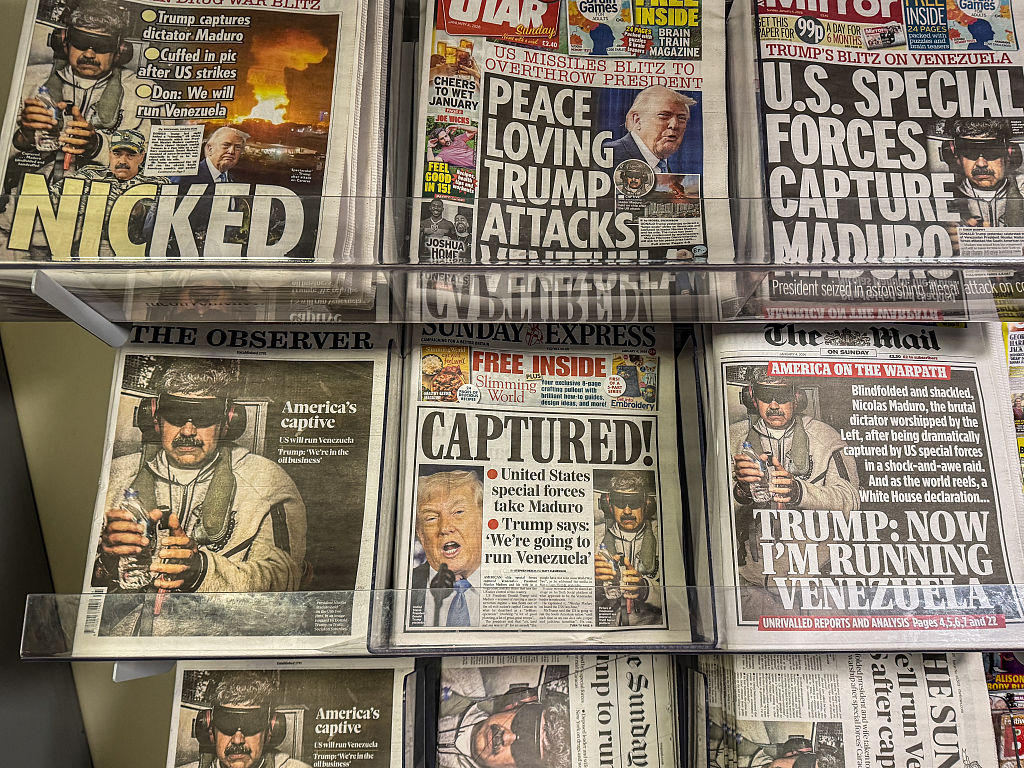
Maduro’s Misery: The Curious Case of Graham Platner’s Position on International Criminals
So here we go again with another example of how some politicians are willing to defend a dictator while painting those who act against him as the real villains. Democrat Graham Platner is taking a swim with the…
Opinion · 1 source · Jan 5, 2026Read it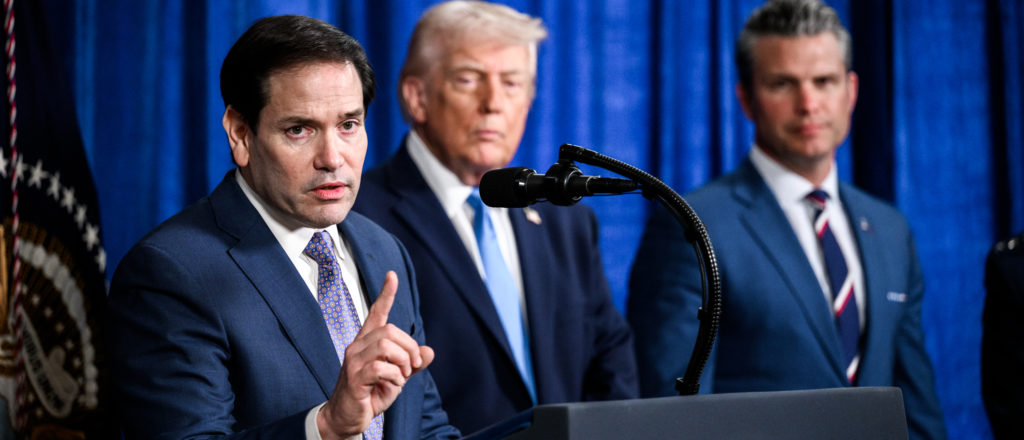
The journal
Open the journal →The conversation starts in the journal — be the first to post.
About Economic policy of the Nicolás Maduro administration
From his election in 2013 until he was captured in early 2026, Nicolás Maduro continued the majority of existing economic policies of his predecessor Hugo Chávez. When entering the presidency, President Maduro's Venezuela faced a high inflation rate and large shortages of goods that was left over from the previous policies of President Chávez. These economic difficulties continue to be a contributing factor to protests in Venezuela. President Maduro has blamed capitalism for speculation that is driving high rates of inflation and creating widespread shortages of staples, and often said he was fighting an "economic war", calling newly enacted economic measures "economic offensives" against political opponents he and loyalists state are behind an international economic conspiracy. However, President Maduro has been criticized for only concentrating on public opinion instead of tending to the practical issues economists have warned the Venezuelan government about or creating any ideas to improve the economic situation in Venezuela such as the "economic war".
Everything about Economic policy of the Nicolás Maduro administration →- Country
- Venezuela