Religious Land Use and Institutionalized Persons Act.
United States federal law
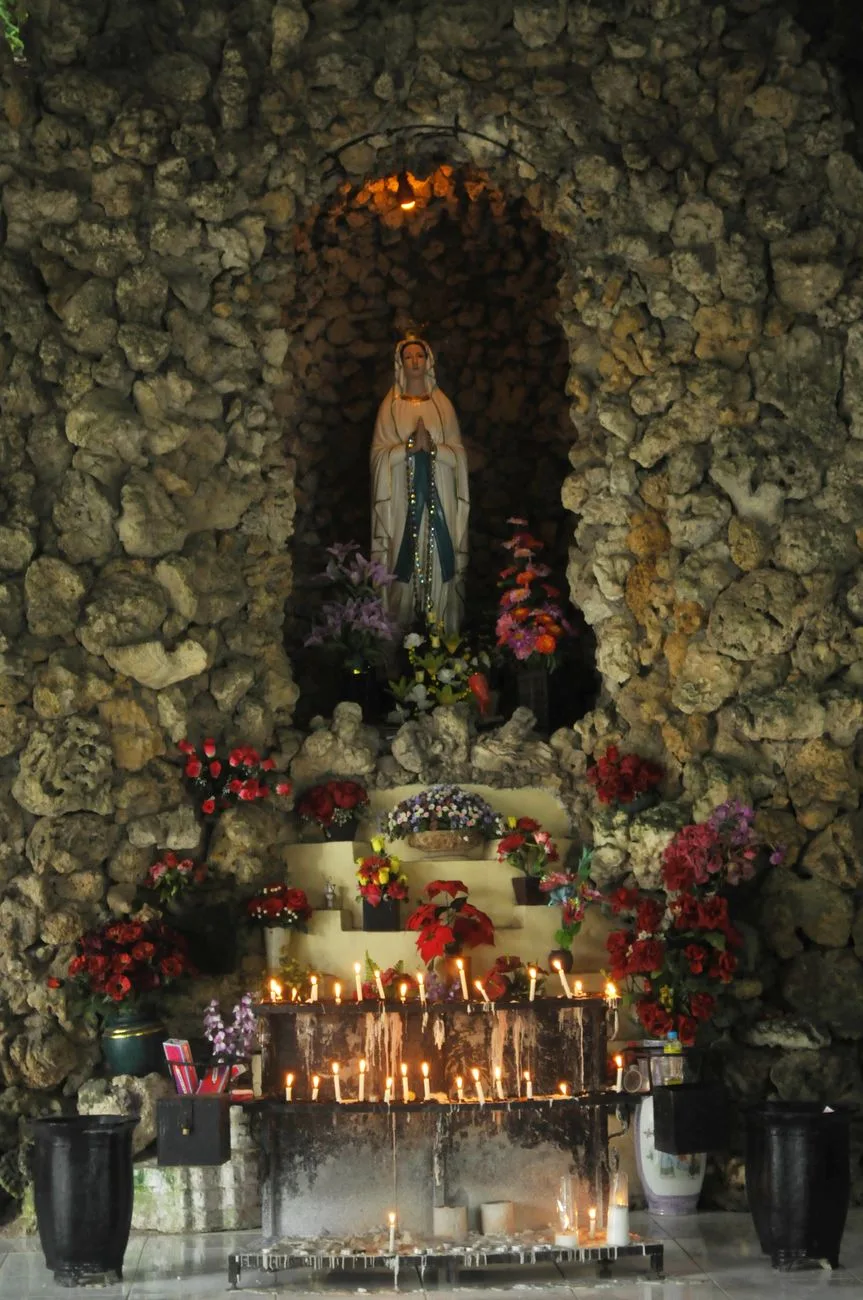
Supreme Court Agrees to Hear Kentucky Shrine Case
The Supreme Court agreed to hear a Kentucky church’s challenge to zoning restrictions that blocked a planned grotto honoring the Virgin Mary, considering whether the decision violated federal protections against land-use rules that substantially burden religious exercise. Neighbors opposed the project over traffic concerns, while the church says lower courts misinterpreted the law.
Politics · 10 sources · 2hRead itThe journal
Open the journal →The conversation starts in the journal — be the first to post.
About Religious Land Use and Institutionalized Persons Act
The Religious Land Use and Institutionalized Persons Act (RLUIPA), Pub. L. 106–274 (text) (PDF), codified as 42 U.S.C. § 2000cc et seq., is a United States federal law that protects individuals, houses of worship, and other religious institutions from discrimination in zoning and landmarking laws. RLUIPA was enacted by the United States Congress in 2000 to correct the problems of the Religious Freedom Restoration Act (RFRA) of 1993. The act was passed in both the House of Representatives and the Senate by unanimous consent in voice votes, meaning that no objection was raised to its passage, so no written vote was taken. The S. 2869 legislation was signed into law by the President Bill Clinton on September 22, 2000.
Everything about Religious Land Use and Institutionalized Persons Act →- Country
- United States
- Website
- https://www.justice.gov/crt/religious-land-use-and-institutionalized-persons-act