scarcity.
fundamental problem of economics where there are limited resources to fulfill society's unlimited wants
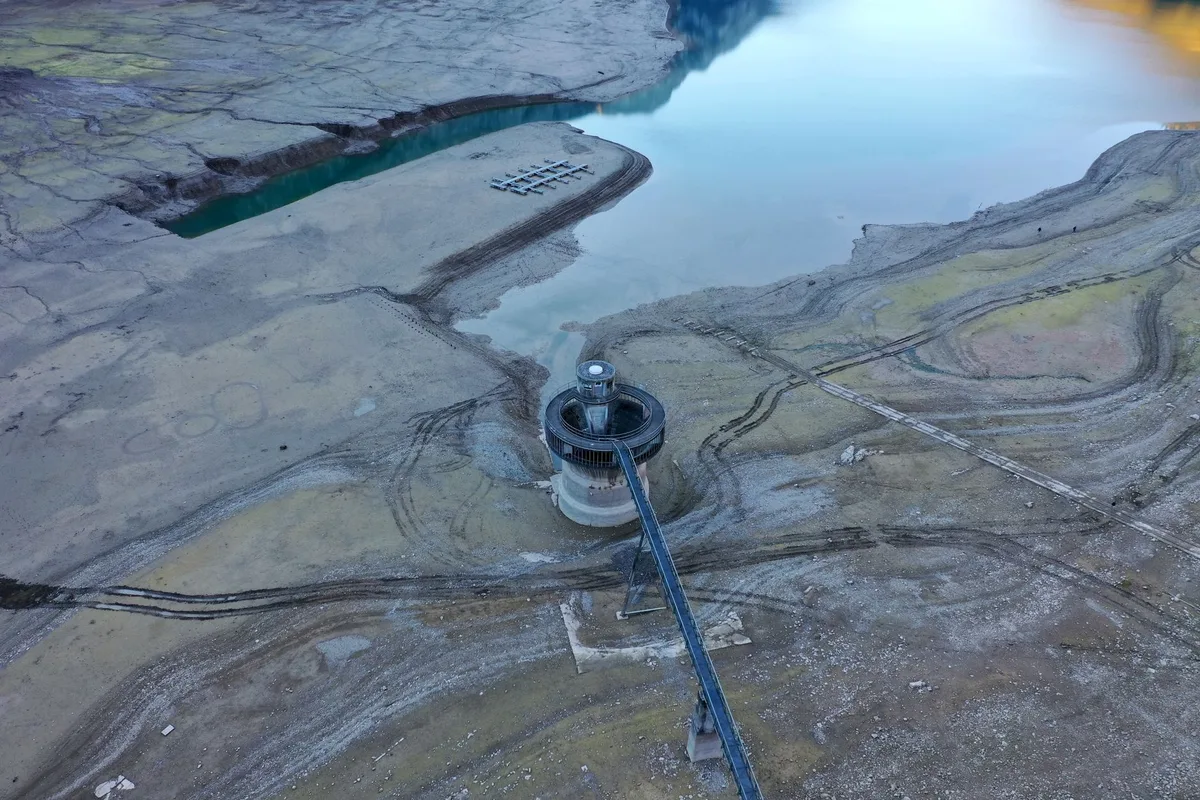
European industrial leaders warn water shortages threaten growth
Schneider Electric's Water Crunch Report: 52% of European industrial leaders expect water to bar growth within five years; 44% say ops would suffer within 24 hours of disruption.
Environment · 6 sources · Oct 20, 2026Read itThe journal
Open the journal →The conversation starts in the journal — be the first to post.
About scarcity
In economics, scarcity refers to the basic fact of life that there exists only a finite amount of human and nonhuman resources which the best technical knowledge is capable of using to produce only limited maximum amounts of each economic good. If the conditions of scarcity did not exist and an "infinite amount of every good could be produced or human wants fully satisfied ... there would be no economic goods, i.e. goods that are relatively scarce..." Scarcity is the limited availability of a commodity, which may be in demand in the market or by the commons. Scarcity also includes an individual's lack of resources to buy commodities. The opposite of scarcity is abundance. Scarcity plays a key role in economic theory, and it is essential for a "proper definition of economics itself"."The best example is perhaps Walras' definition of social wealth, i.e., economic goods. 'By social wealth', says Walras, 'I mean all things, material or immaterial, that are scarce, that is to say, on the one hand, useful to us and, on the other hand, only available to us in limited quantity'."
Everything about scarcity →