Israel Coalition Talks Face Deadlock After Election
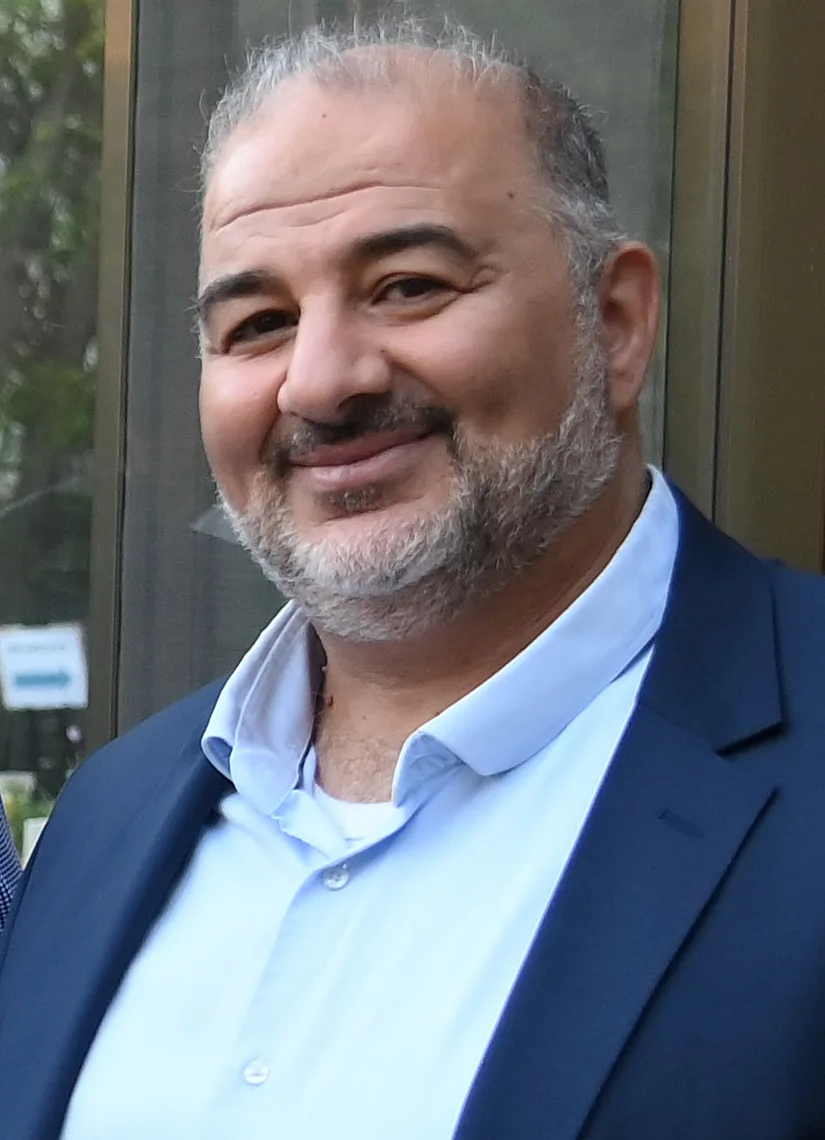
Israel’s final election results gave Benjamin Netanyahu’s bloc 53 seats, the opposition 48 and Arab-led parties a record 19 in the 120-seat Knesset, leaving neither side able to govern without coalition talks. The opposition’s potential route to a majority depends on cooperation with Arab parties, despite resistance from some leaders; Ra’am leader Mansour Abbas said both camps had contacted him and that he was open to considering a viable government led by Gadi Eisenkot. Netanyahu’s government remains caretaker, and failure to form a government could trigger another election early next year. Opposition parties are reportedly preparing to replace Likud’s Amir Ohana as Knesset speaker when the new parliament convenes on November 10, and plan to pursue committee appointments and a state inquiry into the October 7, 2023, Hamas-led attack. The opposition is also weighing direct prime-ministerial elections, which would require a Basic Law amendment and support from at least 61 lawmakers, while demonstrations are planned to urge leaders to form a government based on Jewish-Arab cooperation.
Where do you stand?