Career
Kapadia's first feature film, The Warrior, was shot in the Himalayas and the deserts of Rajasthan. The film caught the attention of The Arts Foundation, who in 2001 awarded him a fellowship in film directing. Peter Bradshaw in The Guardian described The Warrior as possessing "mighty breadth" and "shimmering beauty"; the film was nominated for three BAFTA awards, winning two: the Alexander Korda Award for the outstanding British Film of the Year 2003 and The Carl Foreman Award for Special Achievement by a Director, Screenwriter or Producer in their First Feature.
Far North premiered at the Venice Film Festival, based on a dark short story by Sara Maitland. Kapadia used the brutal arctic landscape to show how desperation and loneliness drives a woman to harm the person she loves.
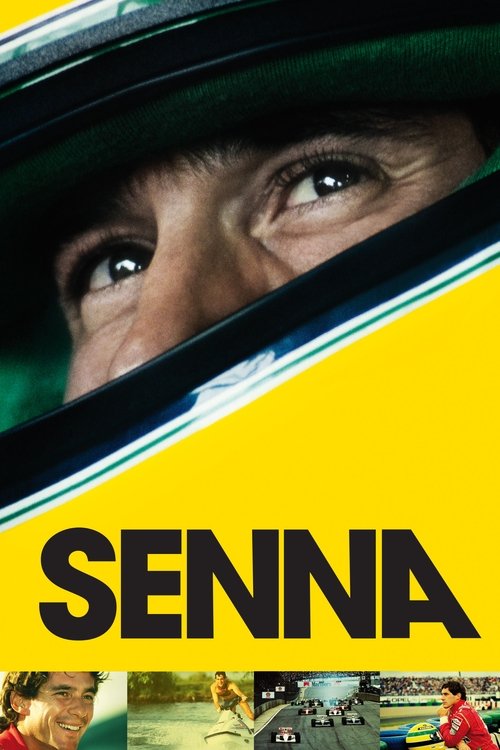
Kapadia's fourth feature, Senna, was the life story of Brazilian motor-racing champion, Ayrton Senna. The film won the BAFTA Award for Best Documentary, the BAFTA Award for Best Editing, and the World Cinema Audience Award Documentary at the 2011 Sundance Film Festival. Senna was nominated for Outstanding British Film of the Year.
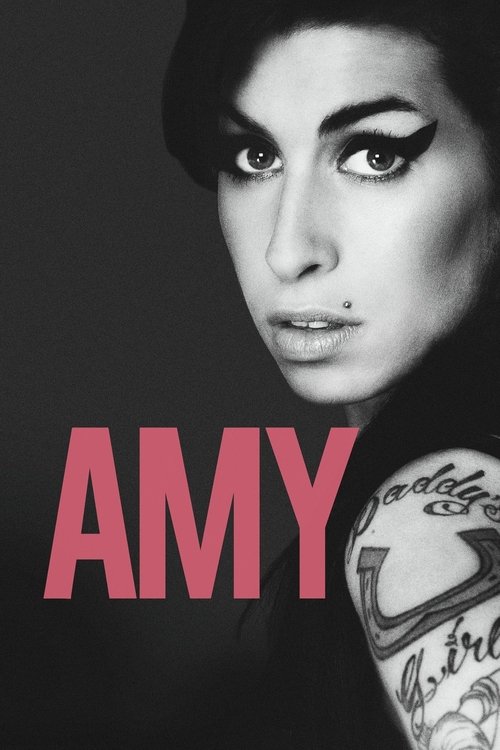
Kapadia's next film, Amy, was a documentary that depicted the life and death of British singer-songwriter Amy Winehouse. Amy was released on 3 July 2015 in the UK, New York, and Los Angeles, and worldwide on 10 July. The film has been described as "heartbreaking", "awe-inspiring", "unmissable", "the best documentary of the year" and "a tragic masterpiece". The film received five out of five star ratings when it was reviewed at the 2015 Cannes Film Festival in May. The film has become the highest grossing British documentary, and second highest grossing documentary of all time in the United Kingdom, overtaking Kapadia's 2010 movie Senna.
In 2018, a documentary film titled Maradona, based on Argentine football legend Diego Maradona, was released. Following on from Senna and Amy, Kapadia said "Maradona is the third part of a trilogy about child geniuses and fame".
In 2019, Kapadia was awarded as Honorary Associate of London Film School.
In May 2021, he released the musical docuseries 1971: The Year That Music Changed Everything, based on the book 1971 – Never a Dull Moment: Rock's Golden Year, by the British music journalist David Hepworth.
In 2024, Kapadia's 2073 was released. The film is a science fiction docudrama set in a dystopian future, exploring the subjects of climate change, corporate fascism, and the global erosion of democracy through the rise of fascism, fictionally depicting a future where these forces are allowed to continue unchecked. Through the creation of the film, Kapadia drew parallels to the Trump administration, stating the following: "Trump has been explicit about getting revenge on people. And now you have some of the richest and most powerful people in the world who became so through the collection of data. They're now in power with someone who said, ‘I'm going to be a dictator’. It's like Covid. When it happened in certain parts of the world, people kept thinking, we’re immune to it. It’s never going to happen. And it came and it rolled its way around the whole globe".
In April 2026, it was announced that ITV had commissioned Kapadia to direct the final instalment in the documentary series Up, following the death of creator and director Michael Apted in 2021. The film is due to air later in 2026.