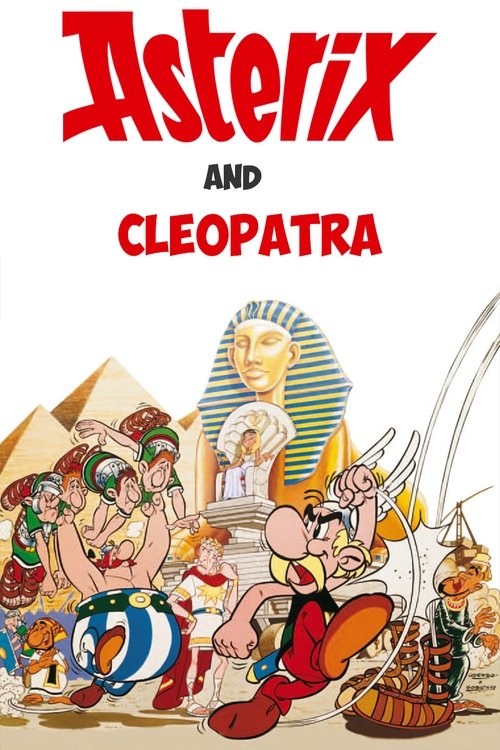
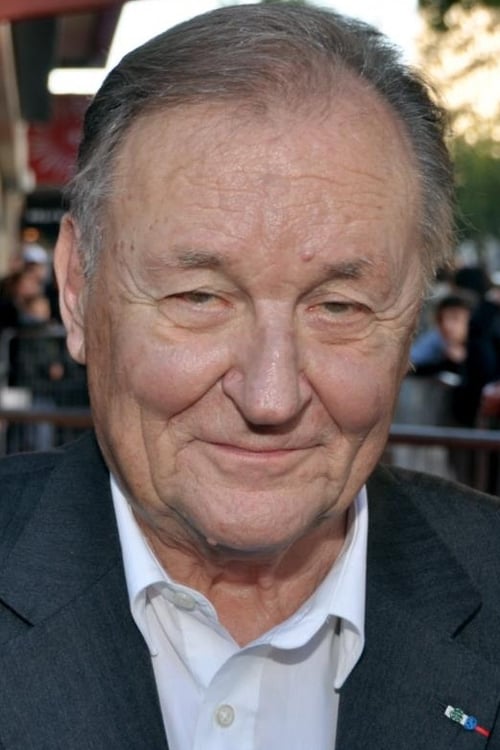
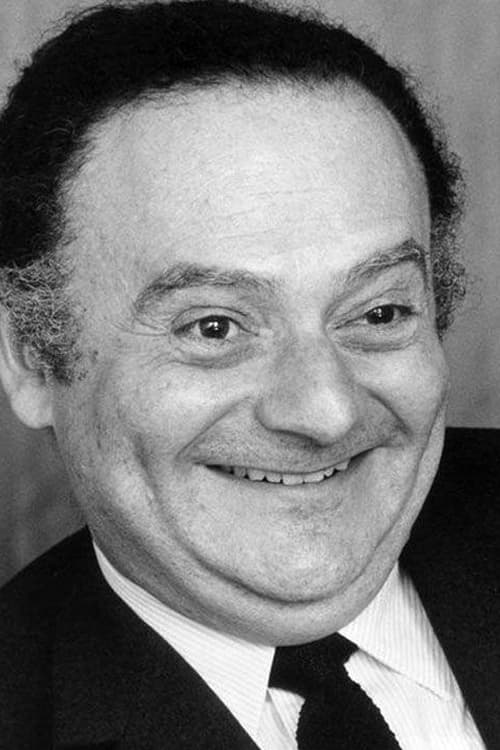








Asterix and Cleopatra (French: Astérix et Cléopâtre) is a 1968 Belgian–French animated comedy film; it is the second Asterix adventure to be made into a feature film. Overseen by Asterix creators Rene Goscinny and Albert Uderzo (who had no involvement in the production of the first film, Asterix the Gaul and in their director debuts), the film is noticeably more well-produced than its predecessor, featuring far more detailed animation and a more polished soundtrack.
Asterix and Cleopatra is practically a musical, featuring three individual song sequences and a more varied score than the earlier film. Elements of satire and surreal humour (such as Cleopatra's singing lion and the engraving of Santa Claus on the pyramid wall) are prominent throughout.
Contents
Plot
After a heated argument with Julius Caesar over his lack of faith in the Egyptian people, Queen Cleopatra enters into a bet claiming she can have a magnificent palace constructed for him in Alexandria within three months. She gives this task to her best architect Numerobis, informing him he'll be covered with gold if he succeeds or thrown to the crocodiles if he fails. Daunted and distraught, believing the task to be insurmountable without some sort of magic, Numerobis travels to Gaul to seek help from the famous druid Panoramix.
Panoramix returns to Egypt with Numerobis accompanied by Asterix, and Obelix who insists Idefix join the voyage against objections from Asterix. Numerobis' encounters a pirate ship, which is boarded by Asterix and Obelix, then scuttled after a one-sided fight. In Egypt it becomes clear Numerobis isn't a gifted architect. His scheming rival Amonbofis proposes they collaborate to build Caesar's palace on time and divide the reward. Numerobis refuses and Amonbofis swears vengeance, angered further by the injuries he sustains while negotiating Numerobis' poorly built house which later collapses.


