Highway Patrol
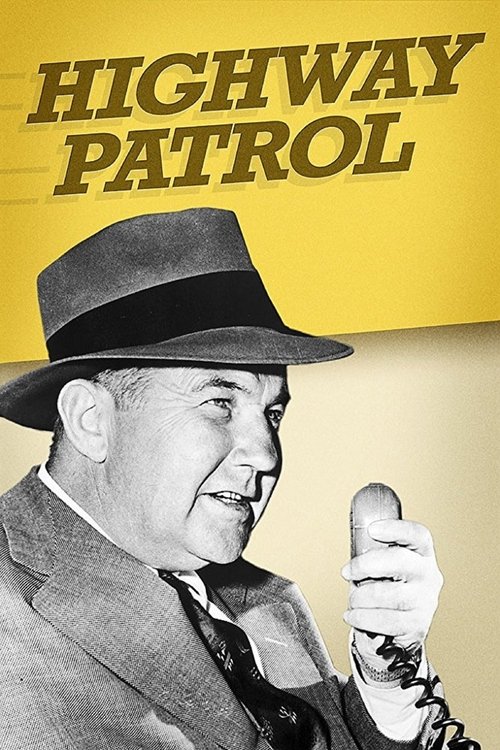
In 1955, television producer Frederick Ziv of ZIV Television Productions offered Crawford the lead role in the police drama Highway Patrol, which dramatized law enforcement activities of the California Highway Patrol (CHP). ZIV operated on a low budget of $25,000 per episode, with ten percent of gross receipts going to Crawford. While the show's scripts were largely fictional, the use of realistic, rapid-fire dialogue, stark film noir style and Crawford's convincing portrayal of a hard-as-nails police officer made the show an instant success. Highway Patrol remained popular during its four years (1955–1959) of first-run syndication, and continued in rerun syndication across the United States for many years. From 1955 until 1965, most of Crawford's television roles were for ZIV, which was one of the few producers willing to accept the challenges of working with the hard-living and alcoholic Crawford. Years later, Frederick Ziv said, "To be honest, Broderick could be a handful!"
Highway Patrol revived Crawford's career and cemented his tough-guy persona, which he used successfully in numerous roles for the rest of his life.
During the series' run he was in three significant films: The Fastest Gun Alive (1956) for director Russell Rouse at MGM, Between Heaven and Hell (1956) with Robert Wagner at Fox, directed by Richard Fleischer, and The Decks Ran Red (1958) with James Mason for Andrew L. Stone.
Fed up with its hectic shooting schedule, Crawford quit Highway Patrol at the end of 1959 to make a film in Spain.
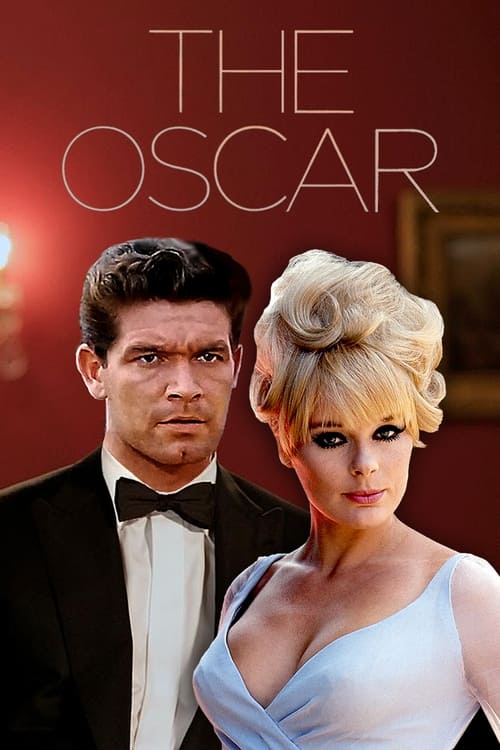
Crawford's successful run on Highway Patrol earned him two million dollars, and he re-signed with ZIV for King of Diamonds. Having temporarily stopped drinking, Crawford played the starring role as diamond industry security chief John King. King of Diamonds was picked up for syndication in 1961, but lasted only one season, after which Crawford returned to motion pictures, most notably in The Oscar (1966) and The Texican (1966).