


.jpg?width=400)
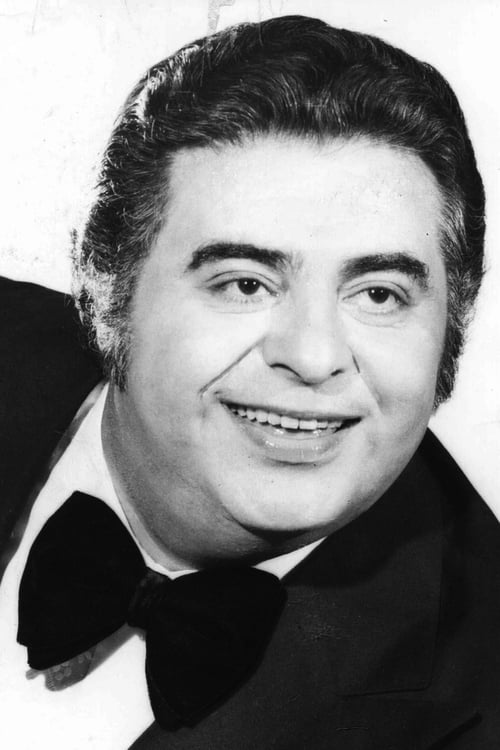
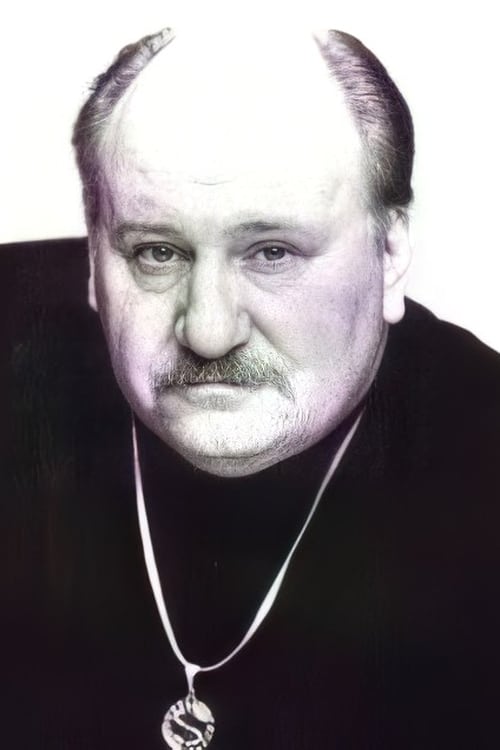


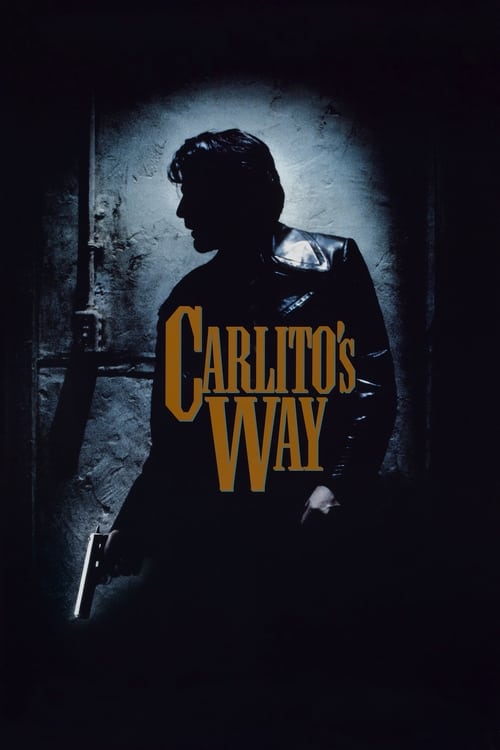
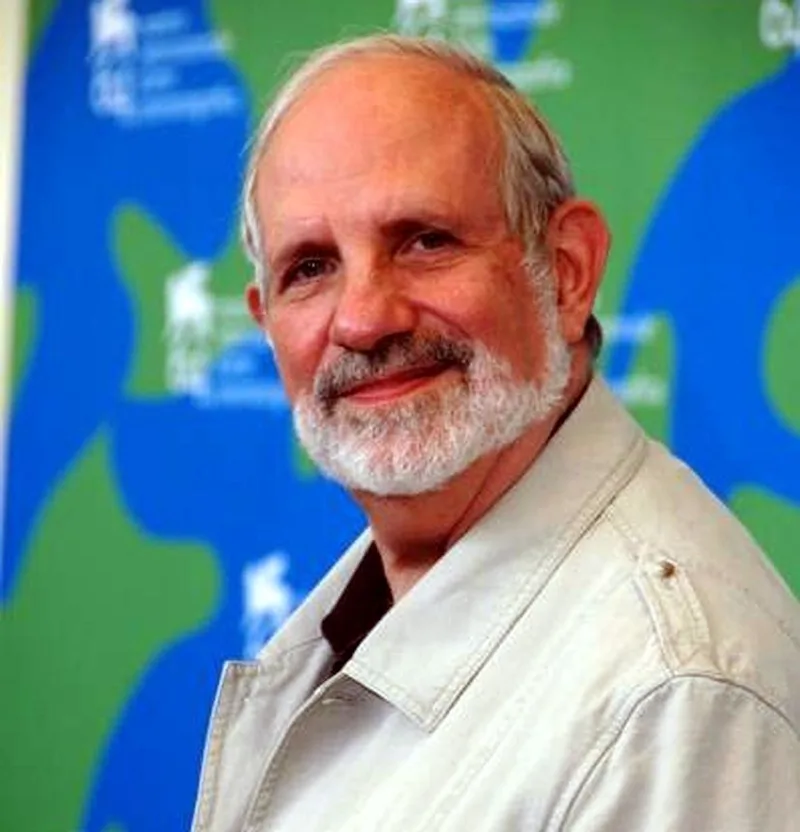
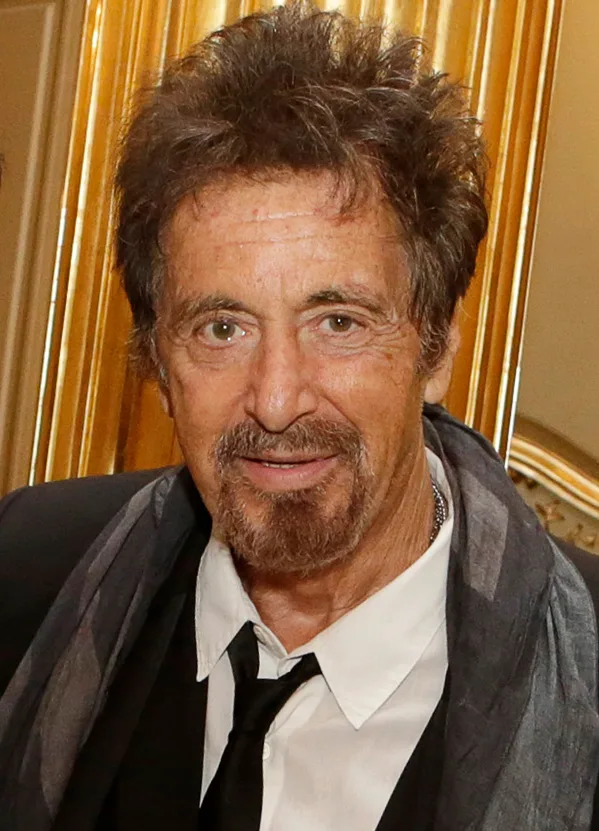
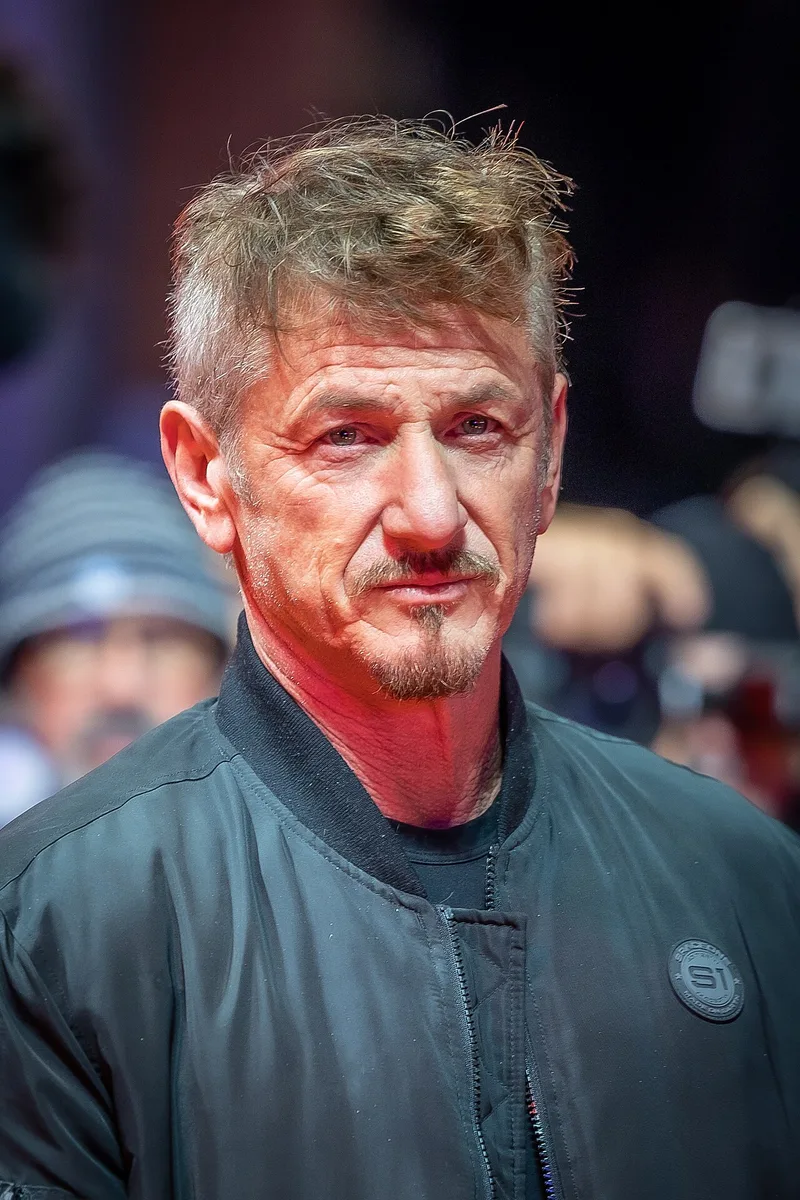
Carlito's Way is a 1993 American crime drama film directed by Brian De Palma and written by David Koepp, based on the novels Carlito's Way (1975) and After Hours (1979) by Judge Edwin Torres. It stars Al Pacino, Sean Penn, Penelope Ann Miller, Luis Guzman, John Leguizamo, Jorge Porcel, Joseph Siravo and Viggo Mortensen.
Pacino portrays Carlito Brigante, a Nuyorican criminal who vows to go straight and to retire in Paradise. However, his criminal past proves difficult to escape, and he is unwillingly dragged into the same activities that got him imprisoned in the first place. The film is based mainly on After Hours, but it used the title of the first novel to avoid it being confused with Martin Scorsese's 1985 film. This is the second film collaboration with Pacino and De Palma, after Scarface (1983).
Carlito's Way was released on November 12, 1993, by Universal Pictures. It initially received mixed reviews from critics and lukewarm results at the box office, although general reception to the film has improved in subsequent years. The film has gained a strong cult following, and it is generally considered to be one of De Palma's most enduring films. Both Penn and Miller received Golden Globe nominations for their performances. A prequel titled Carlito's Way: Rise to Power, based on the first novel, was released direct-to-video in 2005.
Contents
Plot
In 1975 in New York City, after having served five years of a thirty-year prison sentence, career criminal, Carlito Brigante, is freed on a legal technicality that has been exploited by his lawyer, and close friend, Dave Kleinfeld. Carlito vows to end his unlawful activities, but is persuaded to accompany his young cousin, Guajiro, to a drug deal at an illegal speakeasy. Guajiro's suppliers betray and kill him, forcing Carlito to shoot his way out. Carlito takes Guajiro's $30,000 from the botched deal and uses it to buy a stake in a nightclub that is owned by a gambling addict named Reinaldo Saso, intending to save $75,000 to retire to the Caribbean.
Carlito declines several offers for a business partnership with a hot-headed young gangster from the Bronx named Benny Blanco. Carlito also rekindles his romance with his former girlfriend Gail, a ballet dancer who moonlights as a stripper. Kleinfeld develops a love interest with Benny's girlfriend Steffie, a waitress at the club. Benny's frustration with Carlito's rejections comes to a head, and he confronts Carlito at his table. Carlito publicly humiliates Benny, who reacts by manhandling Steffie. Fueled by his now-extensive use of alcohol and cocaine, Kleinfeld brazenly pulls out a gun and threatens to kill Benny, but Carlito intervenes. Despite being personally threatened by Benny, Carlito lets him go unharmed, a decision that alienates him from his friend and bodyguard Pachanga.
Kleinfeld, who stole $1 million in a payoff from his client, Mafia boss Anthony "Tony T" Taglialucci, is coerced into providing his yacht to help Taglialucci break out of the Rikers Island prison barge. Kleinfeld begs for Carlito's assistance in the prison break, and Carlito reluctantly agrees. That night, Carlito, Kleinfeld and Taglialucci's son Frankie sail to a floating buoy outside of the barge where Taglialucci is waiting. As they pull Taglialucci aboard, Kleinfeld kills him and Frankie, then dumps their bodies in the East River, claiming to Carlito that the two would have killed him. Realizing that mob retaliation is imminent, Carlito severs his ties with Kleinfeld and decides to leave town with Gail. The next day, Kleinfeld is hospitalized after a mob hitman stabs him several times.
The police apprehend Carlito and take him to the office of District Attorney Bill Norwalk, where he learns that Kleinfeld has already agreed to perjure himself should Carlito be tried again. Despite being threatened with charges of being an accomplice to the Taglialucci murders, Carlito refuses to betray Kleinfeld. In the hospital, Carlito visits Kleinfeld, who confesses to selling him out. Having noticed a suspicious man dressed in a police uniform waiting in the lobby, Carlito secretly unloads Kleinfeld's revolver and leaves. The man is Taglialucci's other son Vinnie seeking vengeance for his brother and father. After sending away the real officer who is standing guard, Vinnie enters Kleinfeld's room. Kleinfeld tries to defend himself but his revolver is empty, and he gets shot to death.
Cast
Al Pacino as Carlito Brigante (called "Charlie" by Gail). Pacino came to Carlito's Way directly from his Academy Award-winning role in Scent of a Woman. To get into the character, he accompanied Edwin Torres through East Harlem to absorb the sights and atmosphere. Pacino first envisioned Carlito with a ponytail, but after visiting Harlem, he quickly realized that such a hairstyle was uncommon among the local men. The beard was Pacino's idea. The black leather coat fit into the period setting.
Sean Penn as Dave Kleinfeld. For the pivotal role of Carlito's sleazy lawyer and best friend, Penn was lured back from early retirement by the challenge of playing the corrupt lawyer. Taking the role meant that he could finance his movie The Crossing Guard and work with Pacino. De Palma and Penn discussed what 1970s mob lawyers looked like. Penn shaved the hair on the front of his forehead to give the appearance of a receding hairline. He permed the rest. Alan Dershowitz, believing that Penn was attempting to look like him, threatened the filmmakers with a defamation lawsuit.
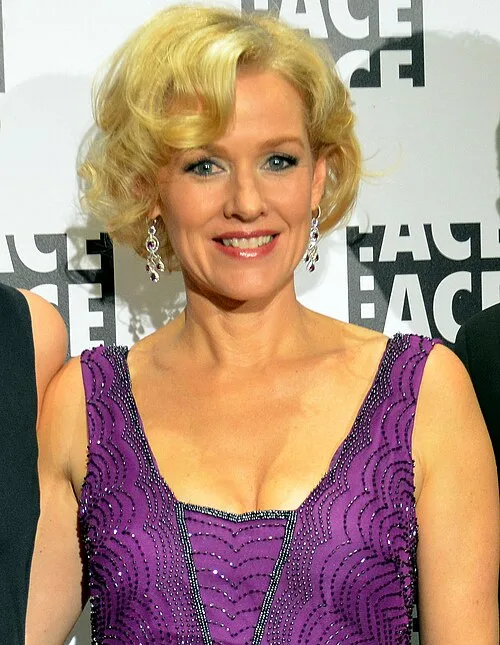
Penelope Ann Miller as Gail. Casting for Gail proved difficult because of the character's striptease scenes. The character needed someone who was both a talented dancer and actor.
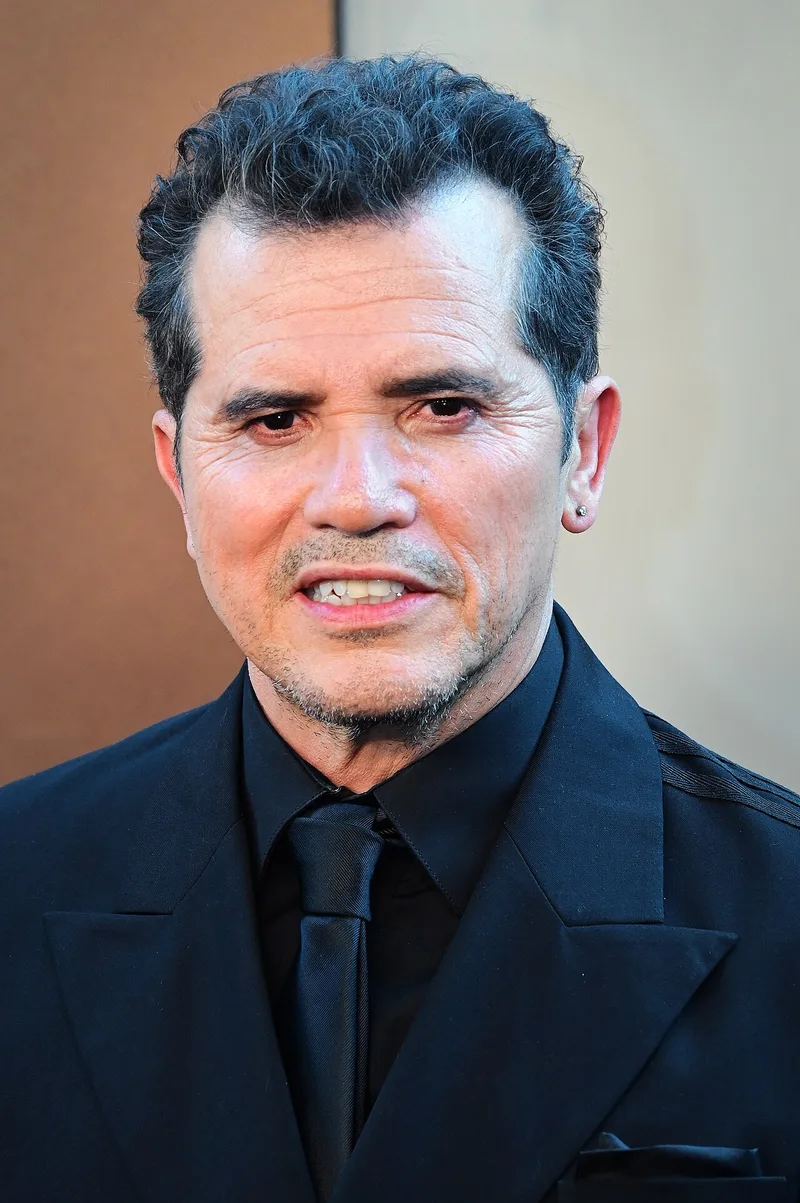
John Leguizamo as Benny Blanco, "from the Bronx", an up-and-coming gangster who is determined to exceed Carlito's reputation but lacks any sense of ethics.
Luis Guzmán as Pachanga. In David Koepp's first draft of the screenplay, Pachanga spoke in a very heavy slang style. Following rumbles from the Latino cast and crew, Koepp toned this down.
James Rebhorn as District Attorney Bill Norwalk
Viggo Mortensen as Lalin Miasso
Richard Foronjy as Pete Amadesso
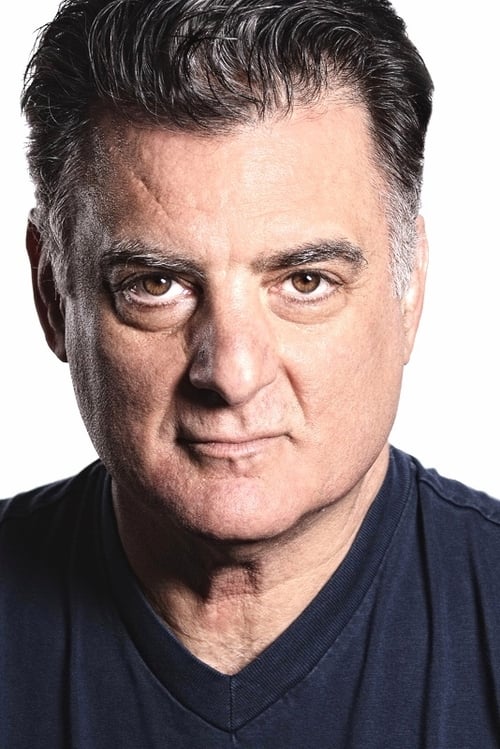
Joseph Siravo as Vincent "Vinnie" Taglialucci, son of Tony T
Adrian Pasdar as Frank "Frankie" Taglialucci, son of Tony T
Production
Al Pacino first heard about the character Carlito Brigante in a YMCA gym in New York City in 1973. Pacino was doing physical training for his movie Serpico when he met New York State Supreme Court Judge Edwin Torres, the author writing the novels Carlito's Way and After Hours. When the novels were completed, Pacino read them and liked them, especially the character of Carlito.
Inspiration for the novels came from Torres' background: the East Harlem barrio where he was born and its atmosphere of gangs, drugs and poverty. In 1989, Pacino faced a $6 million lawsuit from film producer Elliott Kastner, who claimed that Pacino had reneged on an agreement to star in his version of a Carlito movie with Marlon Brando as criminal lawyer David Kleinfeld. The suit was dropped, and the project was abandoned.
Pacino went to producer Martin Bregman with the intention of getting a Carlito Brigante film made, and showed him an early draft of a screenplay. Bregman rejected the screenplay, but both Bregman and Pacino agreed that the character of Carlito would provide a suitable showcase for Pacino's talents. Bregman approached screenwriter David Koepp, who had just finished writing the script for Bregman's forthcoming film The Shadow, and asked him to write the script for Carlito's Way. It was decided that the screenplay would be based on the second novel After Hours. At that stage in his life, Carlito would be closer to Pacino's age. Although based primarily on the second novel, the title Carlito's Way remained, mainly due to the existence of Martin Scorsese's 1985 film After Hours. Bregman worked closely with Koepp for two years to develop the shooting script for Carlito's Way.
Koepp wrestled with the voice-over throughout the writing process. Initially, the voice-over was to take place in the hospital, but De Palma suggested the train station platform. The hospital scenes were rewritten 25 to 30 times because the actors had trouble with the sequence, with Pacino thinking that Carlito would not even go to the hospital. With one final rewrite, Koepp managed to make the scene work to Pacino's satisfaction. Kleinfeld does not die in the novels, but De Palma has a strong sense of justice and retribution — he could not stand to see Carlito killed and let Kleinfeld live.
At one point, The Long Good Friday director John Mackenzie was linked to the film. When Carlito's Way and its sequel After Hours were optioned, Martin Bregman had Abel Ferrara in mind to direct. When Bregman and Ferrara parted ways, De Palma was recruited. Bregman explained that this decision was not about "getting the old team back together," but rather making use of the best talent available. De Palma reluctantly read the script, but when Spanish-speaking characters became evident, he feared that it would be Scarface again. De Palma said that he did not want to make another Spanish-speaking gangster film.
Reception
Carlito's Way wrapped production on July 20, 1993, and was released on November 3, 1993. Opening weekend box office ticket sales totaled over $9 million. At the end of its theatrical run, the film had grossed more than $37 million in the United States and Canada, and $27 million overseas, for a total of $64 million.
Critical response to the theatrical release was somewhat lukewarm. The film was criticized for retreading old ground, mainly in regard to De Palma's earlier films Scarface and The Untouchables.
The film has an approval rating of 84% on Rotten Tomatoes, based on 51 reviews. The site's consensus states: "Carlito's Way reunites De Palma and Pacino for a more wistful take on the crime epic, delivering a stylish thriller with a beating heart beneath its pyrotechnic performances and set pieces." On Metacritic, the film holds a weighted average score of 66/100 based on 25 critics, indicating "generally favorable" reviews. Audiences polled by CinemaScore gave the film an average grade of "B+" on an A+ to F scale.
Roger Ebert of the Chicago Sun-Times stated in his review that the film was one of De Palma's finest, with some of the best set pieces he had done. On the syndicated At the Movies television show, Ebert gave the film a thumbs up, while Gene Siskel of the Chicago Tribune gave it a thumbs down.
Peter Travers of Rolling Stone criticized the film for Pacino's "Rican" accent that slips into his "Southern drawl from Scent of a Woman," De Palma's "erratic pacing and derivative shootouts," and wondered "what might have been if Carlito's Way had forged new ground and not gone down smokin' in the shadow of Scarface."
Owen Gleiberman of Entertainment Weekly described the film as "a competent and solidly unsurprising urban-underworld thriller," and as "okay entertainment," but went on to say that the plot would have worked better "as a lean-and-mean Miami Vice episode."
Patrick Doyle was praised for his film score, which was described as "elegiac" and "hauntingly beautiful," and was said to display Doyle as "one of the major talents of modern film scoring."
Music
Patrick Doyle composed the original score, while musical supervisor Jellybean Benitez supplemented the soundtrack with elements of salsa, merengue and other authentic styles.
Releases
The film was released on VHS and LaserDisc in fullscreen and widescreen versions. For the LaserDisc version, this would be a THX certified release. It was eventually released on DVD in 2004, with an Ultimate Edition in 2005. The Ultimate Edition DVD includes deleted scenes, an interview with De Palma, a "making-of" documentary, and more. In 2007, an HD DVD version was released that features the same bonus material as the Ultimate Edition. The film was released on Blu-ray on May 18, 2010.
Prequel
A prequel based on Edwin Torres' first novel was released direct-to-video in 2005, with the title Carlito's Way: Rise to Power. Critically panned, the film nevertheless received Torres' blessing as an accurate adaptation of the first novel.