María Cristina De Giacomi (born 23 August 1956), professionally known as Cris Morena, is an Argentine Award-winning television producer, actress, television presenter, composer, musician, songwriter, writer, former fashion model and CEO of Cris Morena Group.
She is one of the most successful producers in the country and is the creator of Argentina's most successful youth-oriented shows such as Jugate Conmigo, Chiquititas, Rebelde Way, Floricienta, Alma Pirata, and Casi Ángeles. She was a producer at Telefe from 1991 to 2001, then created the Cris Morena Group as an independent production company, with Rebelde Way (2002) as its first production. Morena is the mother of actress Romina Yan and of producer and director Tomás Yankelevich.
After a long break from the industry, Cris Morena announced two new projects for streaming service Max: Te quiero y me duele (2023), inspired by a song for her deceased daughter, Romina and Margarita, a spin-off of Floricienta.
Contents
Early life and career
Morena was born María Cristina De Giacomi in Buenos Aires, Argentina. She is the youngest of four siblings and grew up in Palermo, Buenos Aires neighborhood with her upper-class family. Her father was an engineer and her mother was a sociologist. She studied at a traditional private religious school. When she was 17, she started working as a fashion model and became the popular face for Lee Jeans in the country. While she was modeling, she also studied social assistance in university and militated alongside Padre Carlos Mugica during the dictatorship in Argentina.
When she was 17 years old, she was selected to host the youth-oriented show Voltop. While working on the program, she met Gustavo Yankelevich, which was part of the staff, and they fell in love. In 1974, Morena and Gustavo married and, after giving birth to Romina and Tomás, Morena decided to retire so she could fully dedicate herself to her family. After a few years, however, she returned to work when her husband was unable to find a job due to discriminating policies against Jews implemented by the Argentine dictatorship. She soon got a job at a telenovela called Dulce Fugitiva in 1979 playing Laura Moreno. Afterwards, she decided to adopt Laura's last name as her artistic name and became Cris Morena.
In 1980 Morena, who was already a pianist and wrote poems as a hobby, decided to start writing music. To this day she is one of the most successful songwriters in Argentina and the one who has made most money in copyrights and albums sales in SADAIC's history (Argentina's songwriters association) alongside her former songwriting partner Carlos Nilson (the two parted ways in 2007). In 1984, she was one of the stars of iconic comedy show Mesa de Noticias. From 1990 to 1991, she also had a starring role in Amigos son los Amigos. Morena retired as an actress after starring in the telenovela Quereme in 1994. In 1995, she also retired as a host and as a TV personality and became a full-time producer and songwriter. In a talk for TEA Imagen students, she revealed she believed her successful past in acting was due to her charisma, not her acting skills since, in her opinion, she was never a particularly good actress.
Until 1991, she was mostly known as an actress due to her role in iconic comedy shows such as Mesa de Noticias and Amigos son los Amigos and as a songwriter, thanks to the hits she wrote for children show host Flavia Palmiero alongside Carlos Nilson. In 1991, she made her debut as a powerful name in TV production when she created, presented and produced Jugate Conmigo. She went on to create the biggest youth-oriented franchises in Argentina history and her shows, such as Chiquititas, Rebelde Way and Floricienta, attracted huge ratings all over the world and spawned hundreds of products, albums and live concerts. Even though most of her shows were heavily panned by critics, most of them were huge commercial successes and had huge repercussion not only in Argentina but also in several other countries such as Brazil, Greece, Israel, Spain, Uruguay, Mexico and Chile.
Family
Morena married Gustavo Yankelevich in December 1974. Her husband became the producer of some of the biggest hits in the country, including Mesa de Noticias, and, in 1989, he became director of Telefe and, under his leadership, the channel became Argentina's most-watched TV channel. He was directly or indirectly responsible for some of Argentina's biggest television shows including Susana Giménez, Showmatch, among many others. He left the channel in 1999 and, in the following year, founded his own production company, RGB Entertainment. In 2002, so she could produce Rebelde Way, Morena also founded her own company, Cris Morena Group. From Floricienta in 2004 until Casi Angeles in 2010, RGB was a co-producer of all CMG ventures. Despite being associates and business partners, Morena and Gustavo have been divorced since 1996. Their two children, Romina Yan, who died in 2010, and Tomás Yankelevich, were both involved in show business.
Romina was an actress. She started her career as one of the co-hosts in Jugate Conmigo and became extremely popular playing Belén, the central figure in her mother's hugely successful children-oriented telenovela Chiquititas, in which she starred from '95 to '98. She also starred as Belén in the movie Chiquititas: Rincón de luz in 2001. With her mother, she did Jugate Conmigo (1991–1993), Chiquititas (1995–1998), Amor Mío (2005) and B&B: Bella y Bestia (2008). Both Amor Mio and B&B were also co-produced by her father which also chose her as host in Playhouse Disney (2001–2003) and as the lead in Abra tus Ojos (2003). She co-created Amor Mío, her biggest hit since Chiquititas, with her mother and the show was co-produced by her father and directed by Tomás, her brother.
Romina died from a sudden heart attack on 28 September 2010 when she was 36. She had three kids. As an honor to Gustavo Yanklevich's contribution to the channel, Telefe suspended all of its primetime shows on the day of her death to air a tribute to Romina. Marcelo Tinelli, host of Argentina's highest-rated show, also canceled his Showmatch show for the day in respect (Gustavo is Tinelli's mentor). Later, named his TV studio after Romina and also opened a pediatric hospital in her name. The day of her death, all four TV channels in Argentina suspended their primetime shows to air tributes and the news shows attracted the biggest audience of the year, with Telefe and Canal 13 reaching a combined 40 points of ratings during their primetime newscasts. After the shock of Romina's death, Morena announced a hiatus from TV production, closing down her production company for two years.
Composer
Although Morena is an extremely successful TV producer and businesswoman, she claims she is first and foremost a songwriter. Since the 1970s, she has composed for several of Argentina's and Latin America's biggest artists. She is the lyricist of almost every single song in her productions, totaling over 600 songs. Music is a huge part of her shows and soundtrack CDs being released yearly. Her productions garnered over 30 platinum records from Chiquititas, Verano del '98, Jugate Conmigo, Rebelde Way, Floricienta, Casi Ángeles, among others.
During the 1990s, Morena, alongside Nilson, was responsible for the music in most Telefe's shows, including Brigada Cola, Ritmo de la Noche, Videomatch, Cebollitas (97–98) and Dibu: Mi Família es un Dibujo and also for all Telefe's advertising campaigns and jingles. Before she started writing music for her own youth-oriented shows, she was, alongside Carlos "Rocky" Nilson, responsible for the music in Flavia Palmiero's children show. Morena and Nilson are the composers who made the most money in SADAIC's (Argentina's songwriters association) history. She and Carlos Nilson parted ways in 2007 when he went to work at Ideas del Sur.
During her hiatus as a TV producer, Morena continued writing songs. She contributed a few songs to Telefe's children show Supertorpe in 2011, for Teen Angels' fourth studio album and for Rebelde Way's Brazilian remake. Like she did in the 90s, Cris' has collaborated songs to Telefe's shows and campaigns since Tomás, her son, being named the channel's director. She composed the channel's official theme, Todos Juntos, and also contributed songs to Qitapenas, a musical comedy produced by the channel.
Producer
Jugate Conmigo
After two important and memorable roles on television, Morena decided to give production a try. The result was Jugate Conmigo, which debuted in 1991 and was aired at weekdays during the 6 p.m. slot at Telefe. The show concept was a mix of game show and variety show targeted to teenagers. Morena was the main host and the rest of the cast consisted of a group of ten very know teenagers, five of each sex.
The show was taped in front of a live audience formed by tweens and teens. The main part of the show was the games with huge prizes that were played by the audience and the young cast members themselves. It also had sketches, musical segments and celebrity guests. The show also featured original music. Every year, a new CD was released with about 10 new songs sung by the cast. They sang about teen issues such as gossip, jealously, love, first sexual experiences, kisses and friends. All the songs were composed by Morena herself alongside her songwriting partner Carlos Nilson.
Soon after its debut, the show became a huge sensation and the teenagers who formed the cast became overnight teen idols. They held concerts at Estadio Obras in 1992 and at Teatro Gran Rex in 1994. The show also spawned four album, all of them certified Platinum. In 1992, Juntos, the second season album, was the 8th best-seller of the year. In both 1993 and 1994, Jugate Conmigo soundtracks were the best-selling albums in the country according to CAPIF, with Abrazadissimos and Rejugadisimos respectively.
Alongside the teens from the first two seasons of Jugate, Morena starred in the prime-time series Quereme. The show did not perform as well as the channel had hoped and was canceled. It was Morena's last venture as an actress. During the third season of Jugate, a segment of the show was dedicated to weekly telenovelas starring members of the cast. It was Cris' first steps towards producing fiction. Life College was a telenovela that aired inside the fourth season of Jugate Conmigo following teenagers living in an elite boarding school. The plot of the show was similar to Cris' future hit Rebelde Way (2002).
Given the program's impact and huge audience, both Cris and the network decided to revamp the format, transforming it into a family program from the fifth season onwards.Thus, it was renamed "Jugate con Todo", no longer being shown during the week, becoming weekly and moving to prime time on Sundays.The show would become the centerpiece of Telefe's Sunday schedule, replacing the extremely successful Marcelo Tinelli's Ritmo de la Noche. The show was co-hosted by Morena and Manuel Wirtz and was not well received, which prompted the show to change its time slot, co-host and its format which became increasingly similar to the original Jugate format. Jugate con Todo lasted only five months due a very low ratings.The last program aired on the eve of the premiere of Chiquititas, so part of the soap opera's cast was present during the recordings.
Chiquititas
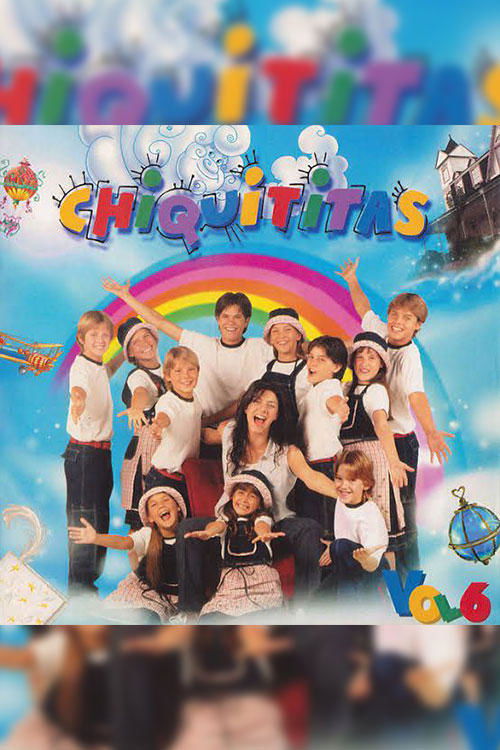
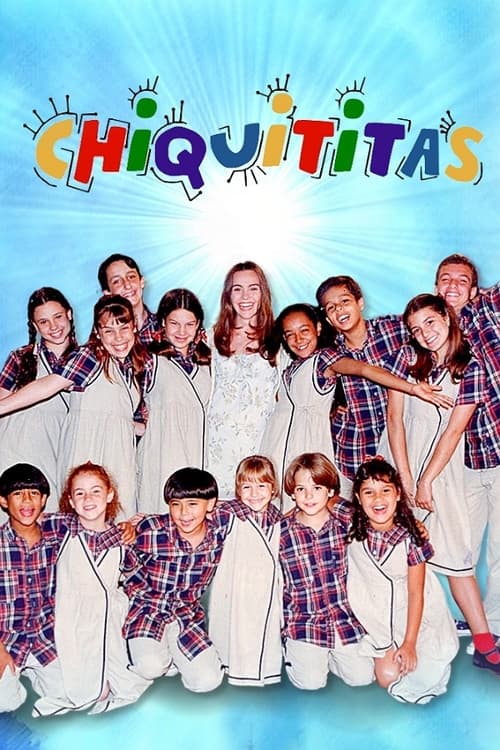
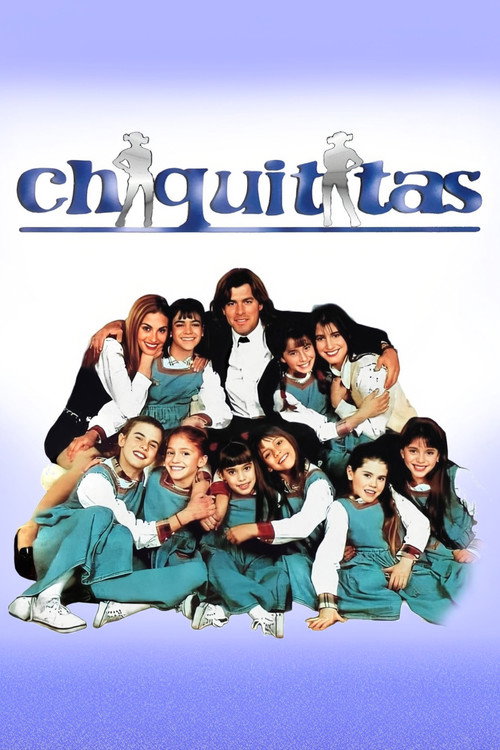
Chiquititas was a kids-oriented soap opera, aired weekdays at 6 p.m. from 1995 to 2000, and weekly in 2001. It is one of the most popular franchises ever in Argentina's television and was what consolidated Morena as a renowned and powerful producer. It was the first television franchise in the country and changed the way local shows were produced, sold and exported.
The show debuted in August 1995 at the same time slot as Jugate Conmigo was originally aired, Weekdays at 6 p.m. on Telefe. It started as a competitor to Canal 13's successful kids-oriented soap Amigovios and, in a few weeks, it was already a huge phenomenon and easily winning its timeslot. The novela focused on a girls' orphanage, Rincón de Luz (Corner of Light), localized in Buenos Aires and the girls' dramas, first loves, frustration of not having families among other issues. It borrowed elements from many children oriented movies and musicals, as Annie to The Sound of Music. The leading character and the children mentor was Belén, played by Cris' daughter Romina Yan. The illain for the first three seasons was Carmen Morán, a very cruel woman who was one of the owners of the orphanage. Belén's romantic partner changed each season as the storylines was more adult and tense: Gabriel Corrado played the part in the first season; Fernan Miras between 1996 and 1997 and, finally, in 1998, Facundo Arana, which went on to become Argentina's most popular TV actor.
The title of the show, Chiquititas (Tiny Girls; the official English title is Tiny Angels), referred to the fact the orphanage was originally made up of 10 girls. To increase the public, during the end of the second season, boys were introduced and, by the third season, the orphanage was changed to a unisex unity and boys and girls now teenagers shared the spotlight, with romance among the cast being one of the shows' biggest themes.
The third-season finale was shot on Walt Disney World and the main teenage character, Mili (Agustina Cherri), the central orphan, said goodbye to the show and the actress who portrayed her, Agustina Cherri, went on to star in Verano del '98, a teen soap also developed by Cris. Usually for each new season, a soundtrack album with about ten new songs was released. Exactly like Jugate a few years earlier, those albums were huge-sellers.The series used the MTV format, and which song had your own musical video and was aired inside the show, when the situation demanded. Many of the songs, such as "Pimpollo", "Rinconcito de Luz" and "Corazon con Agujeritos", became extremely popular and are still remembered all over Argentina, Uruguay and Brazil.
Chiquititas around the world
In 1997, Brazil's number-2 net, SBT, made a deal with Telefe to produce its own version of Chiquititas. The show had an all-Brazilian cast but was shot in Buenos Aires, at the same studios where the original version was produced. Flavia Monteiro was cast as Carolina (Brazil's equivalent to Belen) and Fernanda Souza was Mili.
Unlike Argentina, where the plot took a while to settle in. In Brazil, from the first chapter the telenovela became an instant success. Since the beginning, the show became a huge sensation among kids and teenagers, becoming one of SBT's most popular shows. When the cast returned to Brazil to promote the soap, the cast caused a lot of confusion, leading the children to outbreaks of collective hysteria. As the plot progressed, there was a need to cast more child actors and the casting tests attracted amazing and gigantic numbers of subscribers and the albums sold in huge quantity (the first album sold over one million copies while the second album was less successful, selling over 850.000 copies). Like in Argentina, the show spawned a huge quantity of licensed products and was the debut of some of Brazil's most popular young actors including the siblings Kayky and Sthefany Brito and Bruno Gagliasso.
As it is an adaptation, several differences occurred mainly motivated by the available budget and also for cultural reasons. In the first phase, the number of characters in several centers was reduced and several story lines were cut. The number of girls at the young cast was reduced from 10 to 8 and the early entry of the male cast into the orphanage, which in Argentina took place in the middle of the second season. In 1998, the visual identity of the two versions was standardized and unified. While in Argentina the telenovela was in its fourth season, in Brazil the telenovela was passing through the transition between the first and second seasons. The length of the seasons was also different. The first season was aired in Brazil in 1997, the second was broken between 1997 and 1998 and the third and fourth were shortened, being merged and aired between the second half of 1998 and all year of 1999. In the Brazilian adaptation, several plots were cut or reallocated to other characters. Or new and exclusive plots were chosen that would serve as basis to the last two Argentine seasons. But the biggest difference was about the start of the fifth season, which aired in 1999 in Argentina and in 2000 in Brazil. As at the end of 1998, Romina Yan decided not to renew her contract with Telefé to dedicate herself to other more adult projects, the original version had to undergo a reboot and end the first cycle at the end of that season. And so, the so-called first cycle ended. However, this did not happen in Brazil, as Flávia Monteiro renewed her contract for another two years at the end of 1998.Due this, the producers of the plot decided that the Bélen/Carol would not end there and Raio de Luz could move for the third time and some and some characters would continue in the fifth season and the base of the structure of the history would be maintained. However, fully adapted and changed at the majority of the plots and for their maintenance, with Carolina and the young cast moving to a farm. Plus, the fifth season was the last one in Brazil, as the partnership between SBT and Telefé was not renewed, since the cost of the telenovela was practically all paid in US dollars, due the outsourcing of story production. Another thing was that Argentinian economy already showed signs that it would collapse in a short time. Meanwhile, to SBT save money chose to produce Brazilian versions of know Televisa productions, as the Mexican network made high investments on these adaptations to compete with Globo's primetime and also because the texts had already been adapted for some years and archived due the successive financial crises of the channel. But the main factor for the non-renewal of the contract is that the soap opera that was a profitable product for the channel began to lose audience and revenue during the previous season when most of the original characters had ended their plots. The idea of taking the production to Brazil was taken into account, because the story needed to be finished. January 2001. Thus, the sixth and seventh seasons were not adapted in Brazil. The original sixth season was aired in SBT in 2007, seven years after the series had ended and three years since the reruns (which aired for only a few months because of legal problems) and again attracted huge ratings.
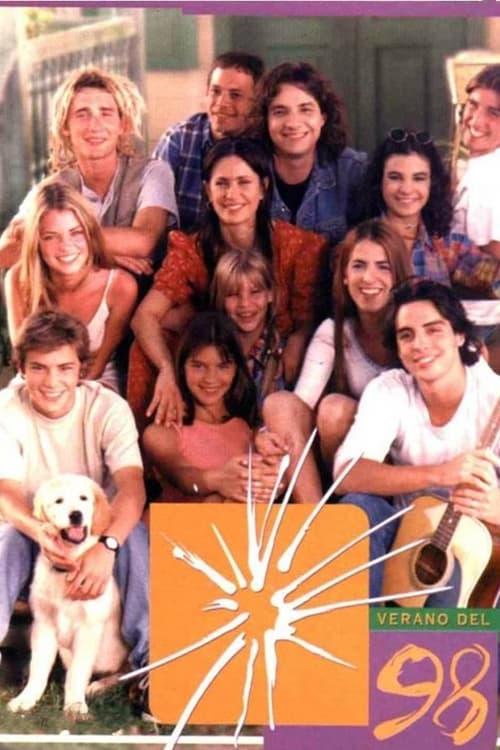
Verano del '98
While Chiquititas was a massive hit among children and preteens, Telefe decided to create a show targeting teenagers to air alongside it. Gustavo Yankelevich was responsible for the initial plot and asked Morena to develop the show about a group of teens living in a small city called Puerto Esperanza. Cherri, who starred as Mili in Chiquititas, was chosen as the main actress and Patricia Maldonado, the screenwriter of Chiquititas, was in charge of the scripts. The show was intended to be aired exclusively during the summer (hence the title, translated as Summer of 98) but it was so successful it went on for three years (gaining the tagline Verano Eterno, Eternal Summer, later on). Morena and her staff were only in charge of the show during its first four months. However, Cris, alongside Carlos Nilson, was in charge of the music of the show for most of its run. The show spawned three albums of original music.
While Verano scored big numbers, being the leader among youth audience in the country, it provoked much controversy. First, it was accused of plagiarizing the American TV show Dawson's Creek although Verano premiered on Telefe a few days before Dawson made his debut on The WB in the U.S. Both shows had huge similarities and some storylines were identical in the first few months. The plagiarizing scandal was explained by Gustavo Yanklevich for La Nación newspaper. He confirmed Verano was hugely influenced by the American show and this happened because he went to a screening of the Dawson's Creek pilot months before the original airing, fell in love with it and because the show took so long to premier, he thought the drama was not picked up by the TV network. He thought the premise had much potential so he asked Morena and the production team to develop a teenage show with a similar story-line. Telefe and Sony (Dawson's Creek producer company) reached an amicable agreement when Sony was given the right to distribute Verano around the world.
The show also caused controversy because of its huge focus on sex with taboo themes like masturbation and plenty of sex scenes and sex talk involving the young teenagers. This issue was resolved by changing the time slot of the show: it was moved from its 7 p.m. slot (following kids soap Chiquititas) to 10 p.m., where it was still a big hit. It was the first teenage-oriented show to air in that time slot. For its third season, the show came back to its original time slot with no controversy. Verano spawned three multi-platinum albums and was the breakthrough of many respected and established actors including Florencia Bertotti, Nancy Duplaá, Marcela Kloosterboer, Nicolás Vázquez, Carla Peterson, Guido Kaczka, Juan Gil Navarro, Fernán Mirás, Mariano Torre, Florencia Peña, Dolores Fonzi, Tomás Fonzi and other. Plans for a Brazilian version of Verano were made but never materialized.
Rebelde Way
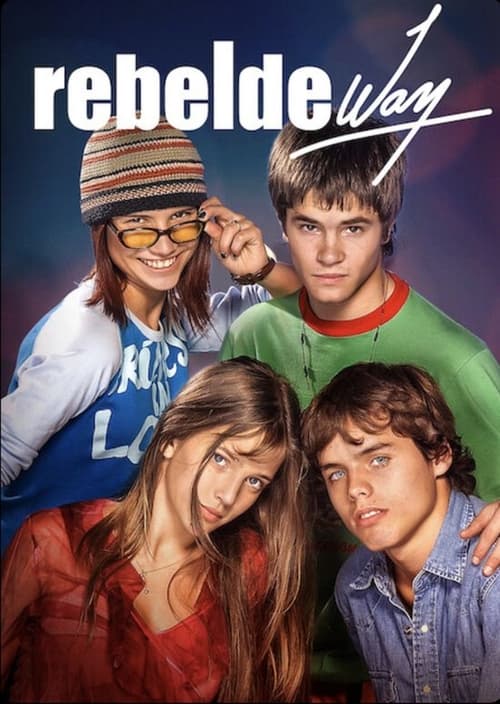
After disagreements between Morena and Vilarruel, Telefe's chairman, she started developing a new show about a group of rich teenagers living in an elite boarding school. The project became Rebelde Way. Felipe Colombo, Camila Bordonaba, Luisana Lopilato and Benjamin Rojas, who were highly popular during Chiquititas' last three seasons, were chosen as the four leads (Rebelde means literally rebel but it also means stubborn, different, daring, revolted, problematic).
Until the late 1990s, producing companies—now very common in the country—uncommon and most shows were property of the channel. Morena had no plans to open her own production company but, after parting ways with Telefe and with a huge team following her, it was the only legal way to do it. Cris Morena Group was born. However, the company was formed by creative staff and was not able to cope with the business and legal aspects by itself so she needed a partner to finance it. Initially, the show was to be co-produced alongside RGB Entertainment, Morena's ex-husband's company with whom she has a very amicable relationship. However, the association did not work out since she was looking for someone who could dedicate themselves entirely and RGB was busy managing girl group Bandana and Mambrú, which were directed at the same target group.
After offers from Canal 13 and Canal 9, the show almost was not produced since the channels, still suffering from the Argentina's economic crisis, could not finance it and she needed an associate who could finance the project. The production resumed when Argentine-Israeli producer Yair Dori decided to invest heavily on the show after Chiquititas became popular among children in Israel. The production began before the show had a confirmed channel to be aired on. It was decided the show would premiere on Canal 9, which had success with teen-oriented show Popstars the year before, and it would be aired every weekday at 8 p.m. Soon after its debut, the show became the channel's highest-rated show. It spawned a band, Erreway, formed by the four protagonists, several licensed products (such as stationery items, a clothing line, a monthly magazine, cosmetics and sunglasses) and a triple platinum album.
After the reception of the show's first series, Morena decided to produce a second season and the group started touring Argentina and selling out arenas around the country and in other South American countries such as Uruguay, Bolivia, Paraguay and Peru. In 2003, Argentina still had not recovered from the crisis and Canal 9 was having some big financial troubles and could not finance the show anymore. Because of that, the show changed from Canal 9 to America 2 in the middle of the second season alongside another CMG production, Rincón de Luz. The transition meant the show sets had to be rebuilt in a new studio and that the show would be off-air for one month. It was the first time in Argentine television history a show changed channel in the middle of the season.
Rebelde Way foreign versions
In 2004, Star One bought the rights to adapt the show for India and REMIX was a huge success and caused a big impact among the local youth.
In 2004, Mexico's Televisa debuted their own version of the show, Rebelde. The soap was, once again, a huge phenomenon among Latin-American crowd and the group that spawned from the show, RBD sold out Latin America's biggest stadiums and were the first group to receive a Diamond Record for sales in Mexico since OV7 in 2000. They achieved record sales in Colombia (were they outsold Shakira and Juanes), Brazil, Spain and Chile and in almost every Latin-American country.
In Brazil, where Hispanic pop is unpopular, RBD sold over 2.5 million records. Their first concert in the country, which was free, was marked by tragedy when a much bigger crowd than expected turned out and a stampede killed two young fans. Later, they were the first Spanish language acts to do a concert at the world's biggest stadium, Maracanã, in Rio de Janeiro.
Ironically, one of the few markets in which Rebelde did not perform well was Argentina, where it only debuted in 2008, two years after their peak (because of contractual obligations with Cris Morena Group and Dori Media). They still managed to achieve a Golden record for sales with their album, Empezar Desde Cero according to CAPIF and their first concert in Buenos Aires (part of their goodbye tour) sold-out. Morena was in attendance at the concert.
At the end of August, a Portuguese adaptation of the show premiered on SIC. It also had remakes in Brazil, by Record and Chile, by Mega. In both countries, Brazil and Chile, the Mexican version aired with huge success. In Chile, the Argentinean version was also broadcast.
In 2009, it was revealed Fox and Jennifer Lopez's production company had the rights for the American remake.
Floricienta
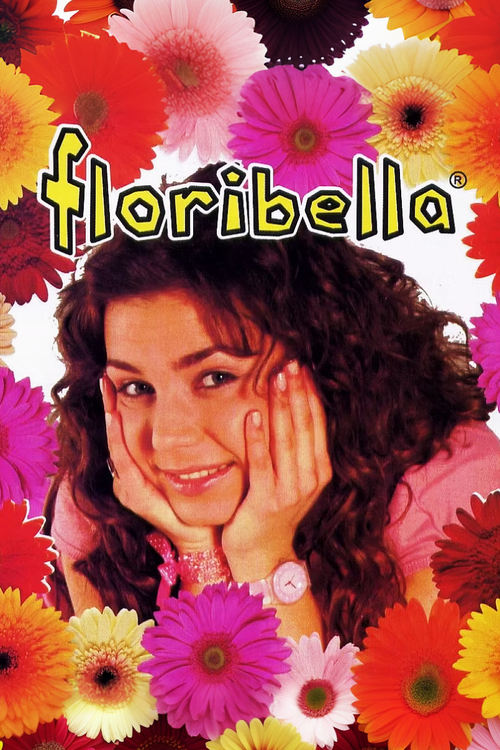
When many doubted Morena could exceed her previous hits, she surprised again with Floricienta. A modern retelling of Cinderella (the title was a mix of Flor, the main character nickname, and Cenicienta, Spanish for Cinderella), the story was developed by Morena as a starring-vehicle for Florencia Bertotti.
After being panned by critics since 1991 with Jugate, Morena finally received praise. Clarin, in their first positive nod of one of her productions, rated the show as "very good" and noted that "[w]hat Cris Morena declared is true: Floricienta is not much better than all her other children and teen-oriented sagas that were previously on (Chiquititas, Verano del '98, Rebelde Way, Rincón de Luz). However, being only a tiny bit better, it conquered not only the public but also the very mischievous public opinion (and while both may look the same, they're definitely not)". The critic praised the actors, especially Florencia Bertotti, the editing, the story, the scripts and the pace of the show. However, Clarin and Canal 13, which originally aired Floricienta, are owned by the same parent company. La Nación, which has always been more positive when it comes to Cris' shows, also rated the show as "very good" praising the production, the cast and Florencia Bertotti's charisma and comedy timing.
Floricienta started with 14 points in its first episode and, by its season finale, achieved ratings of over 30 points with the death of Federico, being the biggest Morena produced hit in history, even topping Chiquititas 98 ratings. The first season was the highest-rated afternoon-slot show in Canal 13 history. Although the ending of the first season, with the death of the prince Federico, was highly criticized, the second season continued to be hugely popular. The TV show ended with Floricienta getting married in front of a big live audience and the finale was also a hit, with 25 points.
Floricienta, as with most Cris Morena Group productions, had a huge Broadway-style live musical in Teatro Gran Rex during the Winter Vacations. Demand for tickets were extremely high with some concerts selling out in minutes. To satisfy the demand, the cast played two end of the year concerts at Estádio Velez Sarsifield with over 40.000 tickets sold for each of the two performances. In 2005, a new musical debuted on Gran Rex and it was also a major success with a total of 170,000 tickets sold. Because of this, eight extra shows were played in Luna Park stadium in Buenos Aires with 80,000 tickets sold. After the show ended, the complete cast waved goodbye in front of 40.000 people at another sold-out concert at Vélez Sársfield stadium. With over 290.000 tickets sold, it broke attendance records for a Morena musical in Buenos Aires (however, it did not break the Teatro Gran Rex attendance record, still held by the 280.000 tickets sold by Chiquititas in the '98 season).
Chiquititas' spin-offs
After exiting Telefe in 2001 due to disagreements with then content director Claudio Vilarruel, Morena had to leave the Chiquititas brand behind since the name was property of the channel. Decided to make a new season, Morena created a spin-off, Rincón de Luz (the name of the orphanage throughout all its seven seasons), to be aired in Canal 9 alongside the second season of Rebelde Way. Similarly to Rebelde, the show was co-produced by Israeli production compani Dori Media.
Guido Kaczka, which played Belen's brother from 95 to 98 in Chiquititas and Argentina's best-selling singer, Soledad Pastorutti were chosen as the leads. Many of the young actors from previous Chiquititas season, such as Agustín Sierra, Natalia Melcon and Nadia Di Cello were also part of the cast. And new young actors and actresses like Lali Espósito, Candela Vetrano, Eugenia Suárez, Stéfano de Gregorio, Camila Salazar and Gastón Soffritti were also introduced.
The show debuted in April 2003. Although it rated better than Canal 9's average numbers, it could not top the success of the previous Chiquititas seasons and ratings were also lower than Rebelde Way. In the middle of the year, due to a crisis in Canal 9, the show changed to America 2 alongside Rebelde Way and the one-month hiatus and frequent time slot changes in the new channel affected the show greatly. Even so, it still rated better than the channel's average. Even though ratings were not as big as hoped, commercially the show was still a success, being sold to over 30 countries. The soundtrack album achieved Gold certification (a modest result compared to other Chiquititas' albums). Although it underperformed in Argentina, in Israel the show was a huge success, helped by hype surrounding Rebelde Way and the original Chiquititas, which had exploded there only a few years prior. The complete cast of the program visited Tel Aviv for a series of concerts at the Nokia Arena, with over 50.000 tickets sold.
In 2005, Morena started to patch things up with Telefe when her sitcom Amor Mío was picked up by the channel and aired on primetime with great success. Finally, after four years working for all its competitors, Morena returned to Telefe in an exclusivity deal in 2006. She would produce a prime-time show and a children-oriented show for her traditional 6 p.m. slot.
For the comeback, Morena decided to produce a new season of Chiquititas. Jorgelina Aruzzi was chosen as the central figure, Lili. Jorgelina was revealed at Amor Mío. Her romantic interest was Kili, played by Gaston Ricaud. The children cast was formed by new faces fresh out of a casting and Lali Espósito (which had starring roles in Rincón de Luz and Floricienta), Stéfano de Gregorio (who had starring roles in Rincón de Luz and Floricienta) and Candela Vetrano (who had a starring role in Rincón de Luz). However, even though the album achieved double platinum, spawned over 100 licensed product and was the ratings leader on its time slot, beating Canal 13 rival show El Refugio (de los Sueños) (which was eventually canceled), it did not matched the phenomenal level of popularity of the previous seasons, Floricienta or even Rebelde Way.
Casi Ángeles
Initially, Morena planned to do the eight season of Chiquititas with an all-new cast but, at the last minute, she decided to rename and restructured the whole project. Morena revealed for the first time the title of the show, Casi Ángeles, in a November 2006 interview to Produ.com. Production started in December and, in March, the show made its debut at Telefe, in her traditional 6 p.m. timeslot. Targeted to kids and teens, the show starred Emilia Attias and Nicolás Vázquez and, as the Teen Angels, the band spawned from the show, Lali Espósito, Peter Lanzani, Eugenia Suárez, Nicolás Riera and Gastón Dalmau. Gimena Accardi, Alejo García Pintos and Julia Calvo completed the main ensemble.
Casi Ángeles made a good impression in the specialized press. La Nación rated the show as good and praised the production and the chemistry between the main couple. Fans were not so positive: in boards like Los Ángeles de Cris and Telenovelas.com.ar, fans praised the production but complained the show lacked originality, with Cielo (played by Emilia Attias) resembling Floricienta and with many plots being reused and resembling those from the eight previous Chiquititas seasons, Alma Pirata, Rebelde Way and mostly Floricienta, with scenes that were exactly the same as the previous Morena show.
The show debuted with 13.7 points, on par with previous Morena shows and leading its timeslot. However, it began struggling when Patito Feo made its debut on Canal 13. The Ideas del Sur production was a huge smash and, for the first time, Morena did not have the leading children project for children in the country. Patito Feo products were also outselling Casi Ángeles and, in April, Patito was winning with a vantage of over 2 points in rating, forcing the show to change its timeslot to 5:30 p.m. After the change, Casi Ángeles started to considerably increase its ratings and returned to its original slot, facing Patito once again. This time, ratings were more stable and the show achieved its biggest numbers with the season finale which achieved 16 points, easily beating the competitor. At the end of the year, both shows had similar numbers: Patito Feo averaged 12.6 points while Casi Ángeles averaged 12 points. Commercially, the show was still a success with over 50 licensed products and a Platinum-selling album. The musical at Teatro Gran Rex attracted over 140,000 people. Even so, commercially, managed to overshadow the "Patito Feo" tour across the country, either by the volume of tickets sold, or by the sexual harassment scandal that would come to light some time later.
In January, Casi Ángeles second season went into production and the show made its debut in April. To present the new season, a free, special an exclusive concert was held at Luna Park stadium for 8.000 ticket holders. The new songs were presented for the first time and a 10-minutes trailer was shown. The second season had an innovative format – including monologues, episodes titles and other production recourses not usually used in daily fiction shows – and a bigger focus on the teenager cast. It had a 13.6 average, a 2-point increase from its previous season. It also easily beat all its competitors: after winning the battle in the previous years, Patito ratings plunged on its second season and Morena's show ended with a vantage of over 4 points in average ratings (Patito averaged 9.4 points in its second season). In November, after Patito Feo finale, Ideas del Sur debuted its new teen oriented show, Atracción x 4 (with the highly promoted reunion of Rebelde Way's Luisana Lopilato and Camila Bordonaba) at the 7 p.m. slot as to avoid a clash with Casi Ángeles. However, Telefe changed the show's slot to 7 p.m. and Casi Ángeles beat the new Ideas del Sur show. To extend Casi Ángeles second season—which already had wrapped its production—Telefe decided to turn the final 6 chapters into 12 (cutting each chapter in half and extending the Teen Angels segment at the end of each episode) so the show would air for an extra two weeks. The season finale was aired in the original 60-minute format and reached 18.4 points, a series' high and the highest-number achieved on an afternoon slot during the year. The second season musical, held, as usual, in Teatro Gran Rex from June to September, became the second biggest Gran Rex ticket-seller ever (behind only Chiquititas '98) selling 220.000 tickets. In October, the cast went on a national tour and, in December, to satisfy the demand, they played six additional concerts at Gran Rex in Buenos Aires.
Other projects
In 2005, besides the second season of Floricienta, Morena debuted Amor Mío, a romantic sitcom she started developing with her daughter, Romina Yan, in 2002. The show starred Yan alongside Damian DiSanto and was the first Morena show not targeted to a young audience. Aired in prime time, during a time the country was undergoing a sitcom boom due to the success of Casados con Hijos and La Niñera, the show averaged 20.3 points and ended prematurely, despite high ratings, due to Romina Yan's pregnancy.
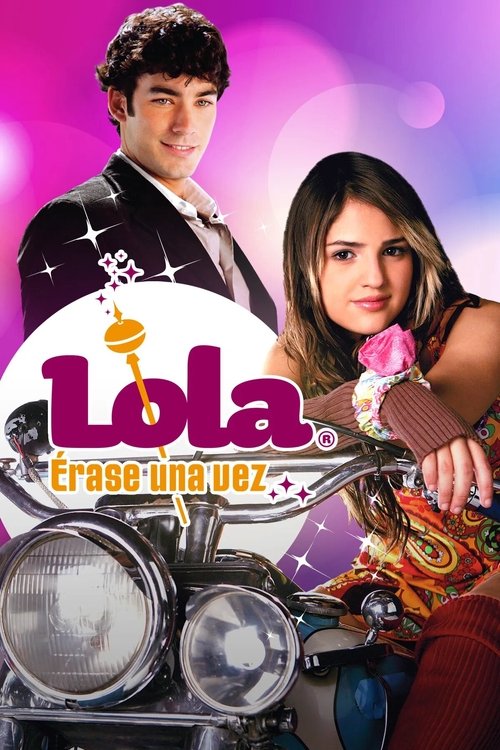
Amor Mío was adapted for Mexico's Televisa and for Russia. The Mexican version was shot in Argentina (similar to Chiquititas Brasil in the late 1990s) and was a hit in the country. The Mexican version had many more episodes than the Argentine version and the scripts which were not utilized due to the show's premature ending were finally used. Even after those scripts ran out, Televisa renewed the show and brand new episodes were written by the Argentine staff especially for Mexico. After Rebelde, Amor Mío and Lola Erase Una Vez, Televisa signed an exclusivity contract with CMG and RGB. Under the contract, the Mexican-net would help finance CMG productions, promote the shows overseas and handle international sales and distribution, besides having exclusive remake rights in Mexico. However, Televisa cannot interfere on the creative process.
In 2009, Romina and Damian reunited for a musical sitcom, B&B (Bella y Bestia), also produced by Morena and RGB. She played an uptight ballerina while he played a liberal rocker which lived across from each other with their kids. The show, aired at prime time, achieved decent ratings but was not a big success.
In 2006, Morena was also in charge for a primetime show at Telefe and produced Alma Pirata, an adventure-style production never before seen in Argentina. For the show, she reunited Argentina's hottest young actors (three of them discovered by her): Luisana Lopilato, Mariano Martínez (who real life romance was causing huge media attention at the time), Benjamin Rojas, Isabel Macedo and Elsa Pinilla among others. It had the difficult mission of beating Canal 13's big hit Sos Mi Vida on the 8 p.m. time slot. It could not do it and after a few months of struggling ratings, it was moved to 7 p.m. Because of that, Mariano Martínez decided to leave the show since his contract was exclusively for a prime time show. He was killed off and Nicolas Vasquez replaced him as Luisana's character love interest. Even though the show did not fulfill expectations as a primetime show, it did particularly well in the 7 p.m. slot. Its finale had a 22.1 points rating, almost matching its highest-rated episode (22.4 for its debut). The show averaged 16 points for its entire run and reached its lowest point during the third month of its run when it did 12.6 points and was almost doubled by Canal 13's competitor show. Even though Alma Pirata would not have music, it did end up having an original soundtrack album with songs composed by Morena and Carlos Nilson and sung, mostly, by Benjamin Rojas.
Aliados
After a two-year hiatus, Morena announced her highly awaited return in November 2012 at the Grammy Latino red carpet. The project, titled Aliados, started being promoted in December with spots inviting young people to participate in a virtual casting. After a long pre-production period, production officially begun in March 2013. Headlining the project are former Casi Angeles actors Peter Lanzani and Pablo Martinez and newcomer Oriana Sabatini. The project was officially unveiled at the Telefe Upfront, Todos Juntos 2013, at the end of May. During the presentation, a tribute to Morena was presented and the producer made her first official appearance in over two years. Its cast—formed by Peter, Pablo and 12 newcomers—was officially unveiled. Oriana Sabatini, Mariel Percossi, Lola Moran, Joaquin Ochoa, Carolina Domenech, Nico Francella, Julian Serrano, Agustin Bernasconi, Maxi Espindola, Eliseo Renteria, Manuela "China" Viale and Jenny Martinez made their TV debut in the show. Boy Olmni, Mercedes Funes, Paula Recca and Dolores Fonzi are also part of the cast.
Aliados is Cris' first weekly show. There will be 40 episodes for TV and 240 webisodes. The webisodes will be unveiled daily while the show will be aired every Wednesday at 9 p.m. on Telefe and Thursday at 7 p.m. at FOX for the Latin America continent. Leandro Calderone, Casi Ángeles head-writer, is responsible for the scripts. Instead of RGB, Telefe will co-produce the show themselves, marking the first time Morena has worked directly with the channel since the 90s. As most Cris' projects, the show will heavily feature music with lyrics by Morena and production by Pablo Durand, which has worked with Morena since 2007, and 11 times Grammy award-winning producer Rafa Arcaute. The show was slated to debut on 11 June but it had its premiere date postponed to 26 June.
Originally, the show was supposed to be produced in Mexico alongside Televisa. However, Cris' had no desire to move out of Argentina and, in the end, Telefe agreed to finance the project. To promote it, Morena gave her first interviews since 2010 to La Nación, Clarín and Diario Perfil and made her first TV interview since 2005 at the Susana Gimenez show on the 24th. A press conference was also made before its debut and the show was heavily promoted across the web, on Twitter and Facebook. Morena herself joined Twitter to help promote the show.
On 26 June, Aliados made its debut on Telefe at 9 p.m. Instead of an early evening afternoon slot, the show will be aired at primetime weekly. During its debut, it had five worldwide trending topics on Twitter and it marked 16 points in ratings, being the most-watched show on Telefe during the day and the second most-watched show on the network of the week. However, after the initial buzz, ratings fell and stabilized at around 9 points.
Awards
Martín Fierro Award
CAPIF Award
Gardel Award
Nominated for Latin Grammy