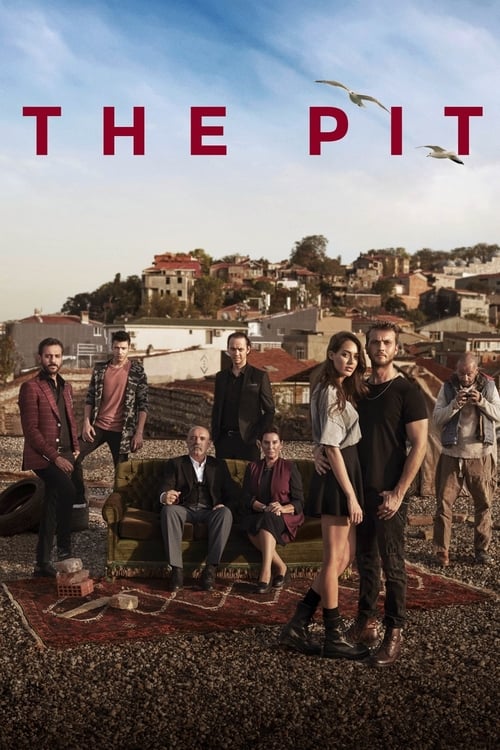
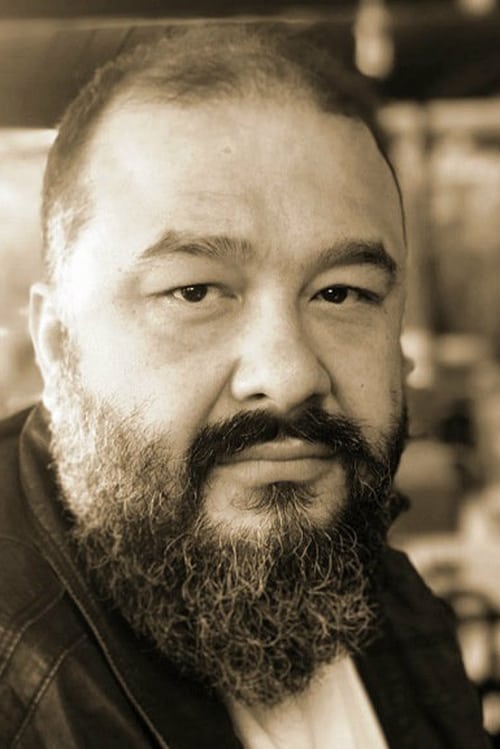
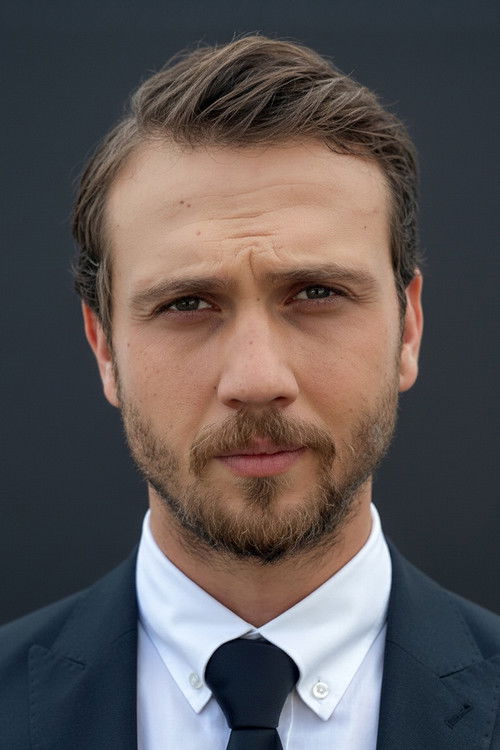

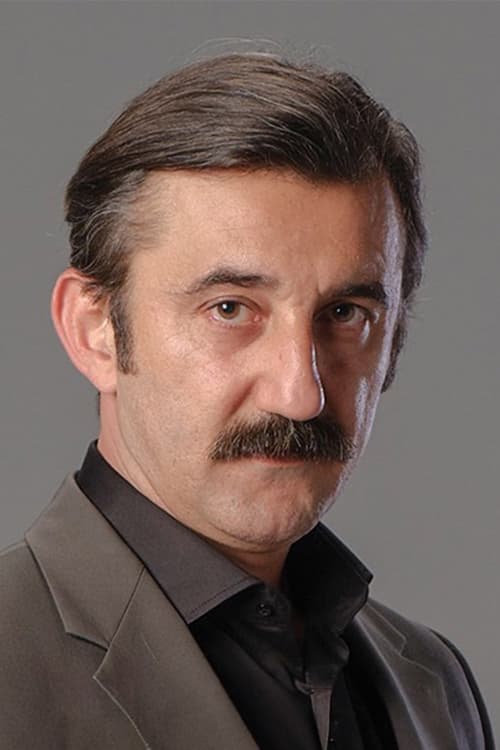


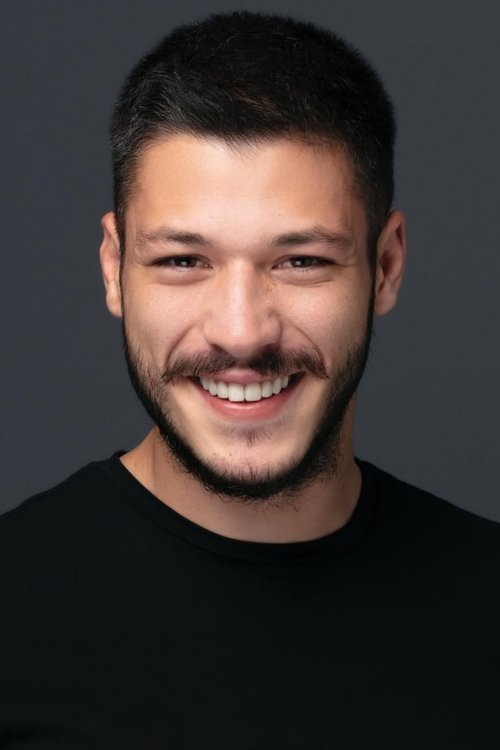
Çukur (transl. "The Pit") is a Turkish action, drama and crime thriller television series produced by Ay Yapım, directed by Sinan Öztürk and written by Gökhan Horzum and Damla Serim. It premiered on 23 October 2017 and concluded on 7 June 2021 with a total of 131 episodes (four seasons).
Contents
Plot
The Koçovalı family is in control of Çukur, the crime-ridden neighborhood of Istanbul. Despite being so involved in crime, the family has its own rules. One of these rules is the prohibition of drugs. No drugs are produced, used or sold in Çukur. But the groups that are new to the game try to break the ban.
Filming
Çukur is shot in the Balat district of Istanbul's Fatih district. Some scenes of the first and second episodes of the first season were shot in Paris, the capital of France, and some scenes of the third season were shot in Berlin, the capital of Germany. After the series ended, in 2022, a fire broke out in the building of the coffee house where the series was shot.
International broadcasting
Iran on Gem TV since 2019 as Persian: گودال, romanized: Godal. Dubbed to Persian.
Ethiopia on Kana TV since 2019 as Amharic: የኛ ሰፈር, romanized: jɛɲä sɛfɛr.
Arab world on beIN Drama since 2019 as Arabic: الحفرة, romanized: al-Hufra. Dubbed to Arabic.
South Africa in Eextra since 2022 as Die Put.
Bosnia and Herzegovina on Nova BH since 2022 as Jama.
Serbia on Nova S since 2021 as Jama (Only season 1).
Albania on TV Klan since November 2022.
Romania on Happy Channel since January 9, 2019 as Legea Familiei.
Bookmaking
Gökhan Horzum, the screenwriter of the series, published a book about the first season of the series called Yamaç's Return - Çukur in October 2019. The cover design of the book was made by Serçin Çabuk and Banu Üstündağ Hatip.
Reviews
Çukur has a story that reduces the neighborhood to a bad image (pit), unlike the Turkish TV series of the 2000s that deal with the neighborhood culture. Nurdan Gürbilek commented on "family, masculinity and the mafia series" by devoting a separate section to the line in his work titled Second Life. In the series, first the hero leaves the house and then returns to the threatened neighborhood as a savior. Gürbilek interprets this as a classic return story and evaluates it as a popular version of the "man returning home" narrative. According to him, the music of the TV series (mainly the songs of Gazapizm and Eypio) that integrates with the scenes of violence are rap pieces that have been converted into close combat music. In the series, the name of the struggle of the heirs (self and stepchildren) created by the father's image and the fall of the father is "brothers' fight". On the other hand, those under the command of Baba (Idris et al.) and the neighborhood leader (Yamaç et al.), who stand out as the saviors and protectors of the poor (neighbourhood), are "fatherless children". According to Gürbilek, the neighborhood is seen as a "liberated space" and the reality of despair connects people to the order of fatherhood and masculinity (neighborhood).
Complaints
Since its publication, Çukur has been among the most complained about works on TV. Due to scenes of armed conflict, fear, violence and torture, RTÜK imposed an administrative fine on the channel on which the TV series was broadcast. Ercan Kesal, who took part in the increasing complaints for two seasons in Çukur, replied, "When you compare the violence issue in Çukur with the violence in daily life, it is much more innocent."
Symbol
The emblem of this series—and of the Çukur neighborhood—is ᑅ ᐧ ᑀ. This symbol is closely tied to both the Çukur community and the Koçovalı family. It is etched not only onto the bodies of Çukur's residents but also onto the walls throughout the area.
Its design is composed of five main elements: an upward-pointing chevron, three vertically aligned dots beneath it, and a downward-pointing chevron at the base. Each part of the symbol conveys a specific message:
Upward chevron (roof of the home): This element symbolizes the roof over one’s head. In times of crisis, a person can come to Çukur, knock on any door, reveal their tattoo, and the household will welcome them as one of their own. The roof becomes theirs, offering protection and refuge.
First dot (immediate family): The topmost dot stands for the loved ones within the home—parents, siblings, spouse, and children. These are the people one is duty-bound to guard and support.
Second dot (chosen family): The middle dot signifies friends, companions, and neighbors—the extended family one chooses. Bonds here run deep; they would take a bullet for you, and you for them.
Third dot (the Koçovalı family): The bottom dot represents the larger family unit—the Koçovalı family. By bearing the tattoo, a person is embraced by the Koçovalı family, receiving their care, protection, and trust. In return, loyalty, love, and respect are expected. In times of trouble, the Koçovalıs will defend Çukur, and Çukur, in turn, will stand by the Koçovalıs.
Downward chevron (the Pit): This final element signifies Çukur itself—the pit. It is a safe haven, a nest, a place to return to.
Together, these elements express that as long as there’s a roof above, a pit below, and family in between, death holds no power over us. Once someone receives this tattoo, even if they one day leave Çukur, Çukur remains a part of them forever.