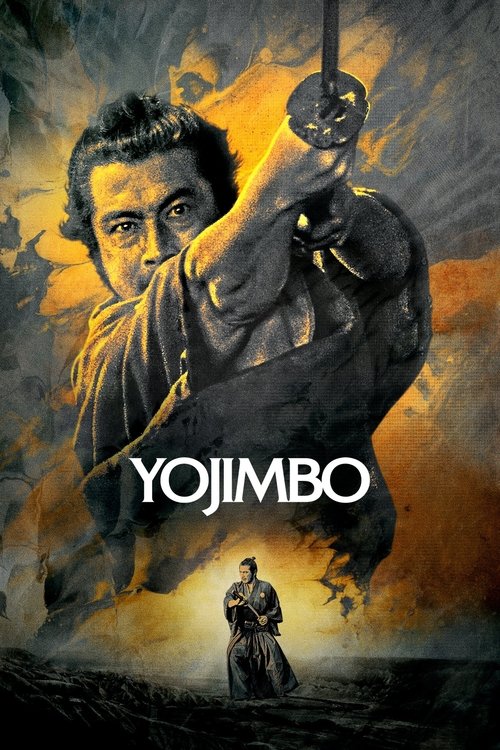




Daisuke Katō (加東 大介, Katō Daisuke; February 18, 1911 – July 31, 1975) was a Japanese actor. He appeared in over 200 films, including Akira Kurosawa's Seven Samurai, Rashomon, Yojimbo, and Ikiru. He also worked repeatedly for noted directors such as Yasujirō Ozu, Mikio Naruse and Kenji Mizoguchi.
Contents
Career
Born as Tokunosuke Katō to a theatrical family, his older brother was the actor Kunitarō Sawamura and his older sister the actress Sadako Sawamura. He joined the Zenshinza Theatre Company in 1933 and appeared in a number of stage and film productions under the stage name Enji Ichikawa, including Sadao Yamanaka's Humanity and Paper Balloons and Kenji Mizoguchi's The 47 Ronin. After spending the war in New Guinea, he returned to Japan and signed with the Daiei Film studio, appearing now under the name Daisuke Katō.
In addition to appearing in traditional jidaigeki roles, notably as one of Kurosawa's Seven Samurai, Katō became a popular everyman in contemporary shōshimin-eiga movies. His transfer to Toho in 1951 was an astute career choice, as he emerged as one of the studio's most prolific performers. Toho leveraged Katō's cherubic appeal, featuring him heavily in promotional materials, and his celebrity grew beyond the typical status of a supporting player. In the late 50's, Katō's capacity as a headliner was confirmed by his role as the central character in the series of adaptations of the Shishi Bunroku novel Ōban; scholar Donald Richie noted Katō’s “perfect interpretation” of the portly go-getter in the popular tetralogy. Katō also co-starred in major releases, including Toho's Company President (Shachō) comedies.