Television
Herrmann was known for his portrayal of Franklin D. Roosevelt in the television films Eleanor and Franklin (1976) and Eleanor and Franklin: The White House Years (1977) (both of which earned him nominations for the Primetime Emmy Award for Outstanding Lead Actor in a Limited or Anthology Series or Movie), as well as in the first feature film adaptation of the Broadway musical Annie (1982). Reflecting on becoming involved with Eleanor and Franklin, Herrmann reflected, "It was a gift. You never get a script that good. Or a cast that good, or a director that good, or a designer that good, or a sponsor that good. And all on the same project? It was just blessed." Joseph McAuley said of Herrmann's casting, "To a generation growing up watching television and the movies, Edward Herrmann was the personification of FDR. As an actor, he stood head and shoulders above everybody else (literally—he was 6'5") and he was an inspired choice to play the Depression era/World War II president for a generation who never knew the real man who had long since become an historical figure." Emily VanDerWerff wrote that while she found Annie to be a mediocre film, "Herrmann's warm charm as FDR shines through. He's a kind, compassionate fellow, in a film that's all about the power of positive feeling and kindness."
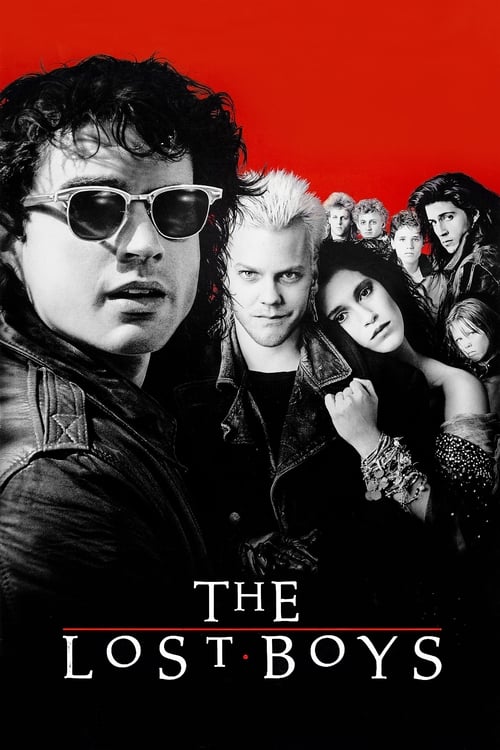
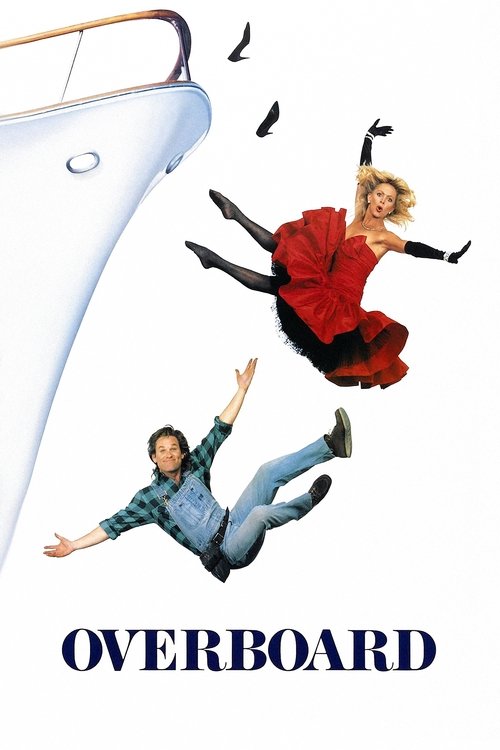
In 1980 Herrmann starred in "Heal Thyself", a season 8 episode of M*A*S*H as Captain Steven J. Newsome, an army surgeon suffering from PTSD, and in 1987 he portrayed Grant Stayton III in Overboard and Max in The Lost Boys.
He was nominated for a Tony Award for Best Actor in a Play for Plenty at the 37th Tony Awards in 1983 and the Primetime Emmy Award for Outstanding Guest Actor in a Drama Series in 1986 and 1987 for two guest-starring appearances as Father Joseph McCabe on St. Elsewhere. In 1984, Herrmann played Alger Hiss in the PBS docudrama Concealed Enemies. During a break from filming, Herrmann praised the production: "This is perhaps the most ambitious thing public television has ever done. They were a little nervous about it, because of the cost. But they shouldn't have worried. It smacks of the real thing."
Herrmann appeared in the 1994 television film Don't Drink the Water. Ken Tucker wrote, "In smaller roles, veteran character actors Austin Pendleton, Josef Sommer, and Edward Herrmann nail their lines like the seasoned pros they are." Herrmann portrayed Herman Munster in the Fox made-for-television film Here Come the Munsters, which aired on Halloween in 1995. Herrmann found the script "silly and funny" and wanted to play a clown again, though also admitting a lack of prior involvement with the original The Munsters: "I was way too old. I was out of college. I was going to be an actor. I have always admired Fred, but no, I wasn't swept up in Munstermania at all. I didn't have a lunch box." In observing the plot of Here Come the Munsters, Herrmann was reminded of American family values, seeing the production as parodying such beliefs: "In our screenplay, the Munsters arrive here as refugees. We resist attempts to kick us out of the country by a vicious politician who keeps saying, 'America for Americans!'"
David Flint and Nick Smithson positively commented on the accuracy of his likeness. He played Harrison Beacher, Tobias Beecher (Lee Tergesen)'s father on Oz. Herrmann earned a Primetime Emmy at the 51st Primetime Emmy Awards in 1999 for his guest appearances on The Practice. Also in 1999, Herrmann appeared as President Fellwick in the television miniseries Atomic Train. Ray Richmond commented that Herrmann "makes a swell U.S. President, reassuring and authoritative".
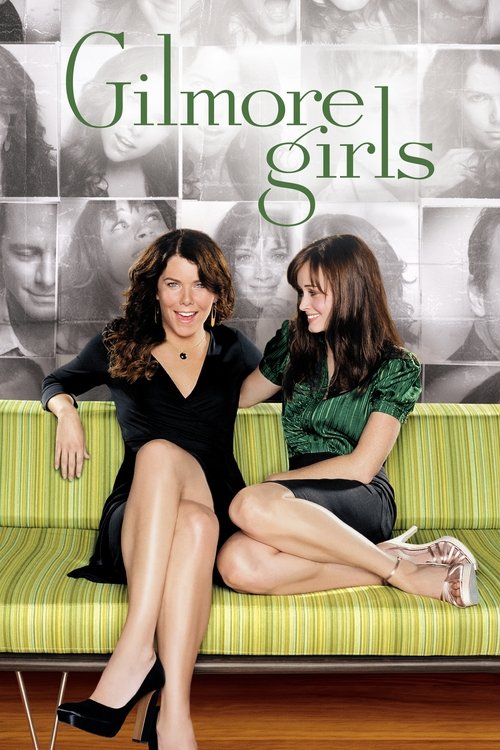
For two episodes in 2007, Herrmann portrayed Dr. Norman Shales, a strikingly old intern, on ABC's Grey's Anatomy. From 2000 to 2007, he portrayed Richard Gilmore on The WB's Gilmore Girls. Series creator Amy Sherman-Palladino said Herrmann had been the first choice to play the character and came in to read the script despite his agent saying he would not: "We sat there in stunned silence as Ed opened the script and proceeded to read. And just like that, Richard Gilmore was sitting in front of us." The audition had taken place in New York City; casting director Jill Anthony said his audition and that of Kelly Bishop (who was cast as his character's wife Emily Gilmore) were vastly superior to others trying to procure the same roles. Bishop said she gained a friendship with Herrmann based on their similarities: "We, obviously, were older [than the rest of the cast]. But we were also New York actors, and we connected very well. We always did our crossword puzzles together in the hair-and-makeup room." Both Herrmann and Bishop were also Tony Award recipients in 1976. Alexis Bledel, who portrayed his character's granddaughter Rory Gilmore, recalled Herrmann's extensive knowledge and habits during breaks from filming: "Ed was so knowledgeable about theater, TV, and film, and what I remember most is how he would share so much of this knowledge. He loved talking about it so we had those long Friday-night dinner scenes where we'd be sitting at a table all day, and he would share so much." Herrmann enjoyed the relationship between his character and that of Bledel, and was disappointed by the series finale "Bon Voyage". Caryn James assessed that Herrmann and Bishop succeeded in making their characters likeable while Sarah Schweppe wrote that Herrmann "was such a comforting presence on this show."
In October 2013, Herrmann made an appearance on How I Met Your Mother in the ninth season episode "Knight Vision", playing a minister Reverend Lowell.
Herrmann's death was written in via his character Richard in the 2016 revival of Gilmore Girls, Gilmore Girls: A Year in the Life. Lauren Graham, Herrmann's costar on Gilmore Girls, said, "He would have loved this [new series]. His death was just a loss for us personally. It's given the show a new complexity and depth. It's a nice tribute to him." Sherman-Palladino told Entertainment Weekly, "It's safe to say that the death of Richard Gilmore, the death of Ed Herrmann, looms large over everything." Scott Patterson, another costar, agreed with Sherman-Palladino: "[Herrmann's death] left a big void, but Amy honored it beautifully. He's throughout ... these stories. It's a wonderful homage to him as a person and to his character as well. It's nice to have him around." After concluding filming, Bishop said of Herrmann, "There was a space where he was supposed to be, so he certainly was with us, and he's very prevalent in the show so that will make everybody happy I think, who'll miss him, but I'm sorry he couldn't be with us."