
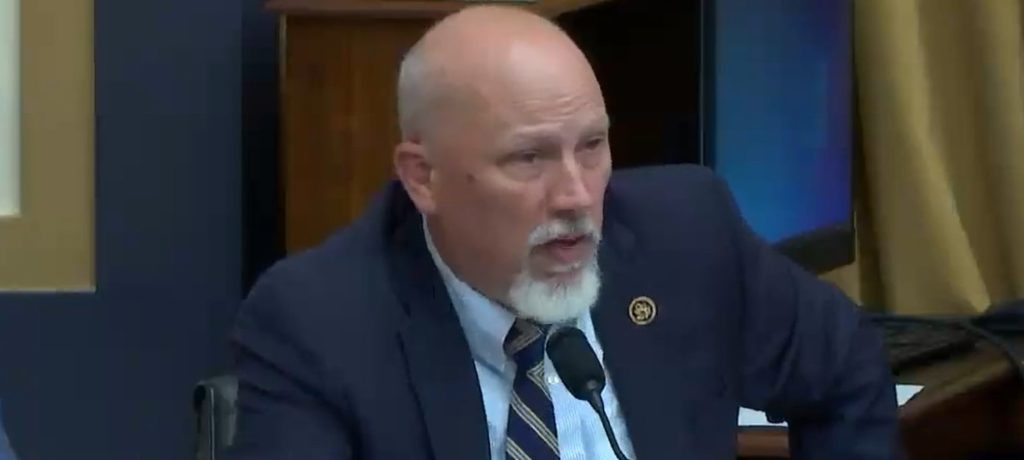

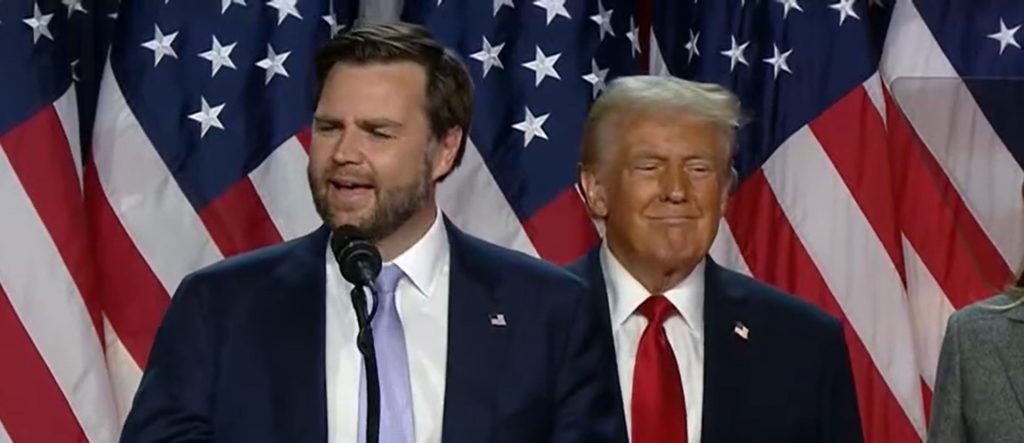
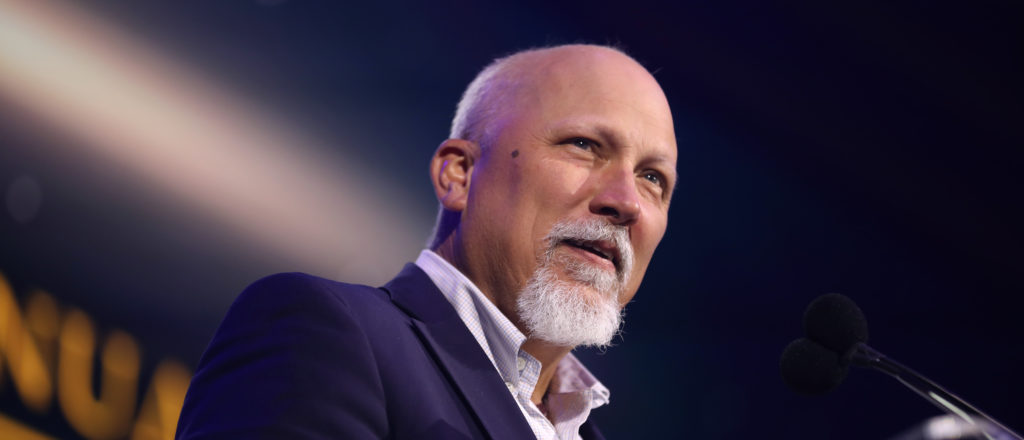
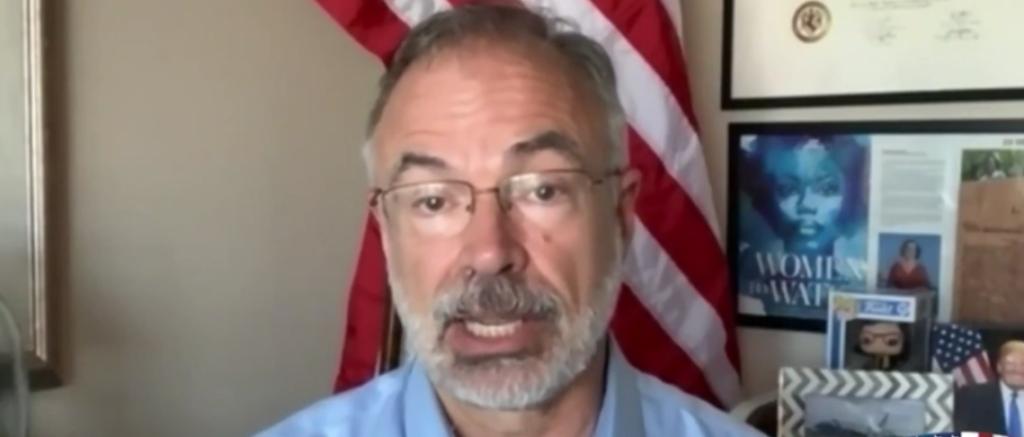
The Freedom Caucus, also known as the House Freedom Caucus, is a congressional caucus of conservative members of the Republican Party in the United States House of Representatives. It is generally considered to be the most conservative bloc within the chamber.
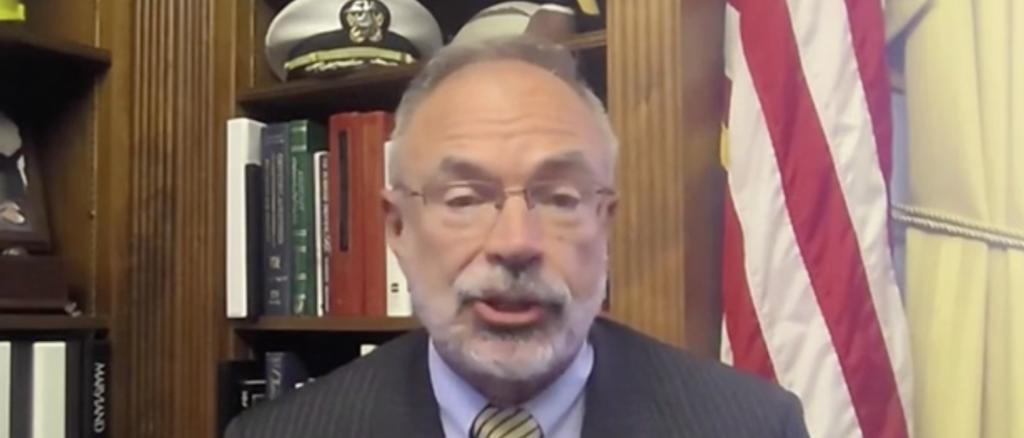
Formed in January 2015 by a number of conservative lawmakers, including several associated with the Tea Party movement, the caucus was created to advocate for a more conservative policy agenda and push Republican leadership to the right. Its first chairman was Jim Jordan, and its current chairman is Andy Harris. Members typically support policies associated with fiscal and social conservatism, including lower federal spending, limited government, and stricter immigration policies.
Over time, the caucus has been associated with right-wing populist and national conservatism, particularly during the presidencies of Donald Trump. It has also included some members who are libertarians. The Freedom Caucus has often taken an assertive role in internal House politics, sometimes opposing legislation supported by Republican leadership or using procedural tools to influence the legislative process. Members of the caucus played a key role in the removal of Kevin McCarthy as Speaker of the House. Members have also supported efforts to repeal the Affordable Care Act and have advocated for changes to House rules intended to decentralize power.
The caucus supports House candidates through its PAC, the House Freedom Fund.
Contents
History
The caucus originated during the mid–January 2015 Republican congressional retreat in Hershey, Pennsylvania. Nine conservative Republican members of the House began planning a new congressional caucus separate from the Republican Study Committee and apart from the House Republican Conference. The founding members who constituted the first board of directors for the new caucus were Republican representatives Scott Garrett of New Jersey, Jim Jordan of Ohio, John Fleming of Louisiana, Matt Salmon of Arizona, Justin Amash of Michigan, Raúl Labrador of Idaho, Mick Mulvaney of South Carolina, Ron DeSantis of Florida and Mark Meadows of North Carolina.
At the retreat in Pennsylvania, the group settled on the name Freedom Caucus. Mick Mulvaney told Ryan Lizza of the New Yorker, "We had twenty names, and all of them were terrible. None of us liked the Freedom Caucus, either, but it was so generic and so universally awful that we had no reason to be against it." According to Lizza, "one of the working titles for the group was the Reasonable Nutjob Caucus."
During the crisis over funding for the Department of Homeland Security in early 2015, the caucus offered four plans to resolve it, but the Republican leadership rejected all. One of the caucus leaders, Raúl Labrador, said the caucus would offer an alternative that the most conservative Republican members could support.
Opposition to Speaker of the House John Boehner
The newly formed group declared that a criterion for new members would be opposition to John Boehner as Speaker of the House and a willingness to vote against or thwart him on legislation the group opposed.
The House Freedom Caucus was involved in Boehner's resignation on September 25, 2015, and the ensuing leadership battle for the new speaker. Members of the caucus who had voted against Boehner for speaker felt unfairly punished, accusing him of cutting them off from positions in the Republican Study Committee and depriving them of key committee assignments. Boehner found it increasingly difficult to manage House Republicans with the fierce opposition of conservative members of the Republican Party in the House, and he sparred with those House Republicans in 2013 over their willingness to shut down the government in pursuit of goals such as repealing the Affordable Care Act. These Republicans later formed and joined the Freedom Caucus in 2015.
After Boehner resigned as speaker, Kevin McCarthy, the House majority leader, was initially the lead contender to succeed him, but the Freedom Caucus withheld its support. However, McCarthy withdrew from the race on October 8, 2015, after appearing to suggest that the Benghazi investigation's purpose had been to lower the approval ratings of Hillary Clinton. On the same day as McCarthy's withdrawal, Reid Ribble resigned from the Freedom Caucus saying he had joined to promote certain policies and could not support the role that it was playing in the leadership race.
On October 20, 2015, Paul Ryan announced that his bid for the speaker of the United States House of Representatives was contingent on an official endorsement by the Freedom Caucus. While the group could not reach the 80% approval that was needed to give an official endorsement, on October 21, 2015, it announced that it had reached a supermajority support for Ryan. On October 29, 2015, Ryan succeeded Boehner as the speaker of the House.
On October 30, 2017, Vanity Fair published an interview with Boehner, who said of the Freedom Caucus: "They can't tell you what they're for. They can tell you everything they're against. They're anarchists. They want total chaos. Tear it all down and start over. That's where their mindset is."
Backlash in 2016
The group faced backlash from the Republican Party establishment during the 2016 election cycle. One of its members, Representative Tim Huelskamp, a Tea Party Republican representing Kansas's first district, was defeated during a primary election on August 2, 2016, by Roger Marshall.
2017–2021: First Trump presidency
Following the election of Donald Trump, Mulvaney said, "Trump wants to turn Washington upside down – that was his first message and his winning message. We want the exact same thing. To the extent that he's got to convince Republicans to change Washington, we're there to help him ... and I think that makes us Donald Trump's best allies in the House." Freedom Caucus vice chair Jim Jordan said that during the Trump administration, the Freedom Caucus shifted focus from passing legislation to defending the President.
On March 24, 2017, the American Health Care Act (AHCA), the House Republican bill to repeal and replace the Affordable Care Act, was withdrawn by Republican House Speaker Paul Ryan because it lacked the votes to pass, due in large part to opposition from Freedom Caucus Republicans who believed that the replacement provisions had the effect of failing to repeal some elements of the original Affordable Care Act.
Two days later, President Donald Trump publicly criticized the Freedom Caucus and other right-wing groups, such as the Club for Growth and Heritage Action, that opposed the bill. Trump tweeted: "Democrats are smiling in D.C. that the Freedom Caucus, with the help of Club For Growth and Heritage, have saved Planned Parenthood & Obamacare!" On the same day, Representative Ted Poe of Texas resigned from the Freedom Caucus. On March 30, 2017, Trump "declared war" on the Freedom Caucus, sending a tweet urging Republicans to "fight them" in the 2018 midterm elections "if they don't get on the team" (i.e., support Trump's proposals). Vocal Freedom Caucus member Justin Amash responded by accusing Trump of "succumb[ing] to the D.C. Establishment."
Trump later developed a closer relationship with the caucus chair, Mark Meadows. In April 2018, Trump described three caucus members – Meadows, Jim Jordan, and Ron DeSantis – as "absolute warriors" for his defense during the course of the Special Counsel investigation.
In May 2019, the Freedom Caucus officially condemned one of its founding members, Justin Amash, after he called for the impeachment of President Trump over the Trump–Ukraine scandal. Amash, an outspoken libertarian, announced in June 2019 that he had left the caucus; later the same year, he left the Republican Party and joined the Libertarian Party.
2021–2023: 117th Congress and embrace of populism
After Trump lost his bid for reelection in November 2020, many members of the Freedom Caucus supported Trump's attempt to overturn the election results. In early December 2020, amid pressure from Trump on congressional Republicans to help him subvert the election outcome, two dozen House Republicans, including many Freedom Caucus members, sent a letter to Trump asking him to order his Attorney General, William P. Barr, to appoint a Justice Department special counsel to investigate supposed election "irregularities", even though Barr had previously acknowledged that there was no evidence justifying such a step. Several Freedom Caucus members met with officials at Trump's White House in December 2020, discussing ways to overturn the election results during the 2021 United States Electoral College vote count. Most Freedom Caucus members objected to the counting of the electoral votes that formalized Trump's defeat.
During the second impeachment of Donald Trump for incitement of insurrection, Freedom Caucus leadership and members demanded that Representative Liz Cheney, one of 10 Republicans who voted in favor of impeachment, resign from her role as chairwoman of the House Republican Conference.
In April 2021, a faction within the Freedom Caucus, led by Paul Gosar and Marjorie Taylor Greene, attempted to form a new splinter group called the "America First Caucus," along with Matt Gaetz. Senior members of the Freedom Caucus reportedly reacted with "fury" to the proposal, with Ken Buck publicly denouncing it. The new caucus was later scrapped.
An unofficial faction of Trump loyalists, sometimes referred to as the 'MAGA Squad', included Gosar, Greene, Gaetz, Madison Cawthorn, Louie Gohmert, Mo Brooks, Andy Biggs, Scott Perry, and Lauren Boebert. Described as more radical than the mainstream Freedom Caucus, The group supported primary challenges against incumbent Republicans during the 2022 United States House of Representatives elections.
In July 2022, the caucus split over the Respect for Marriage Act, which recognized a statutory right to same-sex marriage. All caucus members voted against, except Chairperson Scott Perry (R-PA), who joined 46 other Republicans and all Democrats in voting for the bill. The Freedom Caucus adopted a formal position urging Senate Republicans to block the bill, and Perry later voted against its final passage. To take a formal position on legislation, the Freedom Caucus requires the support of 80% of the caucus's members.
2023–2024: 118th Congress and House leadership conflict
In the November 2022 elections, Republicans narrowly regained control of the House of Representatives for the 118th Congress.
In December 2022, seven hardline Republicans, including Freedom Caucus Chair Scott Perry and several other caucus members, sent a letter outlining demands for the next Speaker. Many echoed earlier requests made that summer, such as increasing Freedom Caucus representation on key committees, including the House Rules Committee and chairmanships; allowing any amendment to receive a vote if backed by at least ten percent of the Republican conference; prohibiting House Republican leaders and affiliated PACs from interfering in primaries; reinstating the motion to vacate the chair; and codifying the Hastert Rule, which bars legislation from advancing without support from a majority of House Republicans.
The Freedom Caucus was actively involved in the ensuing House Republican leadership elections. Still, it was divided over whether to challenge House Minority Leader Kevin McCarthy's bid to be Speaker of the House of Representatives. Former caucus chair Andy Biggs launched an unsuccessful challenge to McCarthy, losing 31-188 in a secret ballot vote, with five Republicans writing in other names. McCarthy ran with the endorsement of other Freedom Caucus members, such as vice chair Jim Jordan, David Schweikert, and Marjorie Taylor Greene. Caucus member Byron Donalds also ran for House Republican Conference chair, but lost to incumbent Elise Stefanik, while member Andrew Clyde ran for House Republican Conference secretary, but lost to Lisa McClain.
McCarthy needed 218 votes from the House floor to be elected speaker in the January 3, 2023, vote. After McCarthy won the internal Republican nomination, some Freedom Caucus members outspokenly supported him, including Jordan, a former McCarthy rival who was set to be chairperson of the House Judiciary Committee. Marjorie Taylor Greene also backed McCarthy, saying that any alternative to McCarthy would be insufficiently right-wing. Other caucus members resisted supporting McCarthy, with five members saying they would vote against him, although they have not coalesced around a specific alternative candidate. A third group of caucus members did not publicly support or oppose McCarthy's speakership bid, seeking to extract concessions from him. Because the House Republicans only had a narrow majority (222–212), McCarthy could not gain a majority unless nearly all Republicans voted for him. McCarthy warned his internal opponents that the next speaker of the House could be chosen with House Democratic votes if the Republican caucus failed to unite around him. In January 2023, 19 Freedom Caucus members voted against McCarthy during the House floor vote for Speaker, eventually allowing McCarthy to become Speaker only after securing extensive concessions on changing the House rules.
2025–present: 119th Congress and Second Trump Presidency
Republicans voted to nominate their speaker of the House candidate on Wednesday, November 13. Before the vote, members of the Freedom Caucus and the Main Street Caucus, along with speaker Mike Johnson, reached an agreement: the proposed rule changes on Conference assignments would be withdrawn; in exchange, the holdouts pledged to support a reform of the motion to vacate, which would raise the threshold to introduce it from one member to nine members. After the deal was struck, Johnson was nominated by voice vote without opposition.
Following Speaker Johnson's December 17 announcement of a continuing resolution to avert a government shutdown, which included funding opposed by many conservative Republicans, Republican representative Thomas Massie said he would vote against Johnson in the upcoming speakership election. Politico and Punchbowl News reported that, privately, several other Republicans were "uncommitted" to supporting Johnson. Later, Republican senators Rand Paul and Mike Lee, as well as Republican representative Marjorie Taylor Greene, publicly announced that they are open to supporting Elon Musk to be the next Speaker of the House. On December 20, Freedom Caucus chair Andy Harris said he was "undecided." On December 30, 2024, President-elect Donald Trump endorsed Johnson through a post on Truth Social. Despite the endorsement, multiple Republican representatives have publicly said they are uncommitted to voting for Johnson; including Victoria Spartz, Andy Biggs, Tim Burchett, and Chip Roy. Roy also said that "Johnson does not yet have the support to be speaker."
Initially, during the Speaker vote, Republican Representatives Thomas Massie voted for Tom Emmer, Ralph Norman voted for Jim Jordan, and Keith Self voted for Byron Donalds; Republicans Andy Biggs, Michael Cloud, Andrew Clyde, Paul Gosar, Andy Harris, and Chip Roy (all of whom were undecided going into the vote) did not respond to the initial roll call vote. The clerk then called a second time the names of those who had not replied to the first call, and all six voted for Johnson. Johnson's vote count therefore stood at 216, two short of the required majority. However, after meeting with Johnson off the floor and receiving a phone call from Trump, Norman and Self shifted their support to Johnson before the final vote was declared.
In March 2025, Freedom Caucus member Anna Paulina Luna worked with Democrats and some Republicans to force a vote on a bill through a discharge petition, which would allow new parents to vote by proxy. The petition angered members of the Freedom Caucus, who believe proxy voting is unconstitutional, prompting them to vote against procedural rules on Republican-supported energy bills. After negotiations with House Republican leadership, the Freedom Caucus would later allow the vote to pass. Freedom Caucus leadership urged Republican leadership to raise the threshold required to force a vote on a bill through a discharge petition. Paulina Luna would later resign from the Freedom Caucus. In a letter, she said her decision to resign was due to the loss of "mutual respect that has guided our caucus." On April 1, Republican leadership attempted to pass a rule vote that would prevent Luna's bill from being voted on. Nine Republicans (Luna, Tim Burchett, Mike Lawler, Kevin Kiley, Nick LaLota, Jeff Van Drew, Max Miller, Greg Steube and Ryan Mackenzie) joined all Democrats to block the rule vote. Afterwards, Freedom Caucus hard-liners said they would vote against any rule that did not include language preventing the proxy voting bill from coming to a vote. In response, Speaker Johnson suspended voting for the remainder of that week. On April 6, Paulina Luna and Johnson reached an agreement that would allow absent members to use vote pairing. Their intended vote will still be published in the Congressional Record.
Political positions
The caucus is positioned right-wing to far-right on the political spectrum. On October 30, 2017, Vanity Fair published an interview with John Boehner, who said of the Freedom Caucus: "They can't tell you what they're for. They can tell you everything they're against. They're anarchists. They want total chaos. Tear it all down and start over. That's where their mindset is."
After the 2016 presidential election of Donald Trump, the Freedom Caucus shifted its emphasis to loyalty to Trump, and became what Politico described as "more populist and nationalist, but less bound by policy principles." The caucus has included some members who are libertarians.
Leadership
The current chair of the caucus is Representative Andy Harris from Maryland, with Representative Jim Jordan as the deputy chair. In January 2022, Representative Lauren Boebert was elected communications chair, and Representative Chip Roy was elected policy chair.
Membership
Membership policy
The House Freedom Caucus historically did not disclose its members' names, and membership was by invitation only. The New York Times wrote in October 2015 that the caucus usually meets "in the basement of a local pub rather than at the Capitol." The caucus acts as a bloc, with decisions that are supported by 80 percent made binding on all of its members, which has strengthened its influence among House Republicans. As of 2026, the caucus and its affiliated political action committee publish a list of members and endorsed candidates on their official websites.
Electoral results
Historically, the House Freedom Caucus did not publicly publish a full membership list, and membership figures were compiled from reliable reporting. The known number of members at the start of each electoral cycle is listed below.
Current members
The Freedom Caucus publishes a membership map on its official website and lists endorsements from its fund (though newly elected endorsees do not necessarily become members). As of July 2026 there are 31 known caucus members:
Former members
Before 2026, the House Freedom Caucus did not publicly disclose the names of its members, membership was by invitation only, and its meetings were not made public. Thus, there may have been more members than reported.
Affiliate organizations
The Freedom Caucus Fund (FCF) is the hybrid PAC affiliated with the Freedom Caucus. The fund was formed in 2026 after the merging of House Freedom Fund (HFF) and House Freedom Action (HFA). The HFF was a political action committee dedicated to supporting and endorsing candidates, while the HFA was a super PAC focused on advertising. The fund supports incumbent caucus members and endorses prospective new members.
The separate Freedom Caucus Foundation serves as a nonprofit organization that promotes the caucus's policy goals through public outreach and media campaigns. The foundation has aired television ads highlighting the legislative activities of the affiliated caucus, including its role in shaping the 2025 budget negotiations.
The similarly named State Freedom Caucus Network, an offshoot of the Conservative Partnership Institute, is not officially affiliated with the House Freedom Caucus.
2026
The FCF endorsed all incumbent caucus members and seven prospective newcomers. Incumbent Andy Ogles lost renomination.