Tap dance
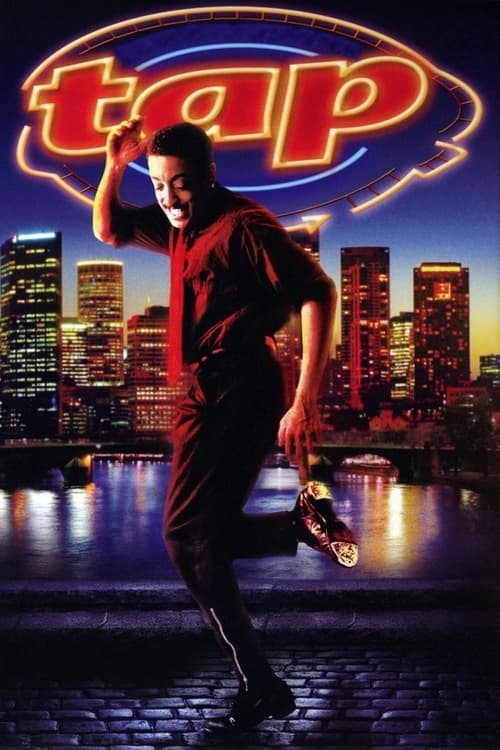
Hines was an avid improviser of tap steps, tap sounds, and tap rhythms alike. His improvisation was like that of a drummer, doing a solo and coming up with rhythms. He also improvised the phrasing of a number of tap steps, mainly to fit the unfolding sound. A laid-back dancer, he usually wore loose-fitting pants and a tighter shirt.
Although he inherited the roots of traditional black rhythmic tap, he also promoted contemporary black rhythmic tap. "He purposely obliterated the tempos," wrote tap historian Sally Sommer, "throwing down a cascade of taps like pebbles tossed across the floor. In that moment, he aligned tap with the latest free-form experiments in jazz and new music and postmodern dance."
Throughout his career, Hines wanted and continued to be an advocate for tap in America. He successfully petitioned the creation of National Tap Dance Day in May 1989, which is now celebrated in forty cities in the United States, as well as eight other nations. He was on the board of directors of Manhattan Tap, a member of the Jazz Tap Ensemble, and a member of the American Tap Dance Foundation, which was formerly called the American Tap Dance Orchestra.
In 1989, he created and hosted a PBS special called Gregory Hines' Tap Dance in America, which featured various tap dancers such as Savion Glover and Bunny Briggs.
In 1990, Hines visited his idol (and Tap co-star) Sammy Davis Jr., who was dying of throat cancer and was unable to speak. After Davis died, an emotional Hines spoke at Davis' funeral of how Davis made a gesture to him, "as if passing a basketball ... and I caught it." Hines spoke of how honored he had been that Davis thought that he could carry on from where Davis left off.
Through his teaching, he influenced tap dancers such as Savion Glover, Dianne Walker, Ted Levy, and Jane Goldberg. In an interview with The New York Times in 1988, Hines said that everything he did was influenced by his dancing: "my singing, my acting, my lovemaking, my being a parent."