Film career
Ramis left SCTV to pursue a film career and wrote a script with National Lampoon magazine's Douglas Kenney, which eventually became National Lampoon's Animal House. They were later joined by a third collaborator, Chris Miller. The 1978 film followed the struggle between a rowdy college fraternity house and the college dean. The film's humor was raunchy for its time. Animal House "broke all box-office records for comedies" and earned $141 million.
He also had a voice part as Zeke in the "So Beautiful & So Dangerous" segment of Heavy Metal in 1981.
Ramis next co-wrote the comedy Meatballs, starring Bill Murray. The movie was a commercial success and became the first of six film collaborations between Murray and Ramis. His third film and his directorial debut was Caddyshack, which he wrote with Kenney and Brian Doyle-Murray. It starred Chevy Chase, Rodney Dangerfield, Ted Knight, and Bill Murray. Like Ramis's previous two films, Caddyshack was a commercial success.
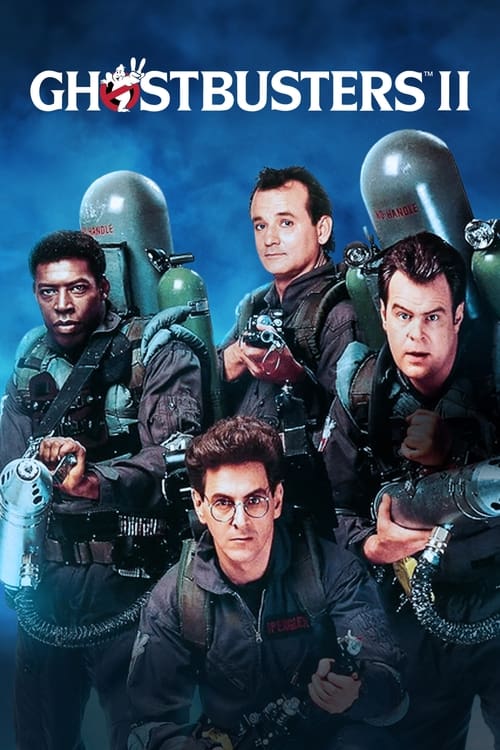
In 1982, Ramis was attached to direct the film adaptation of the Pulitzer Prize-winning book A Confederacy of Dunces by John Kennedy Toole. The film was to star John Belushi and Richard Pryor, but the project was abandoned. In 1984, Ramis collaborated with Dan Aykroyd on the screenplay for Ghostbusters, which became one of the biggest comedy hits of all time, in which he also starred as Dr. Egon Spengler. He reprised the role for the 1989 sequel, Ghostbusters II (which he also co-wrote with Aykroyd). His later film Groundhog Day has been called his "masterpiece".
His films have been noted for attacking "the smugness of institutional life…with an impish good [will] that is unmistakably American." They are also noted for "Ramis's signature tongue-in-cheek pep talks." Sloppiness and improv were also important aspects of his work. Ramis frequently depicted the qualities of "anger, curiosity, laziness, and woolly idealism" in "a hyper-articulate voice".
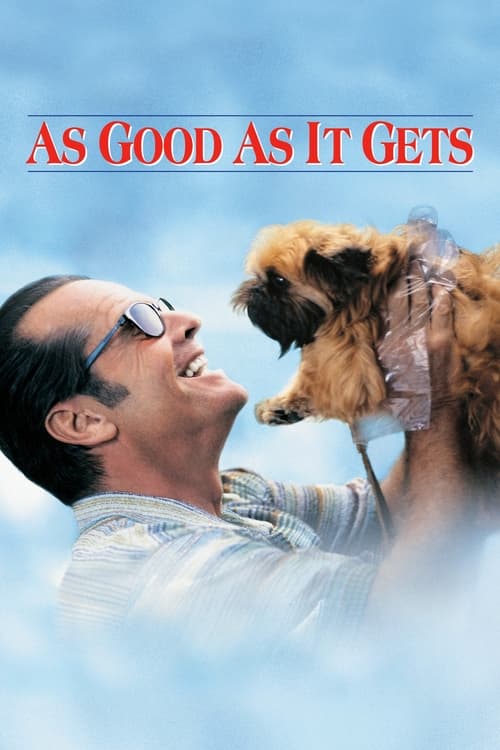
Ramis also occasionally acted in supporting roles in acclaimed films that he did not write or direct, such as James L. Brooks's Academy Award-winning As Good as It Gets (1997) and Judd Apatow's hit comedy Knocked Up (2007).
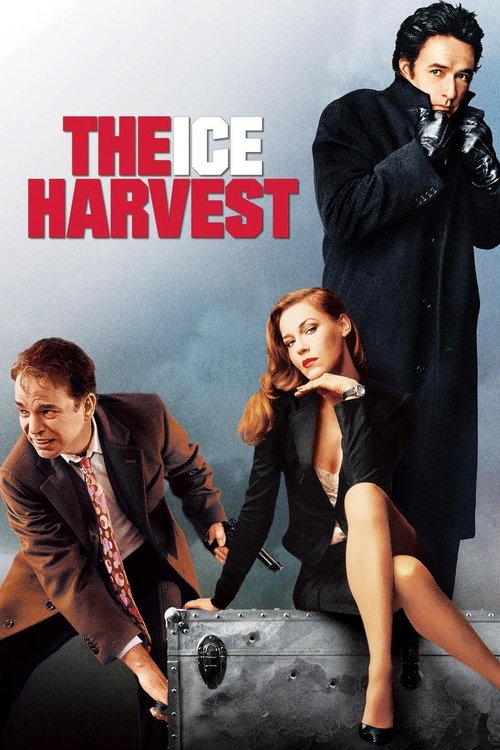
In 2004, Ramis turned down the opportunity to direct the Bernie Mac-Ashton Kutcher film Guess Who, then under the working title "The Dinner Party", because he considered it poorly written. That same year, he began filming the low-budget The Ice Harvest, "his first attempt to make a comic film noir." Ramis spent six weeks trying to get the film greenlit because he had difficulty reaching an agreement about stars John Cusack's and Billy Bob Thornton's salaries. The film received mixed reviews. In 2004, Ramis's typical directing fee was $5 million.
In an interview in the documentary American Storytellers, Ramis said he hoped to make a film about Emma Goldman (even pitching Disney with the idea of having Bette Midler star) but that none of the film studios were interested and that it would have been difficult to raise the funding.
Despite some hesitation about making sequels, Ramis consistently said that he was open to making a third Ghostbusters film, as long as the script was strong enough to honor the franchise. In 2009, he said that a third film was set for release either in mid-2011 or for Christmas 2012. A reboot to the franchise, also called Ghostbusters, was eventually made and released in 2016, directed and co-written by Paul Feig. In this film, a bronze bust of Ramis can be seen when Erin Gilbert leaves her office at Columbia University. Later, the second sequel to the original film, Ghostbusters: Afterlife, was released in 2021 and posthumously dedicated to him.