Work
Eustache was quoted as saying, "The films I made are as autobiographical as fiction can be". Besides his fictional shorts and features, Eustache made numerous documentaries, including several shot in his hometown of Pessac, and a feature-length interview with his grandmother.
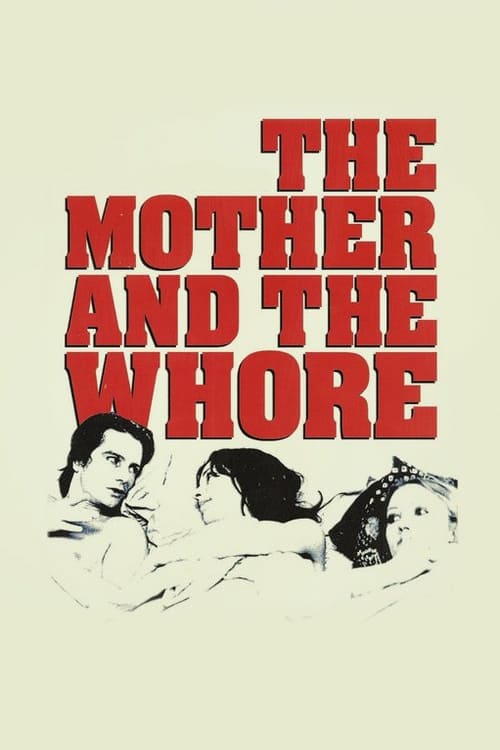
Eustache directed two narrative features. The Mother and the Whore (La maman et la putain), the first, is a 217-minute rumination on love, relationships, men and women. The film's central three-way romance plot focuses on Alexandre (Jean-Pierre Léaud), his girlfriend Marie (Bernadette Lafont) and the nurse he meets and falls in love with, Veronika (Françoise Lebrun).
Writing for Time Out New York in 1999, Andrew Johnston described his experience viewing the film: One of the great, if all-too-infrequent, pleasures of being a film critic is having your mind blown by a film you didn't expect much from. Such an incident occurred in December 1997, when I was assigned to review Jean Eustache's 1973 film The Mother and the Whore, then beginning a revival engagement at Film Forum. Yes, I'd heard that it was a classic of French cinema, but I wasn't exactly thrilled at catching an early-morning screening of a three-hour-and-thirty-five-minute black-and-white foreign-language film that reportedly consisted of little more than people sitting around and talking. Frankly, I was a lot more excited about seeing Scream 2 that evening. Little did I know, as I eased into my seat, that I was in for one of the most memorable cinematic experiences of my life.
Eustache's second feature, My Little Loves (Mes petites amoureuses, 1974), was intentionally different from his debut. Shot in color by cinematographer Nestor Almendros (as opposed to The Mother and the Whore's grainy black-and-white), the film also features significantly less dialogue and focuses on teenage characters in a rural setting. The film was entered into the 9th Moscow International Film Festival.
Eustache appeared as an actor in The American Friend (1977).