Keishi Ōtomo (Japanese: 大友啓史, Hepburn: Ōtomo Keishi; born May 6, 1966) is a Japanese film director and screenwriter. He is known for psychological thrillers and historical dramas, as well as adapting a variety of manga and novels to film, including The Vulture (2009), Ryōmaden (2010), and the Rurouni Kenshin film series. Ōtomo’s awards include the Audience Award at the 18th Fantasia International Film Festival in Montreal (2014), the Popularity Award at the 38th Japanese Academy Awards (2014), and Best Director at the 31st Japanese Critics Award (2022).
Contents
Early life
Ōtomo was born on May 6, 1966, in Morioka City, Iwate Prefecture, Japan. He graduated from Morioka First High School before moving to Tokyo in 1986 to study at the Faculty of Law at Keio University. After graduation in 1990, he joined the Japanese public television network NHK where he was assigned to their Akita Broadcasting Station as a director.
Career
1990-1999: Early directing
In addition to producing documentaries for national broadcast, From 1990 to 1994, Ōtomo was director for a variety of TV programs, including a number of regional shows aimed at teen audiences. These included the long-running singing contest NHK Nodo Jiman and High School Baseball Live . He was transferred to the Drama Programming Department from 1994, a move which enabled him to focus more on storytelling.
In 1997, NHK granted Ōtomo a 2-year sabbatical to study directing and scriptwriting in Los Angeles, California. During this time, he took courses at several educational institutions, including the University of Southern California. When not in classes, he worked as an on-set crew member on various Hollywood productions, where he gained a valuable understanding of the US commercial film-making industry.
1999-2010: Drama works and critical success
In 1999, Ōtomo returned to Japan to join NHK’s Division 2 Drama Department. He directed many dramas during his tenure there, including the highly acclaimed Churasan, the 64th Serial TV Novel. The series boasted an average viewer rating of 22.2% and ran for an unprecedented 4 seasons.
In 2007, Ōtomo directed the action-packed corporate thriller TV series The Vulture (Hagetaka) starring Nao Ōmori. The film deftly reflected the financial shock and the growing public mistrust at the time and won numerous national and international awards the same year, including the prestigious international Prix Italia.
Following this critical success, Ōtomo moved into films full-time, making his directorial debut with a film version of The Vulture, released in 2009 as a sequel to the TV drama. He won an Asian Television Award for Encouragement in 2009 for his work on Shirasu Jiro, a biographical adaptation about Jiro Shirasu, who played an active role in the reconstruction of Japan during the West’s occupation after World War II.
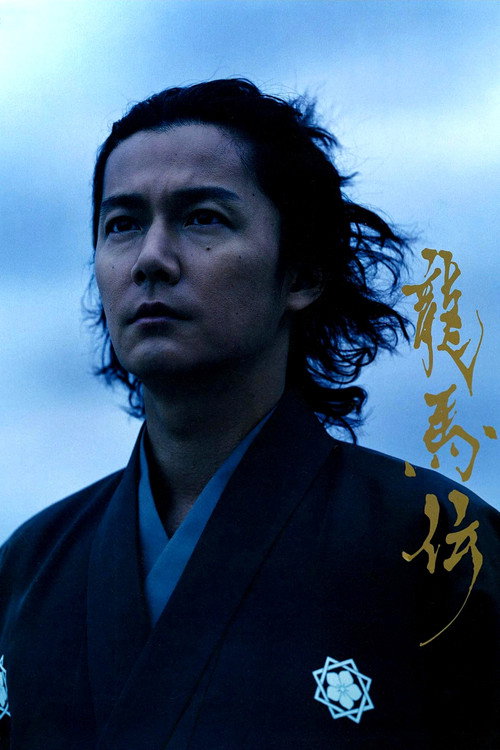
In 2010, he became the youngest Chief Director in NHK's history, and directed the 49th annual Taiga drama series, Ryōmaden. Ryōmaden won many accolades and is considered one of the most successful series to date, renewing the image of historical dramas by its innovative approaches of meticulous modern film making, which deftly incorporated the use of long takes and pursued painstaking realism in character design.
2011-present: Rurouni Kenshin and wider acclaim
On April 30, 2011, after more than a decade as a successful television and film director, Ōtomo left NHK and established his own film company, Keishi Otomo & Co, the following month.
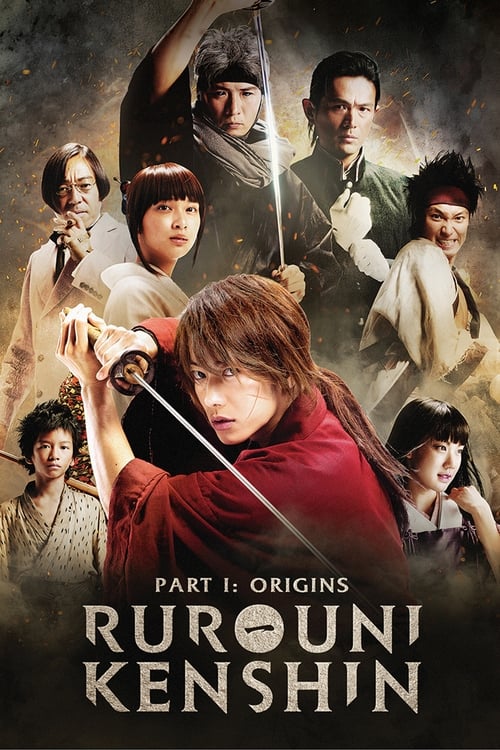
Several months later, in August 2011, Ōtomo signed a 3-film directing deal with Warner Bros. Japan, becoming the first Japanese director to receive such a large multi-picture deal. The first of these films, Rurouni Kenshin, based on the popular manga series of the same name, was theatrically released on August 25, 2012, in Japan. With its period setting, intricate plot (based on the popular manga series), and unusual degree of high-speed action, film captivated audiences, going on to gross $36 million domestically. The film was also well received internationally, and was invited to screen at the Busan International Film Festival, which included a Q&A with the lead actor, Takeru Sato. The film went on to be shown in 64 countries and 2 territories worldwide, grossing over $60 million internationally.
In 2013, Ōtomo directed Platinum Data, a cautionary mystery-thriller about overreliance on DNA analysis in investigations, set in the near future. Released by Toho, the film recorded the highest first-day advance ticket sales of any Toho film to date at the time (103,655 tickets) and grossed 2.7 billion yen ($26.1 million) in Japan.
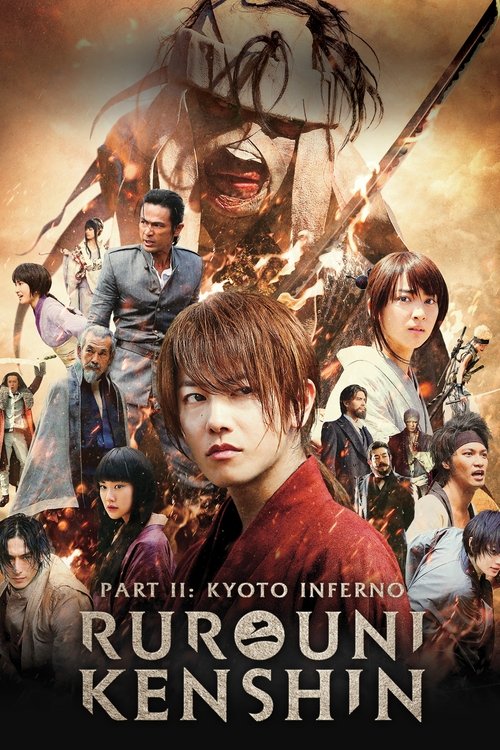
The following year, Ōtomo directed 2 much-anticipated sequels to Rurouni Kenshin, produced back-to-back. The first sequel, Rurouni Kenshin: Kyoto Inferno, was released domestically on August 1, 2014, becoming the most popular live-action film of the year and cementing the series as one of the most successful film franchises in Japan. The third film, Rurouni Kenshin: The Legend Ends followed shortly after on September 13, 2014. The 2 films were both commercial hits, grossing 5.25 billion yen ($52.9 million) and 4.39 billion yen ($44 million) respectively. As with the first film, both were also critical successes, winning awards at film festivals in Japan and abroad, including the Audience Award at the 18th Fantasia International Film Festival and the Popularity Award at the 38th Japan Academy Film Prize.In August of the same year, the Asian premiere was held at the "SM MEGA MALL" shopping center in the center of Manila, Philippines, and was attended by approximately 11,000 local fans over the course of two days and was screened in 64 countries around the world, including Asia and Europe.
Filmography
Films
Rurouni Kenshin live-action film series
Rurouni Kenshin, 2012 (also as scriptwriter)
Rurouni Kenshin: Kyoto Inferno, 2014 (also as scriptwriter)
Rurouni Kenshin: The Legend Ends, 2014 (also as scriptwriter)
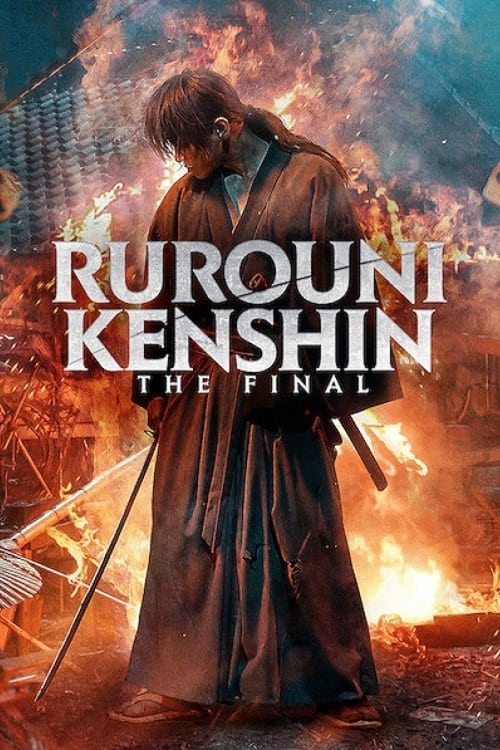
Rurouni Kenshin: The Final, 2021 (also as scriptwriter)
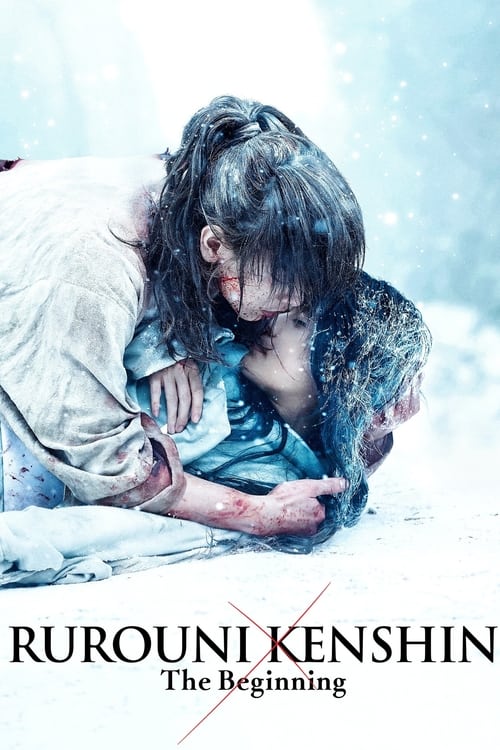
Rurouni Kenshin: The Beginning, 2021 (also as scriptwriter)
Hagetaka (The Vulture), 2009
Platinum Data, 2013
Museum, 2016
The Top Secret: Murder in Mind, 2016 (also as scriptwriter)
March Comes In like a Lion/March Comes In Like a Lamb, 2017 (also as scriptwriter)
Million Dollar Man, 2018 (also as scriptwriter)
Beneath the Shadow, 2020
The Legend and Butterfly, 2023
Hero's Island, 2025
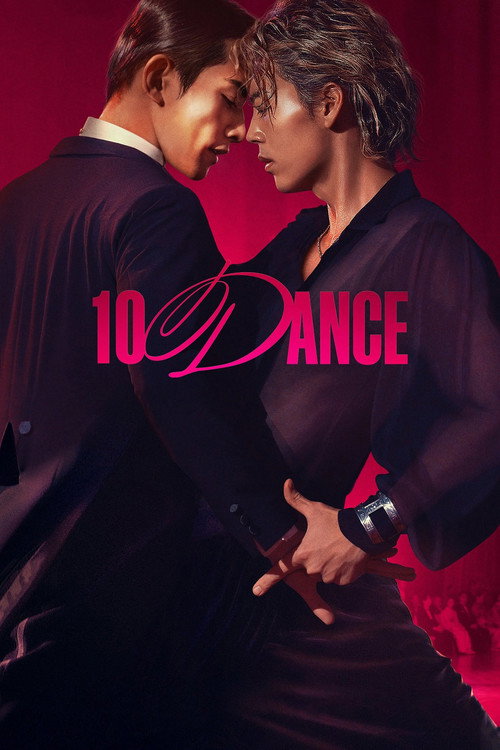
10Dance, 2025
Television series
Hideyoshi (NHK, 1996)
Churasan (NHK, 2001)
Hagetaka: Road to Rebirth (NHK, 2007)
Shirasu Jiro (NHK, 2009)
Ryōmaden (NHK, 2010)
Video Games
Rise of The Rōnin, 2024 (Opening and Real-Time Cinematics Director)
Awards and recognition
Hagetaka (2007)
59th Italian Awards for Best Series Drama
The 33rd Hoso Bunka Foundation Award, Main Prize (Program Category, TV Drama Program)
Asian Television Awards 2007, Grand Prize in the Series Drama Category
44th Galaxy Award for Excellence
My Best TV Award Grand Prix
32nd Hélandres Award for Best Film, TV Guide Award
Special Mosfilm Award at the 32nd Golden Chest International Television Festival
Shirasu Jiro (2009)
Award of Excellence, 64th Japan Arts Festival
Asian Television Awards 2009, Jury's Encouragement Award, Series Drama Division
Ryomaden (2010)
Tokyo Drama Award 2010 Excellence Prize
2011 Hélandres Award for Best Film
The 1st Location Japan Grand Prize
37th Hoso Bunka Foundation Award for Excellence (Program Division TV Drama Program)
Teamwork of the Year (Sponsored by the Logical Teamwork Committee)
Rurouni Kenshin (2012)