Li Yu (Chinese: 李玉, born December 2, 1973) is a Chinese female film director and screenwriter. Li began her career in entertainment at a young age, serving as a presenter at a local TV station. After college, she worked for CCTV, where she directed television programs before moving on to documentaries and feature films.
Contents
Directorial career
Li's first feature film, Fish and Elephant, debuted in 2001. It is purportedly the first mainland Chinese feature to address the subject of lesbianism. The film encountered issues during limited international screenings and was largely unseen by mainland Chinese audiences.
Her next film, Dam Street, faced fewer problems and garnered Li the Golden Lotus at the specialty Deauville Asian Film Festival in 2006.
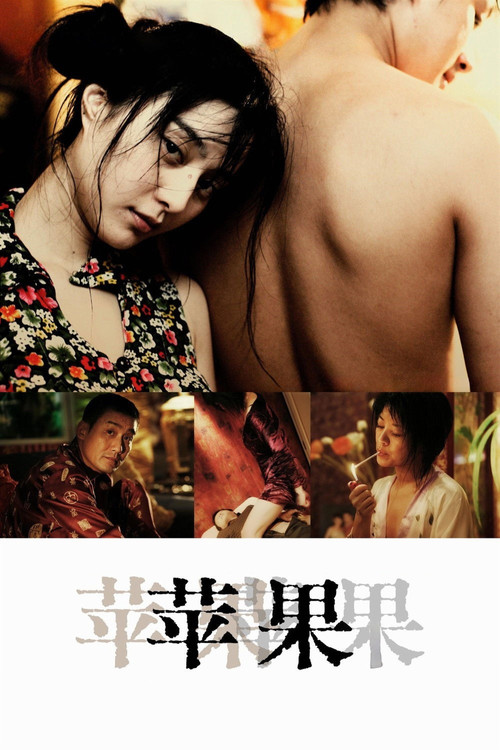
In 2007, Li Yu's most high-profile film yet, Lost in Beijing, premiered at the 2007 Berlin International Film Festival. The result was over a year of controversy with the Chinese Film Bureau over both the appropriateness of that screening and the content of the film. Though briefly screened in a heavily edited state, the film was eventually banned outright, though it received limited releases abroad, including in the United States.
In 2010, Li Yu's coming-of-age film Buddha Mountain won the Award for Best Artistic Contribution at the 23rd Tokyo International Film Festival.
From being the host of a local channel station to a documentary director at CCTV, Li Yu was never satisfied with her career. Her documentary filmmaking style was known for making people uncomfortable, prompting her to turn one of her stories into a movie. However, she struggled to find a sponsor for her project and eventually decided to sell her house to invest in it herself. This decision led to her first movie, "Fish and Elephant".