Relocation to Mexico
Between January and February 1946, Lamarque appeared in her first tour of Cuba, which was listed as the artistic event of the season. On 7 January, she debuted in the Teatro América with a varied repertoire, but closed the show with "Facundo" by Cuban composer Eliseo Grenet to much applause. She performed shows daily, sometimes twice a day and on her final performance at Teatro América, 20 January, she held three performances. She performed at Camagüey, Ciego de Ávila, Santa Clara, Holguín, and Santiago de Cuba; visited hospitals and schools; and her farewell performance at the Municipal Amphitheatre of Havana was said to have been attended by 20,000 fans. It was on this trip that the Cuban press first dubbed her "America's Sweetheart."
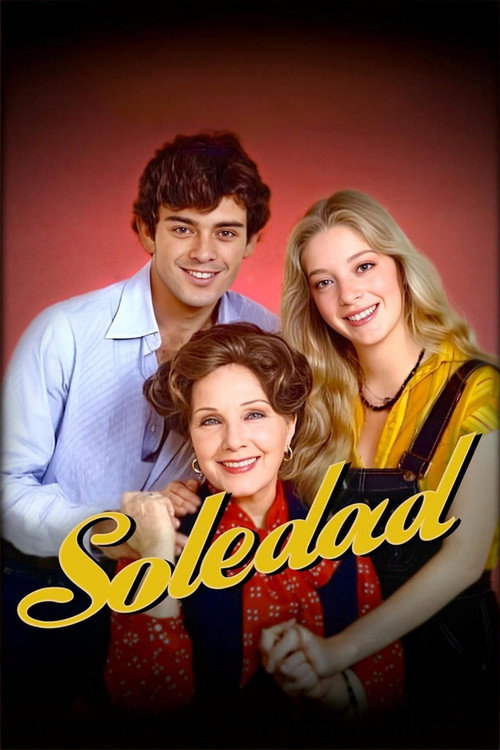
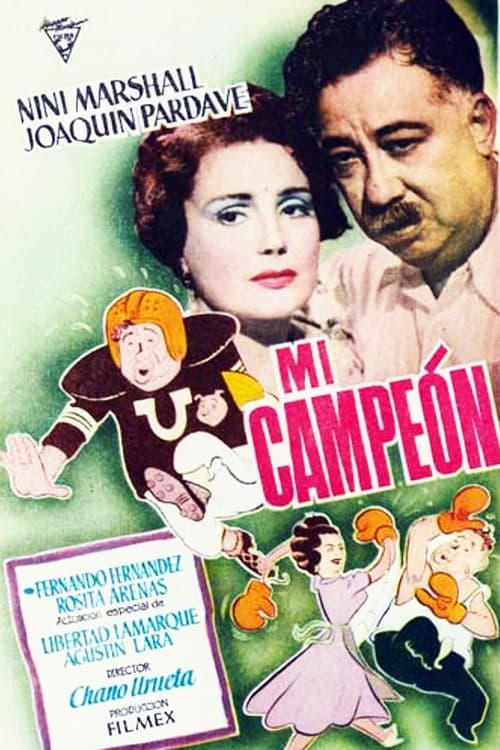
Just before the Cuban trip, Hollywood had offered Lamarque a seven-year contract but she refused it as she did not speak English and was afraid she would be taken advantage of. Despite her fears of working in the U.S., Lamarque sold out Carnegie Hall for a 1947 performance. When Mexico, on the other hand, offered her a picture deal to appear with legendary Spanish filmmaker Luis Buñuel, she agreed, and moved to Mexico in 1946. The picture, Gran Casino, co-starring Jorge Negrete was a flop, but other roles followed, such as Soledad (1947), La dama del velo (1948), Huellas de un pasado (1950), Mujeres sin lágrimas (1951), Nunca es tarde para amar (1952), Ansiedad (1952), and Rostros olvidados (1952). Some of her best work during this period was in Otra primavera, filmed in 1949, La loca (1951) and Cuando me vaya (1953); for each of these she was nominated for an Ariel Award for Best Actress in 1951, 1953, and 1955, respectively.
Some of her last movies included Bodas de oro (1955), Amor de sombra (1959), Yo pecador (1959), Rosas blancas para mi hermana negra (1969), with Cuban singer Eusebia Cosme and her last two Argentine films, La sonrisa de mamá (1972) and La mamá de la novia (1978). But as she wound down her movie career, she began touring with music again. In the late 1950s, she did a concert tour with Puerto Rican singer Jesús Quiñones Ledesma and worked in Chile, Puerto Rico, Venezuela, Dominican Republic, Guatemala, El Salvador, Honduras and returned to Cuba to do theater and record several albums.
She returned to Argentina after Evita's death and was the first person to bring a Spanish version of Hello Dolly to Latin audiences at a 1967 performance at the Teatro Nacional in Buenos Aires, which she also later performed in Mexico in 1968 staged by Manolo Fabregás.
In 1982, she starred in the musical revue, Libertad Lamarque, ¿es una mujer de suerte? at the Teatro Lola Membrives in Buenos Aires. She wrote the script, which was adapted by Nicolás Carreras under the musical direction of Oscar Cardozo Ocampo. In 1988, Lamarque participated in the season at Mar del Plata's Teatro Opera with the musical A todo tango II under the direction of José Colángelo.
In the 1960s she appeared in several episodes of a television show called Saturday Circular with Nicholas Mancera and in 1961, she filmed Así era mi madre, her only Spanish film. Her first venture into soap operas came in Venezuela, when she was offered a role in Esmeralda in 1972. That was followed by another Venezuelan production called Mamá.
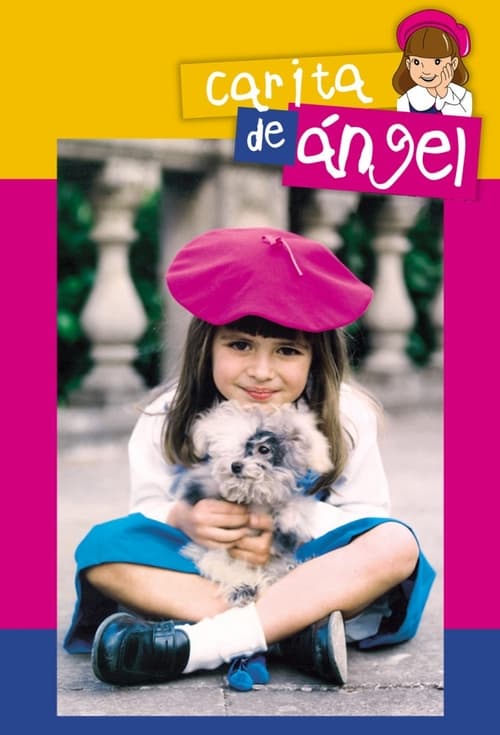
In 1980, she began the first of her Mexican telenovelas, Soledad, followed by her role in Carita de Angel at the age of 91 where she played a Mother superior. Her last role, as la abuela Piedad in La Usurpadora (The Usurper) was in 1998 – two years before her death.
Lamarque received an award in 1978 from Venezuelan President Carlos Andres Perez for her contributions to Latin American culture and in 1980 she shared a Critic's Choice Award with María Félix. In 1985, she received the Konex Platinum Award for Best Tango Singer in Argentina. In 1988, she put her hand prints on the "Walk of Fame of the Hermitage Hotel".
In 1989, she was honored at the Festival of San Sebastián, Spain, for her film achievements and was recognized by the Caesar Awards given by the Association of American theater to Latin American artists in Los Angeles. That same year, a tile bearing her name was placed in the "Sidewalk of Latin Stars" in Miami and a tribute was held for her at the Autumn Festival of Paris.
She was appointed "Illustrious citizen of the city of Buenos Aires" in 1990 and on 15 November 1991, a few days before her birthday, the Municipal Council of Rosario granted her a similar distinction. Lamarque was honored in 1993 by Celebrando Magazine, a Spanish-language publication which is nationally distributed in the U.S., for her 70 years in film, theater and music and her philanthropy.
In 1998, she was appointed as Honorary Cultural Advisor and designated as a Cultural Legend in Buenos Aires.