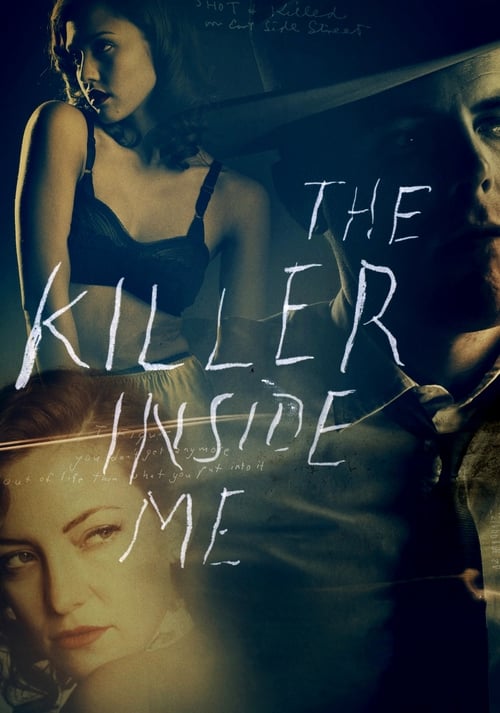
2000s
Winterbottom's biggest-budgeted film up to that point, at $20 million, his 2000 film The Claim was an adaptation of Thomas Hardy's The Mayor of Casterbridge set in 1860s California. Shot in the wilds of Canada, it was not a financial success and proved an ordeal to make, with Winterbottom himself getting frostbite. Many of the production difficulties, including unsuccessful attempts to cast Madonna, were explained to the public on the film's unusually frank official website.
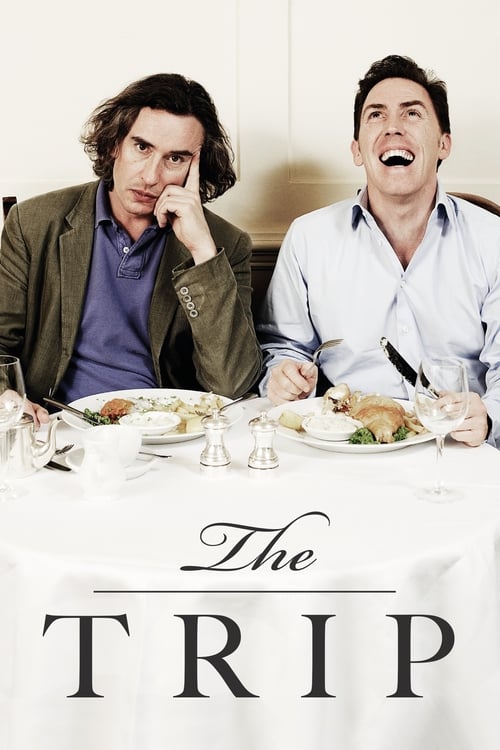
24 Hour Party People, released in 2001, documents the anarchic, drug and sex-fueled rise and fall of Factory Records and the music scene in Manchester from the late 1970s to the mid-1990s. It would be the first of many collaborations between Winterbottom and actor Steve Coogan, who starred as broadcaster/music-mogul Tony Wilson.
His 2002 film In This World depicts the journey of two Afghan refugees from Pakistan, across the Middle East and Europe to Britain, which they try to enter with the help of people smugglers. Shot on digital video at a cost of $2 million, it featured non-professional actors and brought Winterbottom numerous awards, including a Golden Bear and a BAFTA for best film not in the English language.
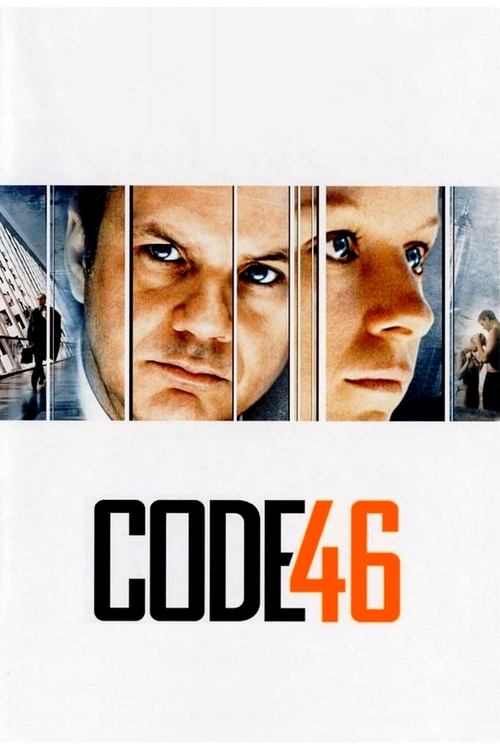
Code 46, released in 2003, is a sci-fi retelling of the Oedipus myth, in a world where cloning has created people so interrelated that strict laws (the Code 46 of the title) govern human reproduction. The romantic mystery film starred Tim Robbins and Samantha Morton. It was shot in Shanghai, Dubai and Rajasthan, which were mixed to create a futuristic multi-ethnic culture.
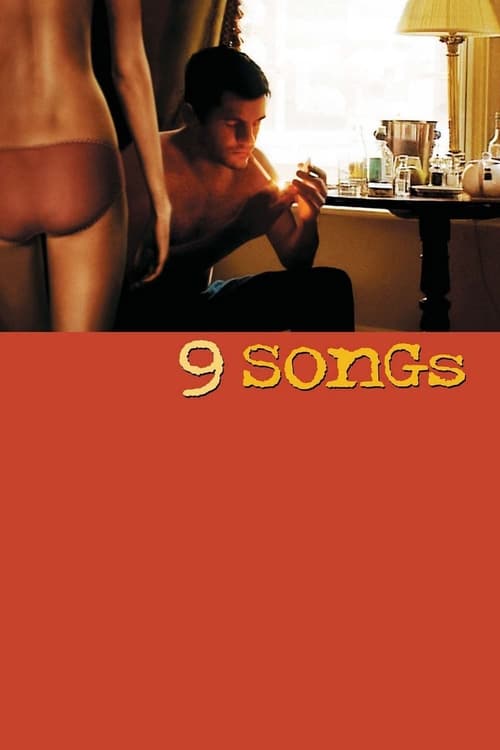
2004's 9 Songs gained attention as the most sexually explicit film ever to receive a certificate for general release in the UK. It charts a year-long relationship between two lovers, almost exclusively through their sexual interaction and various rock concerts the couple attend. The film became notorious in the UK for its candid scenes of unsimulated sex between the leads, Kieran O'Brien and Margo Stilley.
His 2005 film A Cock and Bull Story, released in the United States and Australia as Tristram Shandy: A Cock and Bull Story, is an adaptation of the famously "unfilmable" The Life and Opinions of Tristram Shandy, Gentleman, an early novel. The film is a faux documentary about the making of a film of Tristram Shandy. Steve Coogan stars as himself and as Shandy. The film marked the end of Winterbottom's lengthy collaboration with Frank Cottrell Boyce, who chose to be credited under the pseudonym Martin Hardy.
The Road to Guantanamo is a 2006 docu-drama about the "Tipton Three", three British Muslims captured by US forces in Afghanistan who spent two years as prisoners at the Guantanamo Bay detention camp as alleged enemy combatants. It was shot in Afghanistan, Pakistan, and Iran (which doubled for Cuba) in the autumn of 2005. It premiered at the Berlinale on 14 February 2006. It debuted in the UK on television, on 9 March, as it was co-financed by Channel 4.
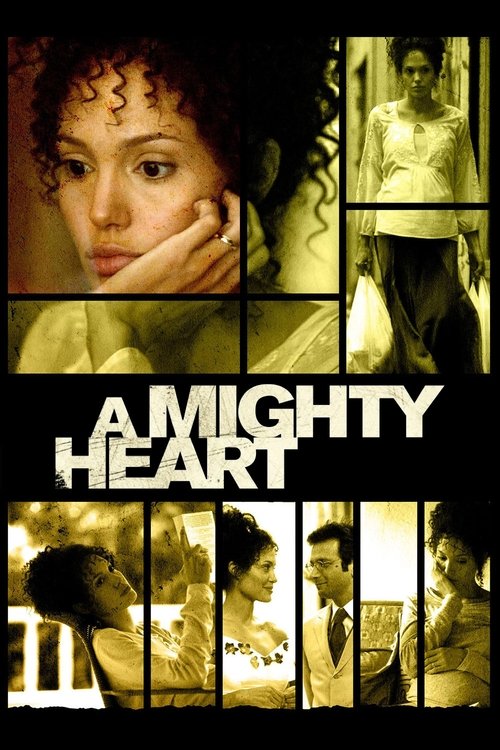
2007's A Mighty Heart is based on the book by Mariane Pearl, wife of murdered journalist Daniel Pearl. The film stars Angelina Jolie and focuses on the pregnant Mariane's search for her missing husband in Pakistan in 2002. Produced by Jolie's then-partner Brad Pitt, it was shot in the autumn of 2006 in India, Pakistan and France and premiered out of competition at the 2007 Cannes Film Festival on 21 May 2007.
In 2008, his film Genova was released, a family drama about an Englishman, played by Colin Firth, who moves his two American daughters to Italy following the death of his wife. Once there, the oldest girl starts exploring her sexuality, while the younger girl begins to see the ghost of her mother. It co-stars Catherine Keener and Hope Davis and was filmed in the titular city of Genoa, Italy, during the summer of 2007.
In 2009, Winterbottom was reunited with his The Road to Guantanamo co-director Mat Whitecross on a documentary based on Naomi Klein's bestselling book The Shock Doctrine. The film follows the use of upheavals and disasters by various governments as a cover for the implementation of free market economic policies that benefit only an elite few. Klein at first disowned the film after learning that it would be composed almost entirely of period footage and narration, with virtually no interview material with sources. The film premiered at the 2009 Berlin Film Festival and aired in the UK on Channel 4's More4 documentary channel on 1 September 2009. It made its American premiere at the 2010 Sundance Film Festival, alongside Winterbottom's following film. At the festival, Klein, who had reconciled herself with the filmmakers' approach, participated in a Q&A with Winterbottom and Whitecross.