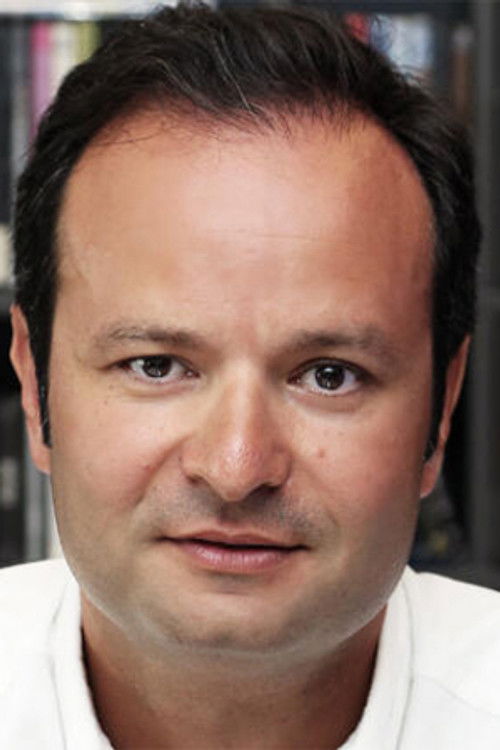
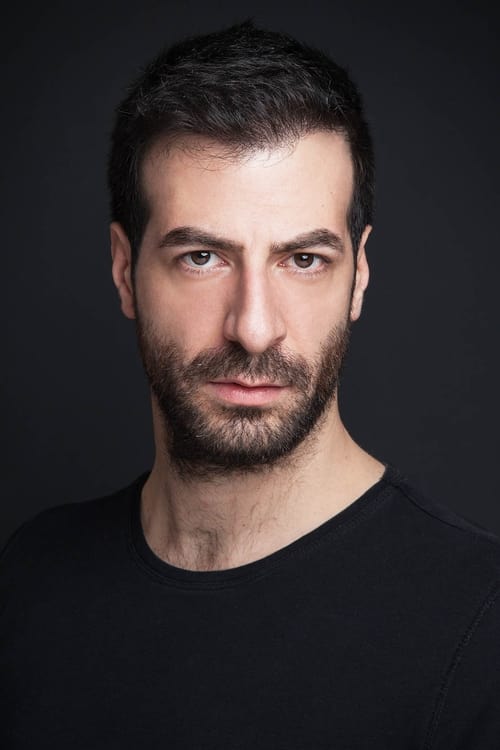
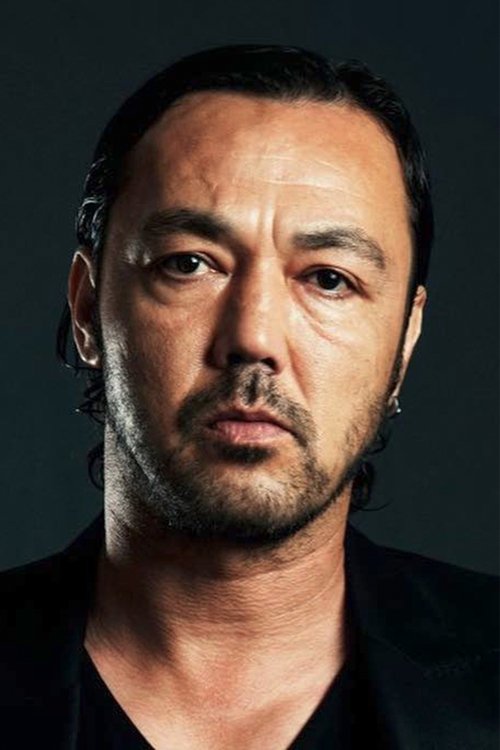
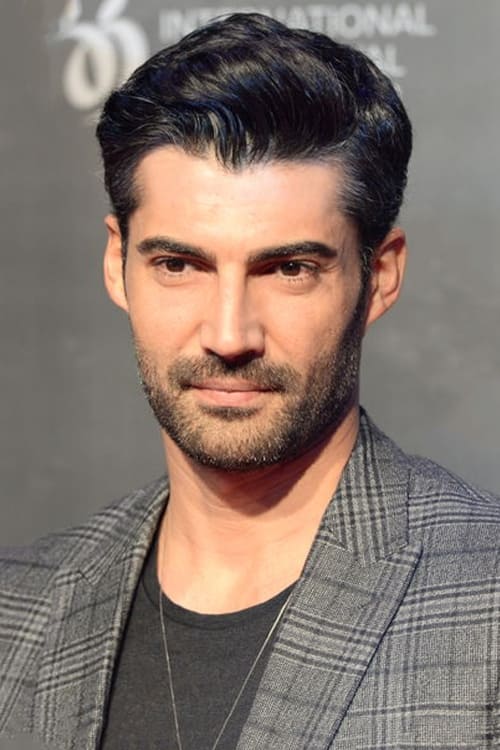
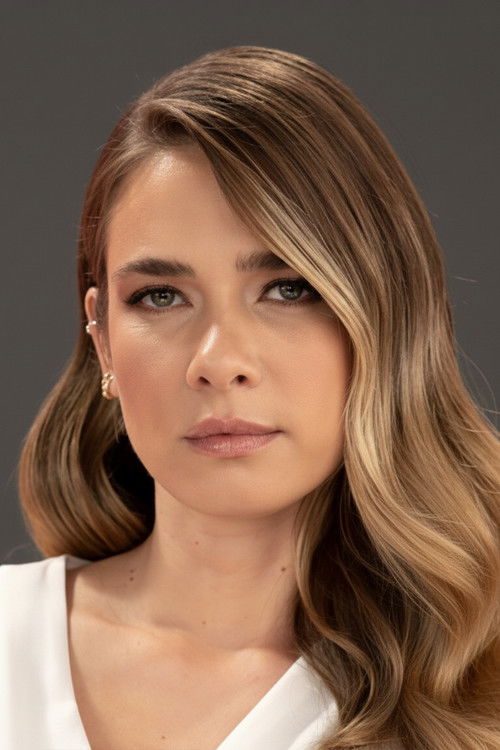
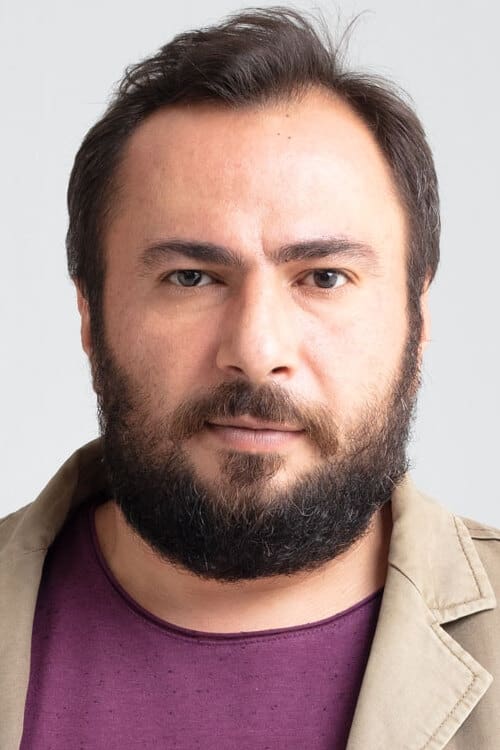
Muhteşem Yüzyıl: Kösem (Turkish pronunciation: [muhteˈʃæm ˈjyzjɯl cøˈsæm], lit. 'Magnificent Century: Kösem') is a Turkish television sequel to the 2011 Turkish television period drama, Muhteşem Yüzyıl. Written by Yılmaz Şahin, it recounts the life of Mahpeyker Kösem Sultan, one of the most powerful women in Ottoman history who was part of the Sultanate of Women. Actresses Nurgül Yeşilçay, Beren Saat and Anastasia Tsilimpiou played the title role in three different ages of her life, while actors Ekin Koç, Boran Kuzum, Taner Ölmez, Metin Akdülger and Tugay Mercan were cast as different sultans of the Ottoman dynasty. Also in the starring cast were actresses Hülya Avşar, Tülin Özen, Leyla Feray, Farah Zeynep Abdullah, Aslıhan Gürbüz and Hande Doğandemir, who played prominent roles of different sultanas in the series.
The first few episodes of the series were filmed in Chios, Greece. An excerpt of the show was screened in Cannes, France, at the annual international television festival MIPCOM about a month before its official premiere on Star TV on November 12, 2015. It was later transferred to FOX for its second season. Since its broadcast, Muhteşem Yüzyıl: Kösem has been aired in several countries.
Its final episode aired on 27 June 2017. The series' finale marked the end of the six-year Muhteşem Yüzyıl saga.
Contents
Synopsis
The series follows the life of Kösem Sultan, the most powerful and influential woman in the Ottoman Empire. It chronicles her journey from being brought as a slave into the Imperial harem of Ahmed I, through her rise to power and influence as Haseki Sultan, to becoming a formidable ruler who dominated the Ottoman Empire as Valide Sultan and Naib i Sultanat during the reigns of her sons Murad IV and Ibrahim, and her grandson Mehmed IV.
The first season chronicles the transition of the Ottoman throne to the young Sultan Ahmed I and the subsequent arrival of Anastasia to the Topkapı Palace harem. Initially a reluctant captive gifted by Ahmed’s grandmother, Safiye Sultan, Anastasia gradually falls in love with the Sultan. Following her conversion to Islam, she takes the name Mahpeyker, and eventually Kösem ("the leader").
The central conflict of the early season revolves around the political machinations of the veteran Safiye Sultan, who seeks to retain her grip on power against the newly appointed Valide Sultan, Handan, and Ahmed's step mother, Halime Sultan . Kösem secures her position by successfully defending Ahmed during political crises, a smallpox epidemic, and multiple assassination attempts. She eventually banishes Safiye Sultan to the Old Palace, consolidating her own authority within the harem.
The latter half of the season highlights the brutal realities of the Ottoman law of fratricide. In the show , Ahmed breaks traditional protocol by sparing his psychologically unstable brother, Mustafa, a decision that creates ongoing political vulnerability.The dynamic changes permanently during a violent palace coup orchestrated by Safiye Sultan, who attempts to enthrone the young Şehzade Mustafa. During the chaotic siege of the Topkapı Palace, rebel forces storm the harem. In the ensuing violence, Mahfiruze Hatun(the first consort of Ahmed I) is tragically killed while trying to shield her infant son, Osman(later Sultan Osman II).Following Mahfiruze's death, Kösem takes the orphaned Prince Osman under her wing. She raises him alongside her own biological children, forming a deep maternal bond with the future Sultan. With Mahfiruze gone, Handan Sultan deceased, and Safiye Sultan eventually neutralized and banished to the Old Palace, Kösem consolidates absolute authority over the harem as Ahmed's undisputed favourite and chief consort (Haseki Sultan).
Years later,Following Sultan Ahmed's untimely death from illness, Kösem makes a historic political maneuver: she alters the succession laws to introduce seniority (ekberiyet), allowing Ahmed's mentally unstable brother, Mustafa I , to ascend the throne to protect all the young princes from execution.Mustafa's mental instability renders him unfit to rule, leading to a series of swift enthronements and depositions orchestrated by factional palace alliances. Ahmed’s eldest son, Osman II, eventually takes the throne. Despite his initial closeness to Kösem, political manipulation drives a wedge between them, leading Osman to banish her and execute her eldest son, Şehzade Mehmed (Kosem's firstborn biological son). Osman’s subsequent attempts to reform the military trigger a violent Janissary revolt. The season concludes with the brutal deposition and regicide of Sultan Osman II by Halime Sultan's faction, followed by a counter-coup led by Kösem that eliminates her rivals and establishes her as the official Naibe-i Saltanat (Regent) for her young son, Murad IV.
SEASON 2
The second season begins after a significant time-skip, focusing on the mature reign of Sultan Murad IV and his fierce struggle to reclaim absolute authority from his mother. Having ruled as Regent for over a decade during Murad's minority, Kösem Sultan has become deeply entrenched in state bureaucracy and refuses to relinquish political control.
Murad IV emerges as a strict, iron-fisted ruler determined to curb corruption, suppress internal rebellions, and defeat the Safavid Empire. He strips his mother of her official regency and bans alcohol, tobacco, and coffee assemblies across the empire to prevent political sedition. This creates a bitter ideological rift: Kösem prioritizes the preservation of the dynasty through palace diplomacy and protecting her remaining sons (Ibrahim and Kasım) while Murad prioritizes absolute state authority and military dominance, executing any who challenge his word.
The internal family warfare reaches a tragic peak when Murad orders the execution of his brother, Şehzade Kasım, devastating Kösem.He also executes Şehzade Bayezid (the step son of Kosem Sultan) and son of Gulbahar Sultana (a fictional consort of Ahmed I loosely inspired from Mahfiruze Hatun).Kosem tries to remove Murad from throne hence he On his deathbed, a desperate Murad commands the execution of Ibrahim to end the imperial line, intending to pass the throne to the Khan of Crimea . Kösem successfully hides Ibrahim and stops the execution squad by the help of Kemankeş Kara Mustafa Pasha. Murad succumbs to his illness and dies.
Following the death of Murad IV, his only surviving brother,Ibrahim I , ascends the throne. Having spent his youth confined in the Kafes (the restricted palace quarters) under constant fear of execution, Ibrahim is psychologically fragile and deeply unstable. Kösem Sultan steps in once again as the de facto ruler, assuming the role of Valide Sultan to manage the crumbling state affairs.
Initially, Kösem encourages Ibrahim's distractions with his harem and eccentric obsessions to keep his focus away from state administration. However, Ibrahim’s erratic behavior rapidly escalates. His rule is marked by severe economic mismanagement, heavy taxation, and the growing influence of his concubines and corrupt palace favorites, who begin to sideline Kösem.widespread public unrest, Kösem realizes Ibrahim is a threat to the survival of the Ottoman dynasty. In 1648, after Ibrahim banishes his mother from the palace, Kösem forms a strategic alliance with the Grand Vizier and the Janissary leadership. She gives her official consent to a palace coup, resulting in Ibrahim being deposed, imprisoned, and subsequently strangled to death.