Filming
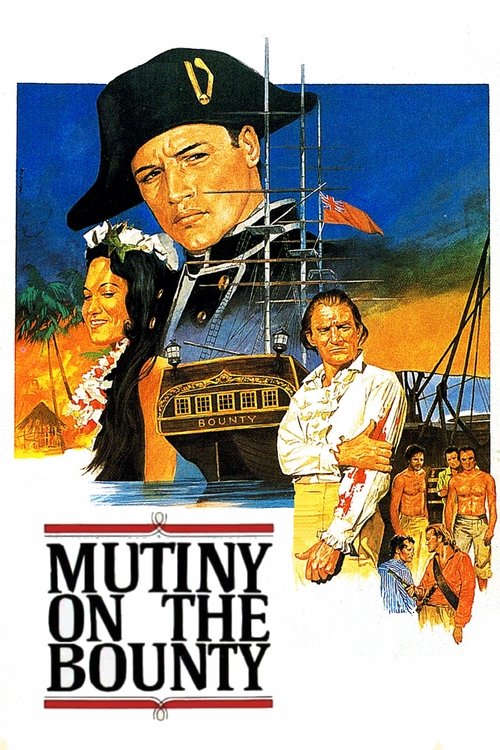
A working replica of the Bounty was constructed in Nova Scotia at a cost of $750,000 and was sailed to Tahiti. The ship took nine months to build rather than the scheduled six and arrived in Tahiti after filming had begun. Shooting was originally scheduled to begin in October 1960; however, problems with the script and delays in construction of the ship pushed it back until November. More than 150 members of the cast and crew arrived in Tahiti, and MGM rented over 200 hotel rooms.
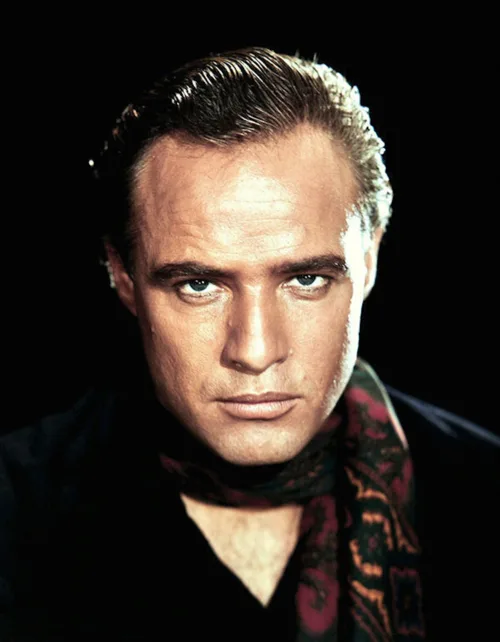
Shooting commenced on November 28. Filming was difficult, partly because the script was being rewritten and Brando was reportedly ad-libbing much of his part. Production costs were also high due to the remote location. Despite the ongoing changes to the script and the production's financial and logistical problems, Brando later wrote about how much he enjoyed the island and his interactions with its native people:From the moment I saw it, reality surpassed even my fantasies about Tahiti, and I had some of the best times of my life making Mutiny on the Bounty. The filming was done largely on a replica of H.M.S. Bounty anchored offshore, and every day as soon as the director said, "Cut" for the last time, I ripped off my British naval officer's uniform and dove off the ship into the bay to swim with the Tahitian extras working on the movie. Often we only did two or three shots a day, which left me hours to enjoy their company, and I grew to love them for their love of life.
In January 1961, after three months of filming, Reed flew back from location with an "undisclosed ailment". Reportedly, his departure was due to bouts with gallstones and heat stroke, although other reports stated that Reed was instead unhappy over differences with the direction of the story. By that time, the rainy season had arrived, so filming halted and the unit returned to Hollywood.
Reed's wife, Penelope Dudley-Ward, wrote to her cousin David Birkin from the Beverly Wilshire Hotel on February 25:
Poor Carol is going through such agony here (mental this time) with this film. They put tremendous pressure on him to start shooting - much against his will - before the script was anything like completed (because the company was committed with contracts), and now, after three months shooting, the last quarter of the film is still not written, nor is the beginning. All the top people - the heads of the studio, the producer, the New York office - are quarrelling among themselves and in a panic from their own inefficiency - and now they are all starting to blame Carol for being slow! The poor thing is setting up the camera before he even knows what he's going to shoot that day! There is a big meeting at the studio this morning (Saturday) so perhaps he'll get the sack, and then we'll come home, and that will be wonderful. [...] Poor Carol, he has been so tactful with them all, and has done such a marvellous job so far, as no one else could have done, under the most difficult and trying circumstances."
When MGM demanded that Reed finish the film within 100 days, the director replied that he needed 139, so the studio fired him. Brando claims in his memoirs that Reed was dismissed by MGM because he wanted to make Bligh the hero.
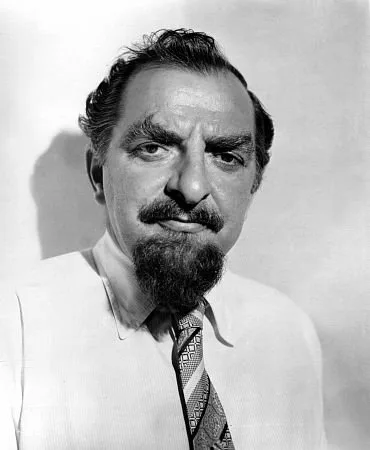
Reed was replaced by Lewis Milestone, in what turned out to be his last job at directing a theatrical film. "Reed was used to making his own pictures", said Milestone. "He was not used to producer, studio and star interference. But those of us who have been around Hollywood are like alley cats. We know this style. We know how to survive."
Milestone later said, "I felt it would be an easy assignment because they'd been on it for months and there surely couldn't be much left to do." However, Milestone then discovered that only one seven-minute scene (Bligh giving instructions about obtaining breadfruit) had been completed.
In March 1961, filming resumed at MGM studios in Culver City. Milestone said that for his first two weeks on the film "Brando behaved himself and I got a lot of stuff done", such as the arrival of the Bounty at Tahiti. The director says he "got on beautifully with" the British actors. "They were real human beings and I had a lot of fun."
Milestone says "the trouble started" after the first two weeks. He summarised the cause: "The producer made a number of promises to Marlon Brando which he couldn't keep. It was an impossible situation because, right or wrong, the man simply took charge of everything. You had the option of sitting and watching him or turning your back on him. Neither the producers nor I could do anything about it."
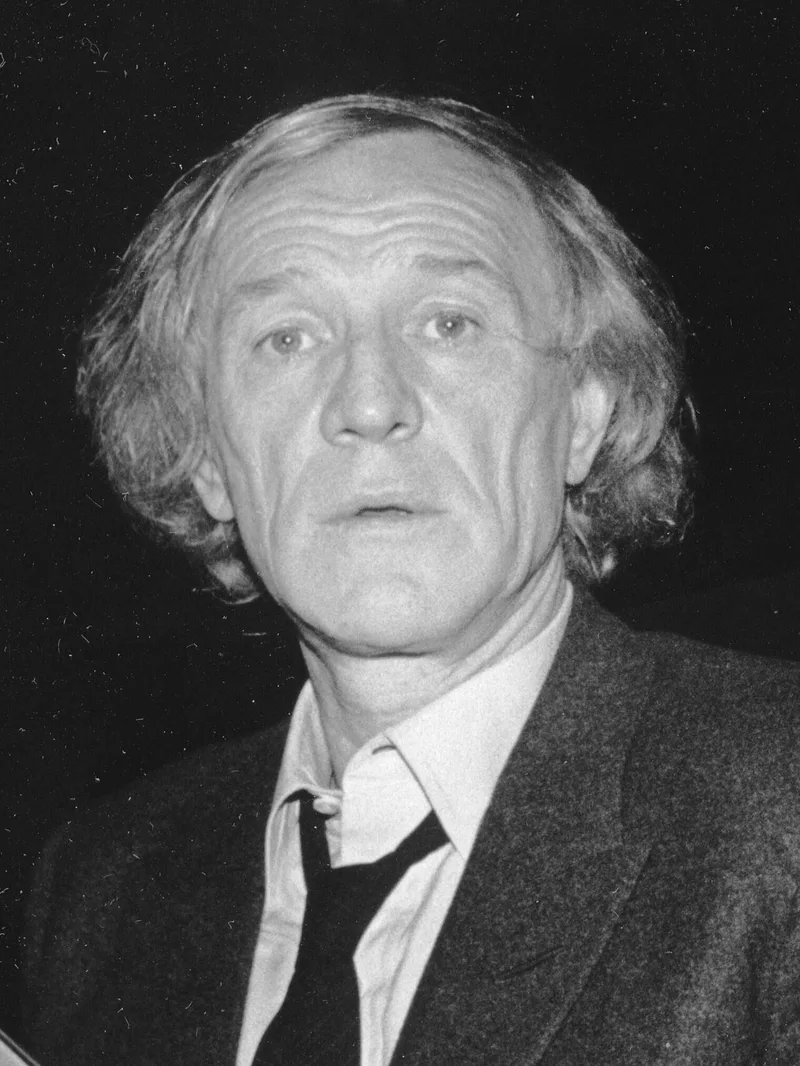
The unit returned to Tahiti in April 1961. Filming was plagued by bad weather and continuing script problems. Richard Harris clashed with Brando, and Brando was frequently late to set and difficult while filming.
"Marlon did not have approval of the story", said Milestone. "But he did have approval of himself. If Brando did not like something, he would just stand in front of the camera and not act. He thought only of himself. At the same time, he was right in many things that he wanted. He is too cerebral to play the part of Mr. Christian the way Clark Gable played it."
Milestone said the script was constantly being rewritten on set by Charles Lederer with input from Rosenberg, Sol Siegel and Joseph Vogel, as well as Brando. Milestone said Lederer often worked on the script with Brando in the morning, and shooting did not begin until the afternoon. Milestone said "you had the option of shooting it, but since Marlon Brando was going to supervise it anyway, I waited until someone yelled 'camera' and went off to sit down somewhere and read the paper."
The film ended up costing $10 million more than originally expected. Adding to the turmoil of the production's woes, a Tahitian was killed while filming a canoe sequence.
"I have been in this business a few days but I never saw anything like this", said Milestone. "It was like being in a hurricane on a rudderless ship without a captain. I thought when I took the job that it would be a nice trip. By the time it was finished, I felt as though I had been shanghaied."
"The big trouble was lack of guts by management at Metro", said Milestone. "Lack of vision. When they realised there was so much trouble with the script they should have stopped the whole damn production. If they did not like Marlon's behavior they should have told him that he must do as they wished or else they should have taken him out of the picture. But they just did not have the guts." Shooting was ultimately finished by October 1961.