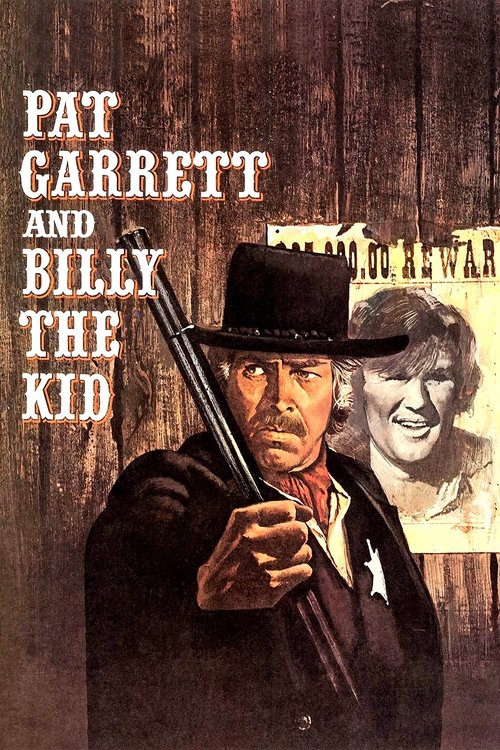
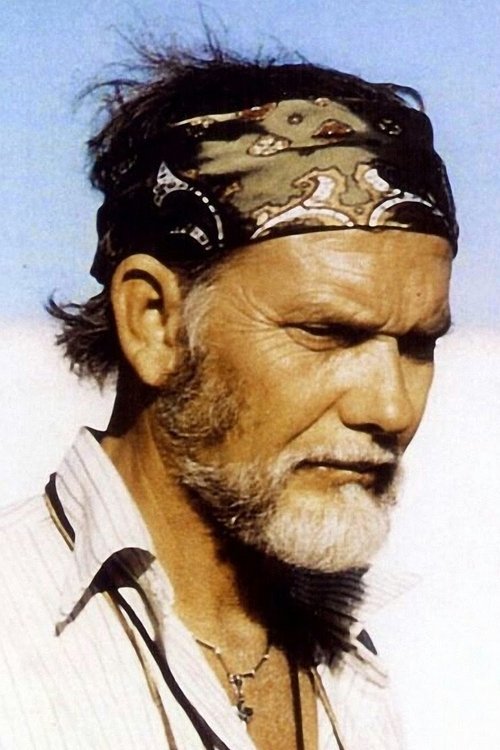

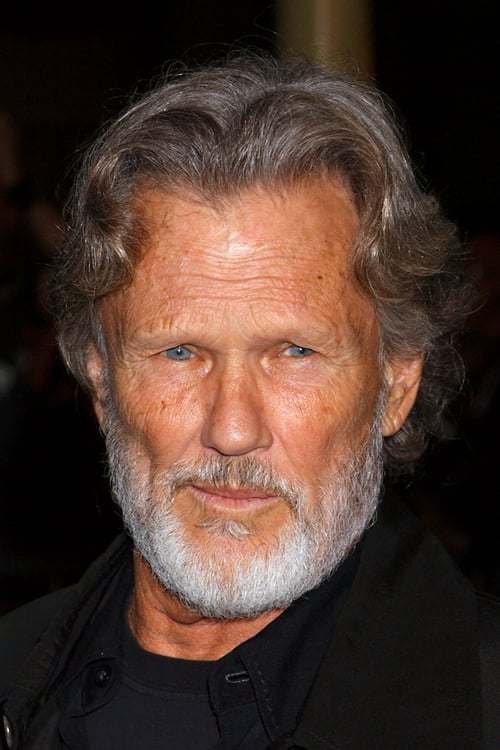

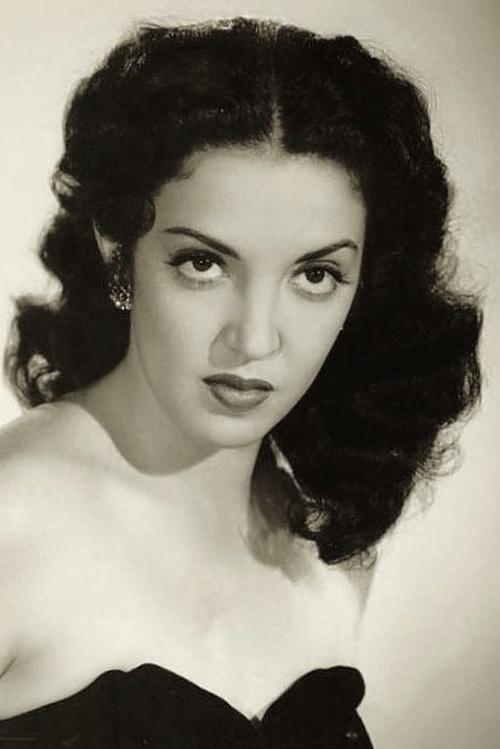
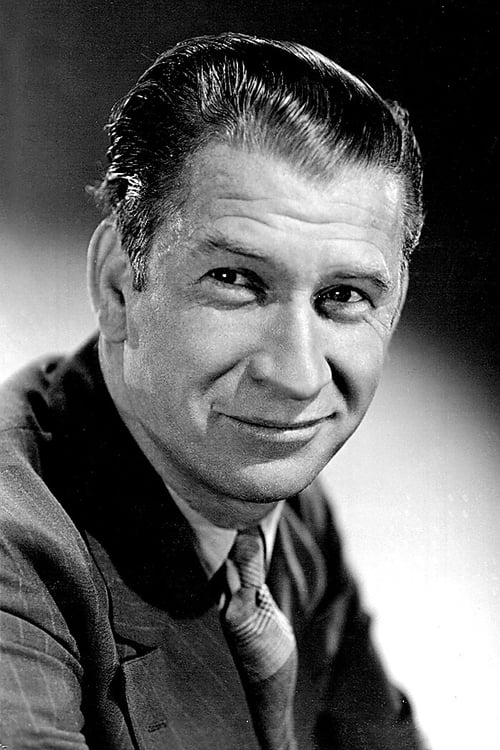
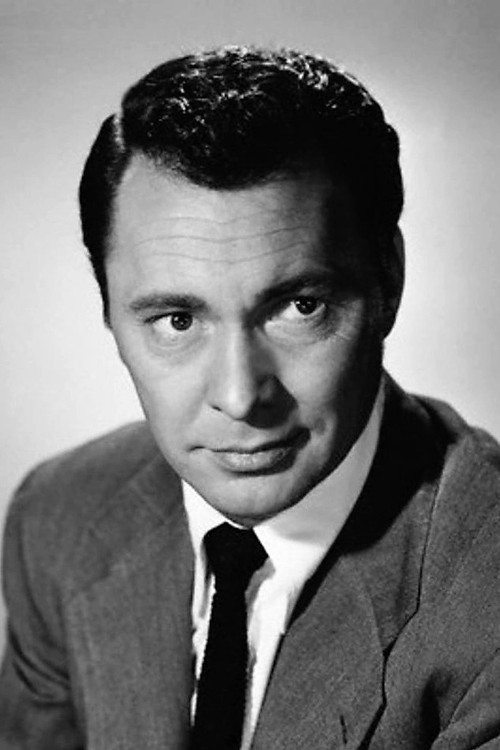
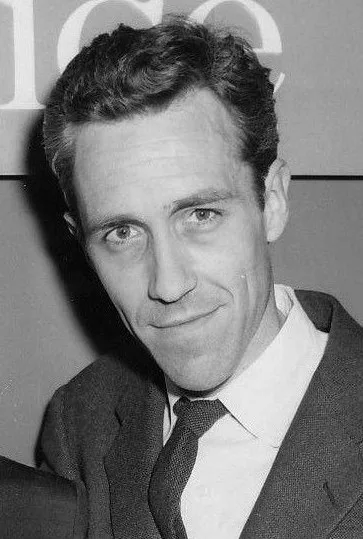
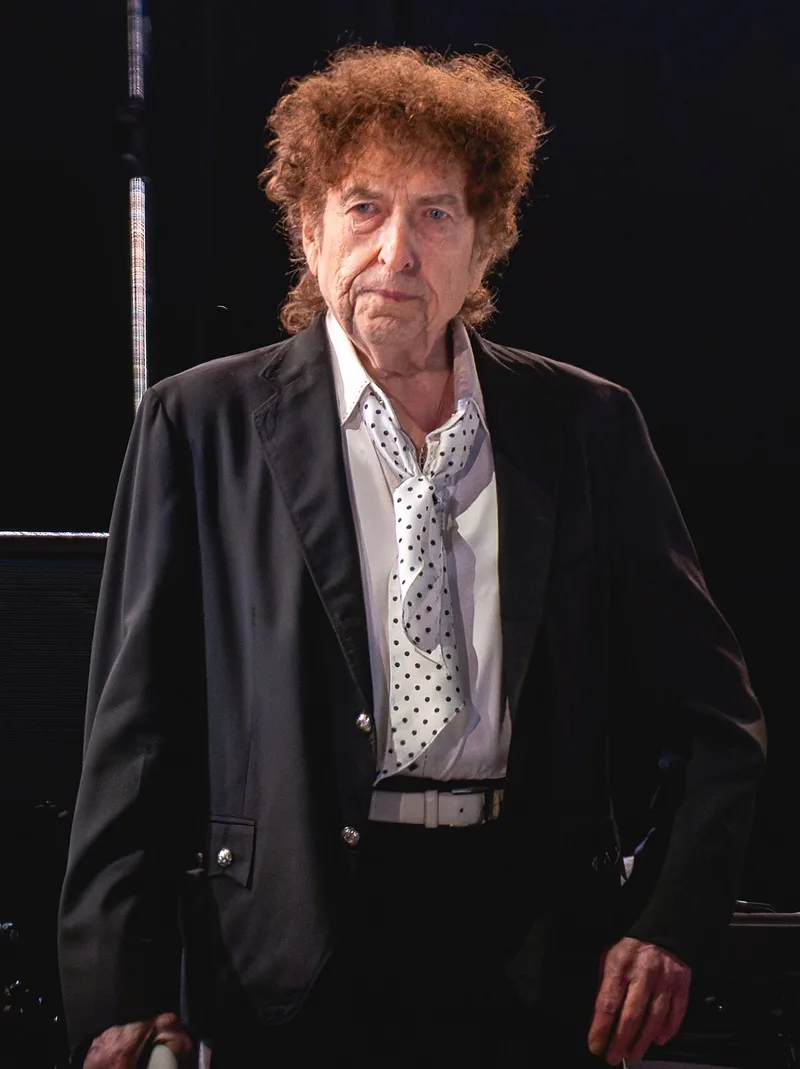

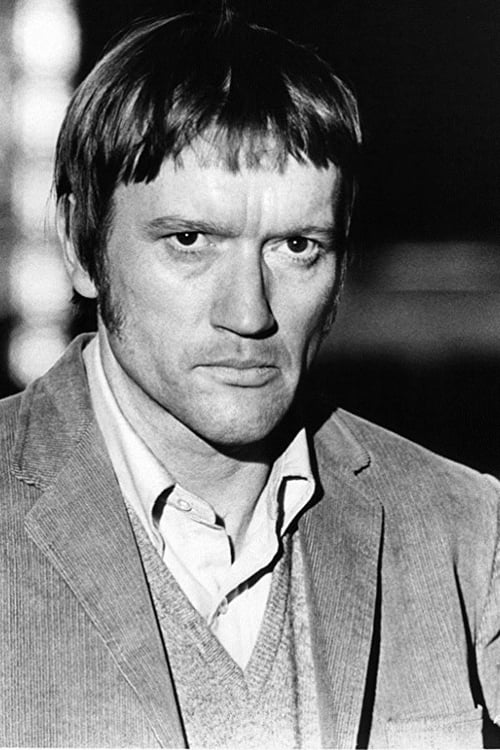
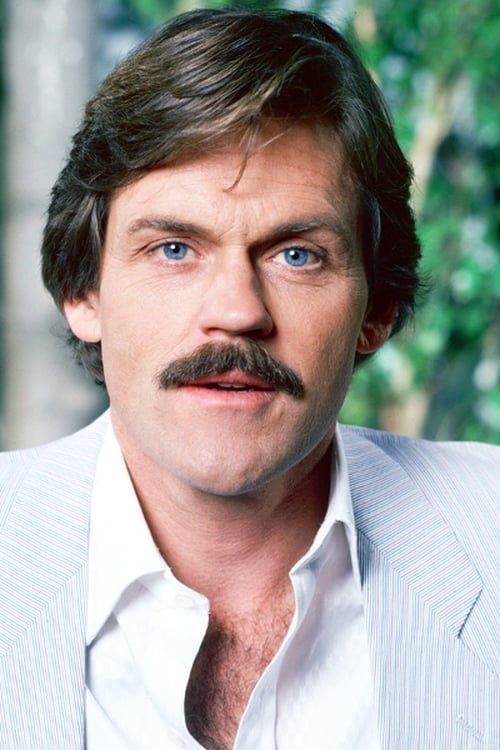
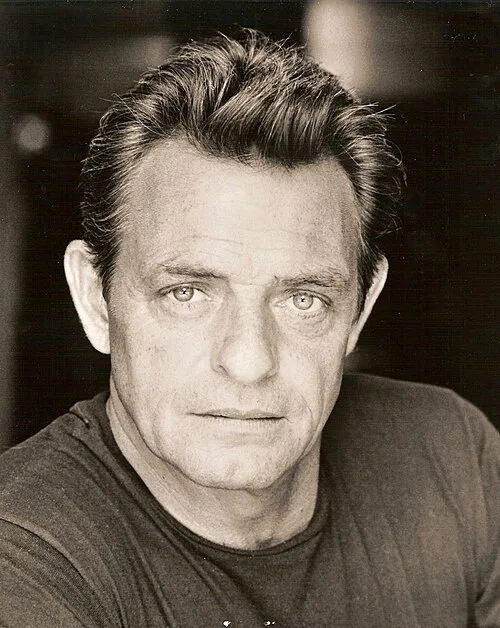
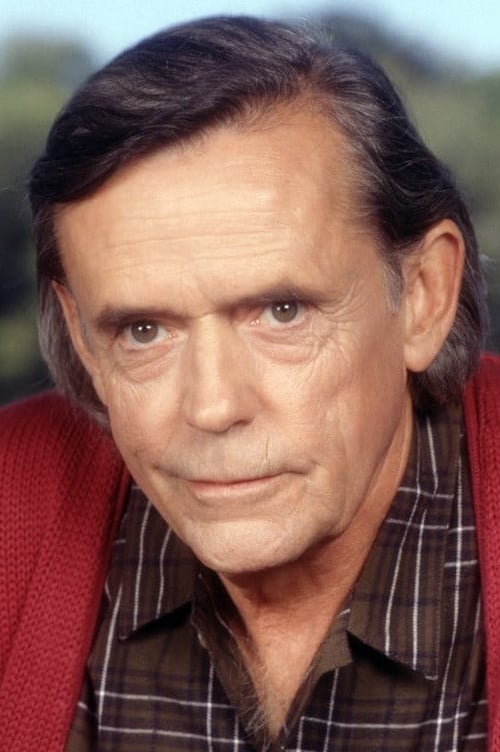



Pat Garrett and Billy the Kid is a 1973 American revisionist Western film directed by Sam Peckinpah, written by Rudy Wurlitzer, and starring James Coburn, Kris Kristofferson, Richard Jaeckel, Katy Jurado, Chill Wills, Barry Sullivan, Jason Robards, Slim Pickens and Bob Dylan. The film is about an aging Pat Garrett (Coburn), hired as a lawman by a group of wealthy New Mexico cattle barons to bring down his old friend Billy the Kid (Kristofferson).
Dylan also composed the score and songs for the film, most prominently "Knockin' on Heaven's Door", which were released on its soundtrack album the same year and nominated for a Grammy Award for Album of Best Original Score (Dylan). The movie was filmed on location in Durango, Mexico, and was nominated for two BAFTA Awards for Film Music (Dylan) and Most Promising Newcomer (Kristofferson).
The film was noted for behind-the-scenes battles between Peckinpah and the studio, Metro-Goldwyn-Mayer. Soon after completion, the film was taken away from the director and substantially re-edited, resulting in a truncated version released to theaters and largely disowned by cast and crew members. Peckinpah's preview version was released on video in 1988, leading to a re-evaluation, with many critics hailing it as a mistreated classic and one of the era's best films. It is ranked 126th on Empire magazine's list of The 500 Greatest Movies of All Time.
Contents
Plot
In 1909, near Las Cruces, New Mexico, Pat Garrett is riding with men working for the Santa Fe Ring, when he is ambushed and coldly killed by his associates, including one John W. Poe.
In 1881 in Old Fort Sumner, New Mexico, William H. Bonney, known as Billy the Kid, is passing the time with friends shooting chickens for fun. Garrett, an old friend of Billy's, rides into town with Deputy Sheriff J. W. Bell and joins the diversion. Later, over drinks, Garrett informs Billy that the electorate wants him out of the county, and that in five days, when he becomes Sheriff of Lincoln County, he will make Billy leave.
Six days later, Garrett and his deputies surround the small farmhouse where Billy and his gang are holed up. In the ensuing gun battle, Charlie Bowdre and several other men on both sides are killed, and Billy is taken prisoner. As Billy awaits his execution in the Lincoln County Jail for the killing of Buckshot Roberts, he is taunted and beaten by self-righteous Deputy Sheriff Bob Olinger while the hangman's gallows are being built nearby. Garrett warns Olinger not to taunt Billy again or he will be fired and sent back to Texas; then, Garrett leaves town to collect taxes leaving his two deputies to guard Billy. Olinger again argues with Billy but after J. W. Bell intervenes, Olinger leaves to get a drink. Billy finds a gun hidden for him in the outhouse and shoots Bell in the back. He then retrieves Olinger's shotgun loaded with "sixteen thin dimes" and shoots Olinger dead in the street, saying, "Keep the change, Bob." Billy leaves town.
After Garrett returns to Lincoln and recruits a new deputy sheriff named Alamosa Bill Kermit, he rides to Santa Fe to meet with Governor Lew Wallace, who introduces him to a pair of powerful men from the Santa Fe Ring. They offer a thousand dollars for the capture of Billy the Kid, with five hundred dollars upfront. Garrett rejects the money saying they can pay him in full when Billy is brought in and warns them that he will be successful as long as another cattle war is not started. Meanwhile, Billy returns to his gang at Old Fort Sumner, where he decides to lie back for a few days. He is confronted by three strangers looking to kill him; all three are killed in the subsequent shootout, helped by another stranger called Alias, who kills one of the men with a knife through the neck. Alias had witnessed Billy's escape from the Lincoln County Jail.
Production
The screenplay of Pat Garrett and Billy the Kid was written by Rudy Wurlitzer and was originally intended to be directed by Monte Hellman. The two had previously worked together on the acclaimed film Two-Lane Blacktop (1971). Sam Peckinpah became involved through actor James Coburn, who wanted to play the legendary sheriff Pat Garrett.
Peckinpah believed that this was his chance to make a definitive statement on the Western genre and complete the revision that he had begun with Ride the High Country (1962) and The Wild Bunch (1969). Working with Wurlitzer, he rewrote the script to create a more cyclical narrative, and added a prologue and epilogue depicting Garrett's own assassination at the hands of the men who hired him to kill Billy the Kid. In the original script, Pat Garrett and Billy the Kid never met onscreen until the film's conclusion, and Wurlitzer reportedly resented Peckinpah's reworking of the narrative. Wurlitzer and Peckinpah had a strained relationship, and Wurlitzer would later write a book highly unfavorable to Peckinpah.
Peckinpah initially considered Bo Hopkins for the part of Billy, but he eventually cast country music star Kris Kristofferson as the outlaw. Kristofferson was 36 when the film was made, playing 21-year-old Billy. Kristofferson's band played small roles, along with his wife Rita Coolidge. Kristofferson also brought Bob Dylan into the film, initially hired to write the title song. Dylan eventually wrote the score and played the role of "Alias". Peckinpah had never heard of Dylan, but was reportedly moved by hearing him play the proposed title song and hired him immediately. Among the songs written by Dylan for the film was "Knockin' on Heaven's Door".
Peckinpah deliberately cast his film's supporting roles with legendary Western character actors such as Chill Wills, Katy Jurado, Jack Elam, Slim Pickens, Barry Sullivan (who himself had played Pat Garrett in The Tall Man from 1960 to 1962), Dub Taylor, R.G. Armstrong, Elisha Cook, Jr., and Paul Fix. Jason Robards had starred in Peckinpah's earlier films, the television production Noon Wine (1966) and The Ballad of Cable Hogue (1970), and had a cameo appearance as the governor. The large supporting cast also included Richard Jaeckel, Charles Martin Smith, Harry Dean Stanton, Matt Clark, L.Q. Jones, Emilio Fernández, Don Levy, Aurora Clavel, Luke Askew, Jack Dodson, Richard Bright, and John Beck.
Post-production controversy, release and preview version
By the time that Pat Garrett and Billy the Kid was in the editing room, Peckinpah's relationship with the studio and his producers had reached the breaking point. Peckinpah's first cut was 165 minutes. Aubrey, enraged by the cost and production overruns, demanded an unrealistic release date for the film. Peckinpah and his editors, given only three weeks, were forced into a desperate situation to finish editing on time. Furthermore, Aubrey still objected to several sequences in the film which he wanted removed, forcing Peckinpah to engage in protracted negotiations over the film's content. Adding to the problems, Bob Dylan had never done a feature film score and Peckinpah's usual composer, Jerry Fielding, was unhappy with being relegated to a minor role in the scoring process.
Peckinpah completed a preview version of the film at 124 minutes, which was shown to critics on at least one occasion. Martin Scorsese had just made Mean Streets (1973) and was at the screening, and he praised the film as Peckinpah's greatest since The Wild Bunch. This version, however, would not see the light of day for over ten years. Peckinpah was eventually forced out of the production, and Aubrey had the film severely cut from 124 to 106 minutes, resulting in the film being released as a truncated version largely disowned by cast and crew members. This version was a box-office failure, grossing $8 million domestically, of which the studio earned only $2.7 million in theatrical rentals, against a budget of more than $4.6 million. However, the film grossed a total of $11 million worldwide.
The film was also panned by most major critics, who had harbored high expectations for the director's spiritual successor to The Wild Bunch. Though she acknowledged its ambition and "amazing cast", Pauline Kael described the film as "peculiarly unrealized" and mused that "probably nobody involved was very happy about the results".
Roger Ebert of The Chicago Sun-Times rated the film two stars out of four, beginning his review with: "Sam Peckinpah attempted to have his name removed from Pat Garrett and Billy the Kid. I sympathized with him. If this wasn't entirely his work, he shouldn't have had to take the blame." Despite the flaws of bad pacing, lack of tension and Dylan looking uncomfortable in his small role, Ebert praised Coburn's "cool and reliable" performance and Jurado's "nice cameo", and also claimed Kristopherson "here launched a career as a credible male lead". Ebert also noted "Another alarming factor is that no less than six editors are credited. Not assistant editors, but editors; this sets a modern-day record, I think." The editing was so haphazard, Ebert asserted, there were actors listed in the onscreen credits who did not actually appear in the version he saw (such as Dub Taylor). Gene Siskel of the Chicago Tribune awarded the same two-star grade and wrote that the film "appears to have been shot in emotional slow motion, and the self-inflating lethargy and mugging of all concerned reduces the enterprise to an exercise in pretension." Vincent Canby of The New York Times wrote that the film "has the manner of something written for Peckinpah by a writer who'd seen 'The Wild Bunch' and vowed to give the director an important script, something worthy of his talents. Instead, Mr. Wurlitzer has come up with what is apparently an unconscious parody of the Peckinpah concerns for fading frontiers, comradeship and machismo." Canby also found the Bob Dylan music "so oppressive that when it stops we feel giddy with relief, as if a tooth had suddenly stopped aching." Variety declared, "Whereas Peckinpah's nostalgia for a frontier world where might makes right and women were for the taking has previously been communicated via forceful acting and striking visuals, here there are few graces to camouflage the narrative banality."
Reappraisal, legacy and special edition
In 1988, Turner Home Entertainment, with distribution by MGM, released Peckinpah's preview version of Pat Garrett and Billy the Kid on video and Laserdisc. This version led to a rediscovery and reevaluation of the film, with many critics praising it as a lost masterpiece and proof Peckinpah's vision had been botched by editing beyond his control. The film's reputation has grown substantially since this version was released, and the film has come to be regarded as something of a modern classic, equal in many ways to Peckinpah's earlier films. Kristofferson noted in an interview, though, that Peckinpah had felt that Dylan had been pushed on him by the studio and thus left "Knocking on Heaven's Door" out of the preview version. In Kristofferson's opinion, "Heaven's Door" "was the strongest use of music that I had ever seen in a film. Unfortunately Sam…had a blind spot there."
In 2005, a DVD of the film distributed by Warner Bros. was released containing the preview version as well as a new special edition which combined elements of the theatrical version, the preview version, and several new scenes never released in the previous versions. "An attempt to put those 2 versions together", as we can hear on the same DVD audio commentary. This third version of the film, known as the "special edition", runs 115 minutes, slightly shorter than the preview version.
In July 2024, the film was released on Blu-ray and 4K Ultra HD by The Criterion Collection. That release includes a new "50th Anniversary" cut of the film restored digitally in 4K supervised by editors Paul Seydor and Roger Spottiswoode, a 4K digital restoration of the theatrical cut, and a 2K digital remaster of the director Sam Peckinpah’s Final Preview Cut.