1958–1979: Career stardom and acclaim
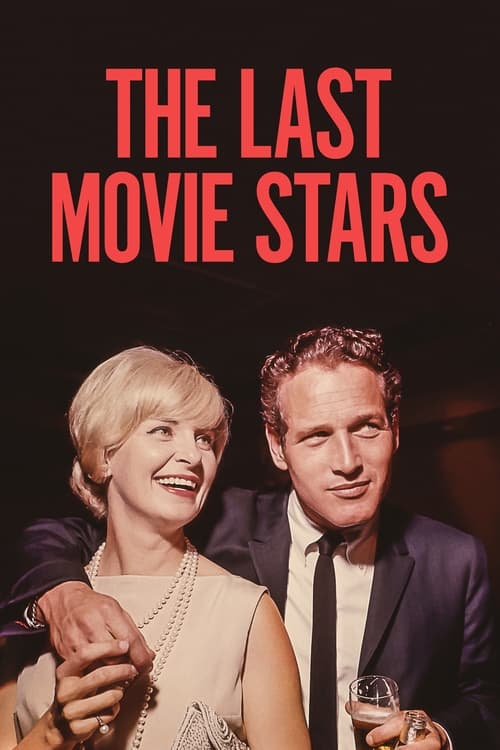
In 1958, Newman starred in Cat on a Hot Tin Roof opposite Elizabeth Taylor. The film was a box-office smash, and Newman garnered his first Academy Award nomination. Also in 1958, Newman starred in The Long, Hot Summer with his future wife Joanne Woodward, with whom he reconnected on the set in 1957 (they had first met in 1953). He won Best Actor at the 1958 Cannes Film Festival for this film. He and Woodward had also appeared on screen earlier in 1958 in the Playhouse 90 television play The 80 Yard Run. The couple would go on to make a total of 16 films together.
In 1959, Newman starred in The Young Philadelphians, a film that also featured Barbara Rush, Robert Vaughn and Alexis Smith and was directed by Vincent Sherman. He also co-starred with Woodward in the film Rally Round the Flag, Boys!. In 1960, he starred in Exodus and co-starred with Woodward in From the Terrace.
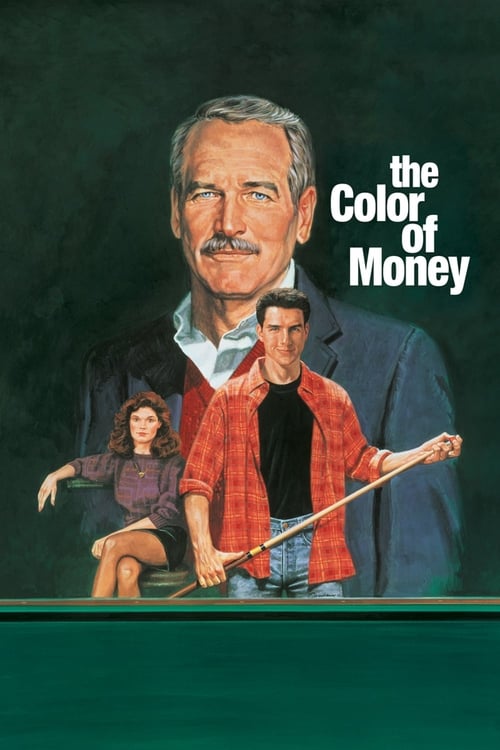
In 1961, Newman starred in Robert Rossen's The Hustler. The film, which was based on a book of the same name by Walter Tevis, tells the story of small-time pool hustler "Fast Eddie" Felson (Newman) who challenges a legendary pool player portrayed by Jackie Gleason. The film was a critical and financial hit. Newman won both the British Academy of Film and Television Arts award and the Argentinian Film Festival Best Actor awards. He was also nominated for the same prize at that year's Academy Awards. Stanley Kauffmann, writing for The New Republic, praised the principal cast, calling Newman "first-rate".
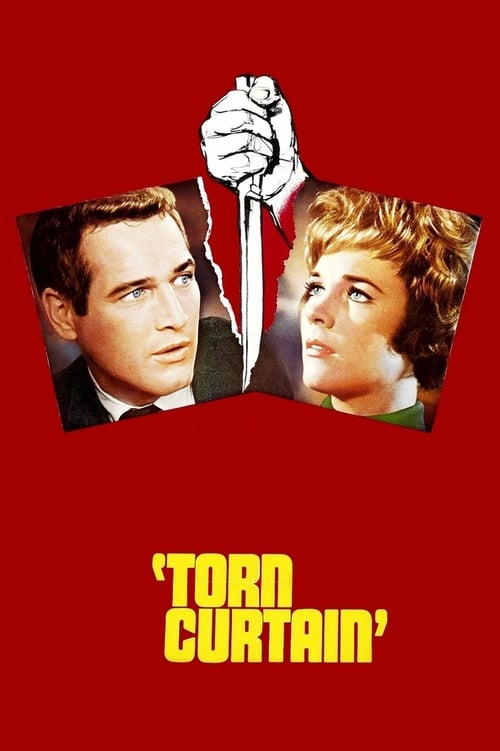
Also that year, Newman co-starred with Woodward in Paris Blues. In 1963, Newman starred in Hud and co-starred with Woodward in A New Kind of Love. In 1966, he starred in Torn Curtain and Harper.
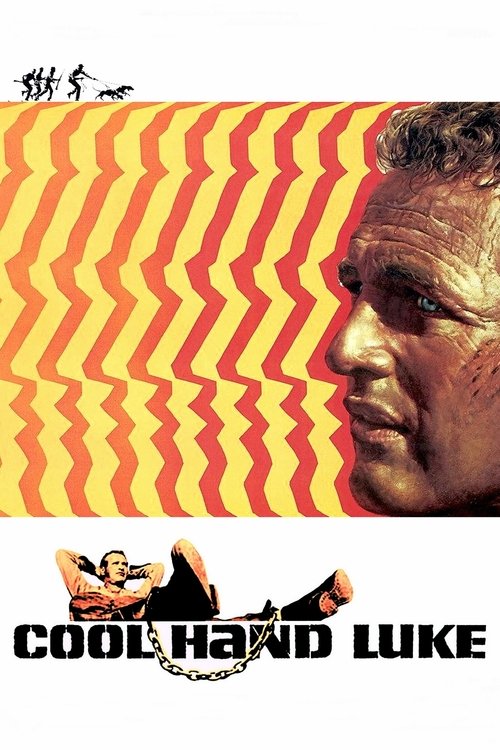
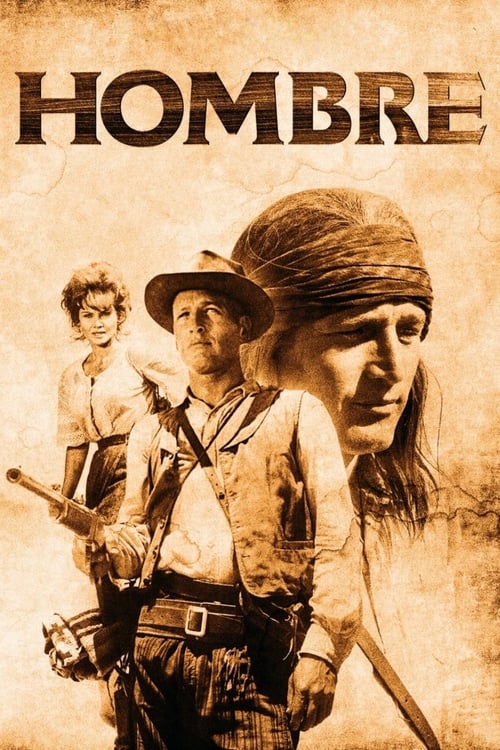
In 1967, Newman starred in Martin Ritt's Hombre. The film earned many positive reviews. Also that year, he starred in Stuart Rosenberg's Cool Hand Luke. Newman was again nominated for Best Actor at the Academy Awards. In 2005, the United States Library of Congress selected the film for preservation in the National Film Registry, considering it "culturally, historically or aesthetically significant". Critic Roger Ebert wrote, "Luke is the first Newman character to understand himself well enough to tell us to shove off. He's through risking his neck to make us happy. With this film, Newman completes a cycle of five films over six years, and together they have something to say about the current status of heroism".
In 1968, Newman directed Rachel, Rachel starring Woodward and based on Margaret Laurence's A Jest of God. According to Woodward, Newman did not like the book and had no intention of directing the film. He changed his mind when Woodward could not find any other director. To do the project, the pair accepted a deferred payment. The film was nominated for four Academy Awards including Best Picture and won two Golden Globes including Best Director.
In 1969, Newman co-starred with Woodward in James Goldstone's auto racing film Winning. It was one of the top-grossing film that year in the U.S., reaching the thirteenth position and earning $14,644,335.
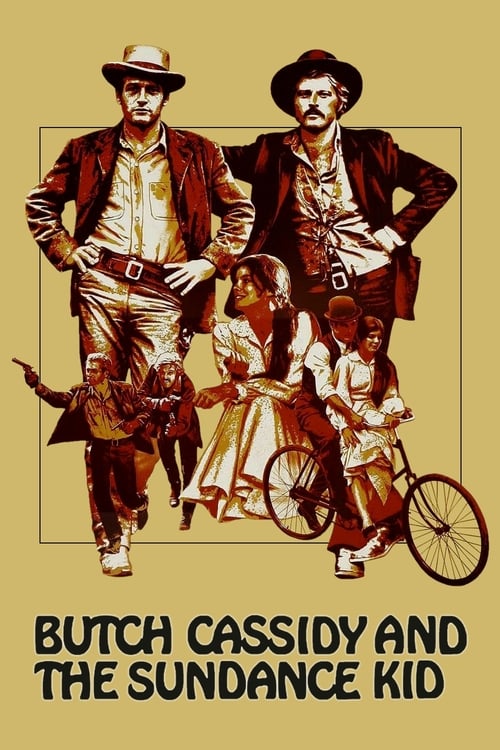
Also that year, Newman teamed with fellow actor Robert Redford and director George Roy Hill for Butch Cassidy and the Sundance Kid. Scriptwriter William Goldman talked to Newman about his ideas on approaching the subject matter. Once a script was completed, actor Steve McQueen, who had read it, called Newman suggesting that they star in it together. Newman, assuming he would play the character of Sundance, suggested that they jointly buy the intellectual property, at which point McQueen hesitated. It was eventually bought by producer Paul Monash, and Newman was cast as Butch, which created a title change with Redford as Sundance. Newman explained that for the scene where his character performs bicycle tricks a stuntman had been hired, though the footage had left director Hill unsatisfied; Newman had to perform the tricks. Furthermore, Newman explained that it was his idea with Goldman to develop the musical interlude. The film was a success, grossing over $15 million at the box office, and it was fourth highest-grossing film of the year. At the Academy Awards it was nominated for Best Picture as well as well as receiving nominations in other categories.
Finally that year, along with Barbra Streisand and Sidney Poitier, Newman formed First Artists Production Company so actors could secure properties and develop movie projects for themselves.
In 1970, Newman produced and co-starred with Woodward in Stuart Rosenberg's WUSA, based on Robert Stone's novel A Hall of Mirrors. Newman and his partner John Foreman purchased the rights for $50,000. The film flopped both commercially and critically. However, Newman later said that it is "the most significant film I've ever made and the best".
In 1971, Newman directed and starred in Sometimes a Great Notion based on Ken Kesey's novel. Although several directors were considered, it was announced that Newman would direct. However, Richard A. Colla was signed to direct the film in May 1970. Five weeks after principal photography began, Colla left the project due to "artistic differences over photographic concept", as well as a required throat operation. At the same time, Newman broke his ankle and the production shut down on July 29. As co-executive producer, Newman considered replacing Colla with George Roy Hill, but Hill declined the offer, so when filming resumed two weeks later, Newman was directing.
Also that year, Newman hosted David Winters' made-for-TV documentary Once Upon a Wheel. Winters said that at the time Newman had publicly stated he did not want to do television and turned it down for that reason until Winters explained his own vision to Newman. Newman, a race car enthusiast, said, "The show gives me a chance to get close to a sport I'm crazy about. I love to test a car on my own, to see what I can do, but racing with 25 other guys is a whole different thing. There are so many variables, the skill demanded is tremendous." Bob Bondurant, Newman's driving instructor who appears in the film, explained that Once Upon a Wheel was a passion project for Newman "because he wanted to learn how to drive" and that he had refused projects that would have paid him a much larger salary. The project marked Newman's return to television after a decade long absence, and his first time as the lead of a program. During post-production, Winters said that Newman, who liked what he saw, gave him the idea to add some footage to sell it as a theatrical film worldwide. Upon its release, the documentary generally received good reviews for its directing, pace, photography, music, and human interest stories.
In 1972, Newman's vehicles produced by First Artists included Pocket Money and The Life and Times of Judge Roy Bean. Also that year, Newman directed The Effect of Gamma Rays on Man-in-the-Moon Marigolds, the screen version of the Pulitzer Prize-winning play of the same name. It was in competition at the Cannes Film Festival, and Joanne Woodward won the best actress award.
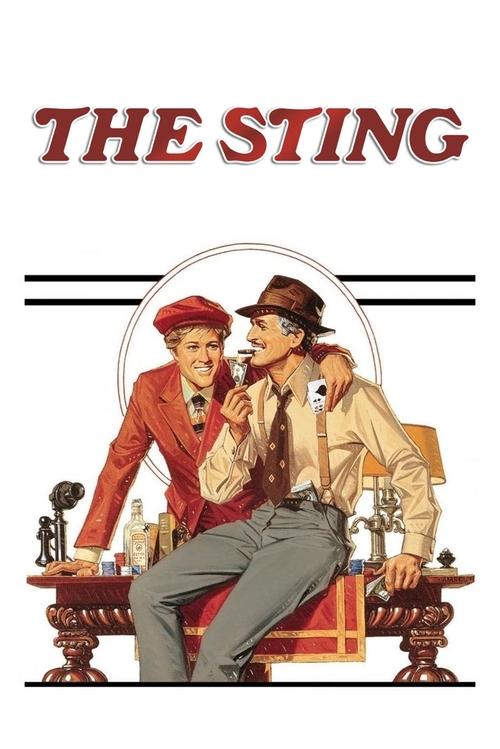
In 1973, Newman reunited with director George Roy Hill and fellow actor Robert Redford in The Sting. The film made over $68,000,000 in the North American box office and was the highest-grossing film of 1974. For his participation, Newman received top billing, $500,000, and a percentage of the profits. The film was awarded Best Picture at the Academy Awards.
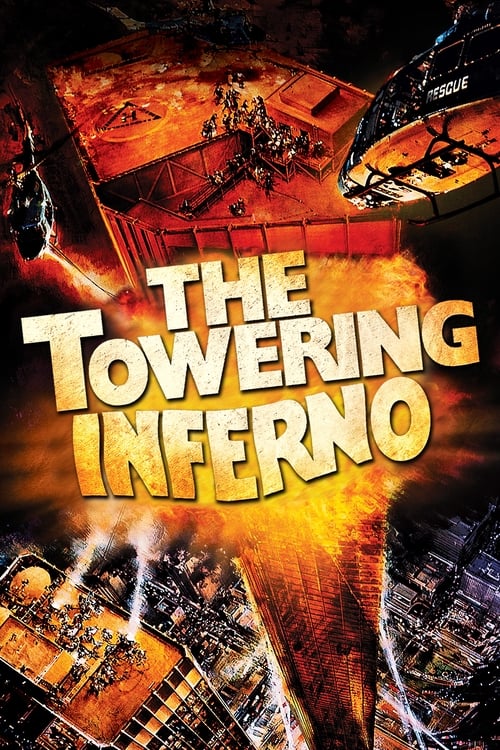
In 1974, Newman co-starred with Steve McQueen in John Guillermin's disaster film The Towering Inferno. Newman plays an architect trapped in a burning skyscraper that he had designed. Newman was paid $1,000,000 plus a percentage of the gross, and he insisted that he do his own stunts. The film was a success and its North American gross was $55,000,000.
In 1975, his third film with First Artists was the Harper sequel The Drowning Pool, in which Woodward appeared.
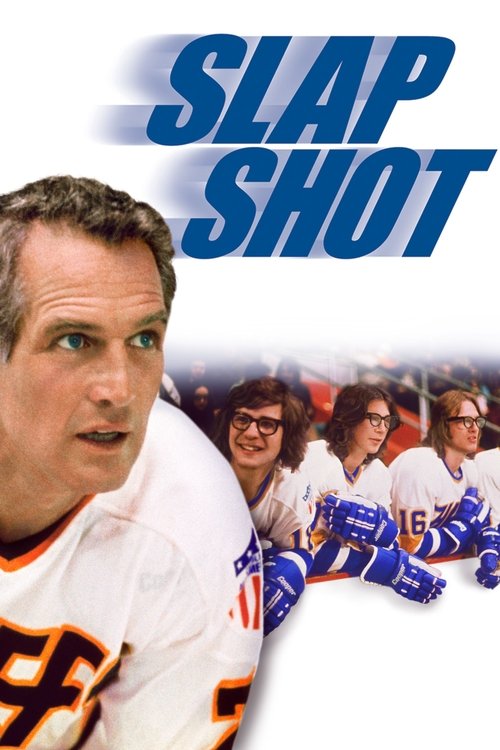
In 1977, Newman reunited with director Hill in the hockey sport comedy Slap Shot. At the time of its release the film received mixed reviews, many saying that it was "setting a new standard in its use of obscenities". Years later on Home Video and cable showings the film gained cult status. That year, Newman opened the Hamptons Hollywood Cafe with his friend Ron Buck.