Pedro Almodóvar Caballero (Spanish: [ˈpeðɾo almoˈðoβaɾ kaβaˈʎeɾo]; born 25 September 1949) is a Spanish film director, screenwriter and author. His films are distinguished by melodrama, irreverent humour, bold colour, glossy décor, quotations from popular culture, and complex narratives. Desire, LGBTQ issues, passion, family, motherhood, and identity are among Almodóvar's most frequently explored subjects. As one of the most internationally successful Spanish filmmakers, Almodóvar and his films have developed a cult following.
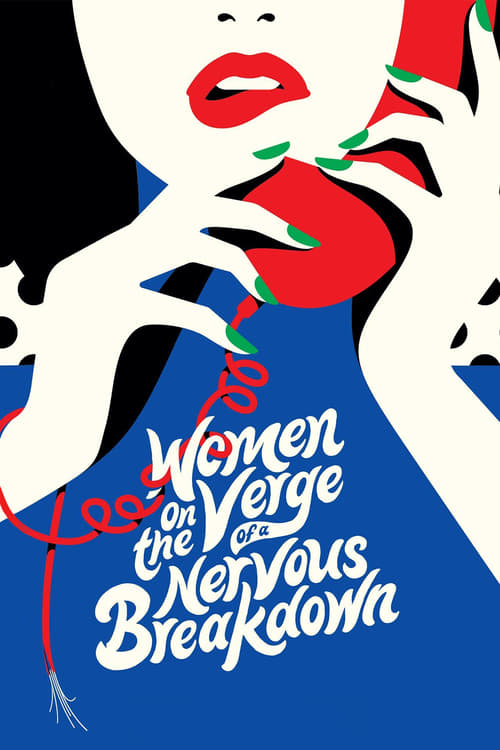
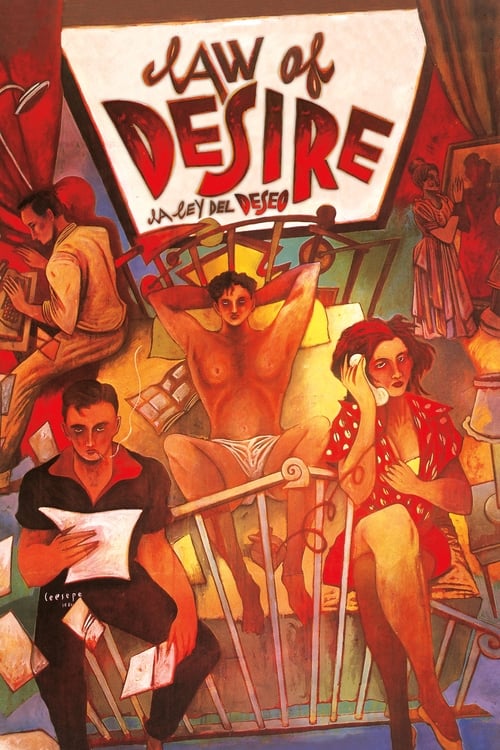
Almodóvar's career developed during La Movida Madrileña, a cultural renaissance that followed the end of Francoist Spain. His early films characterised the sense of sexual and political freedom of the period. In 1986, he established his own film production company, El Deseo, with his younger brother Agustín Almodóvar, who has been responsible for producing all of his films since Law of Desire (1987). His breakthrough film was Women on the Verge of a Nervous Breakdown (1988), which was nominated for the Academy Award for Best Foreign Language Film.
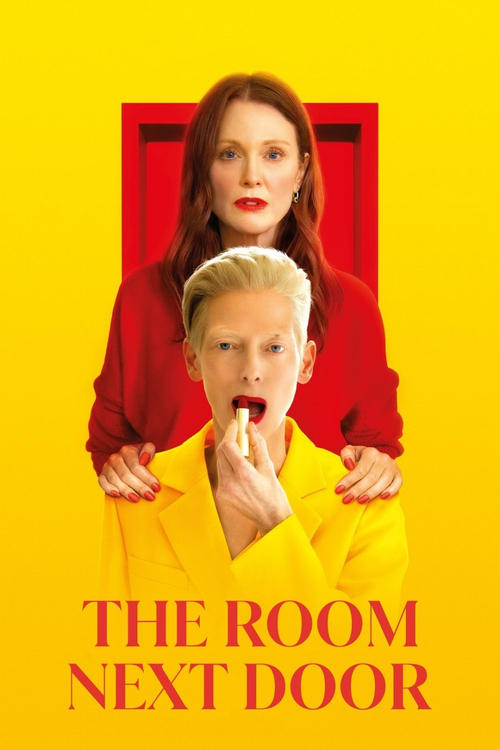
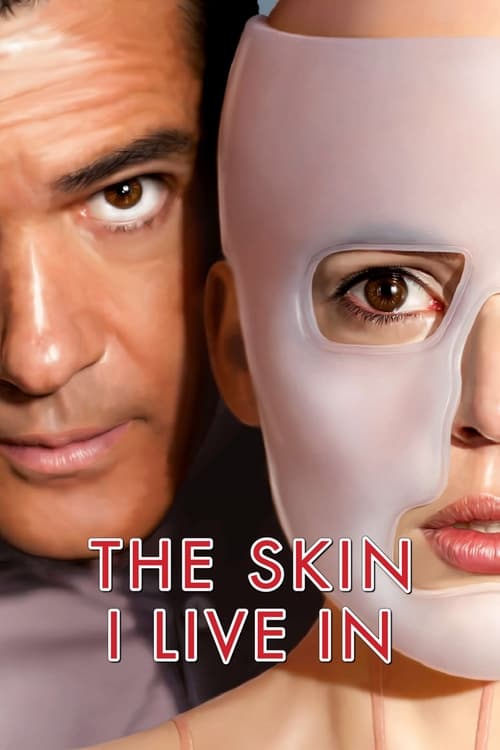
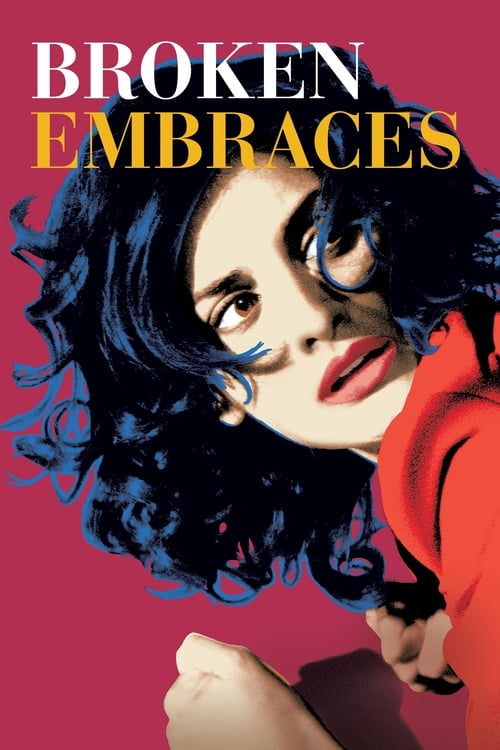
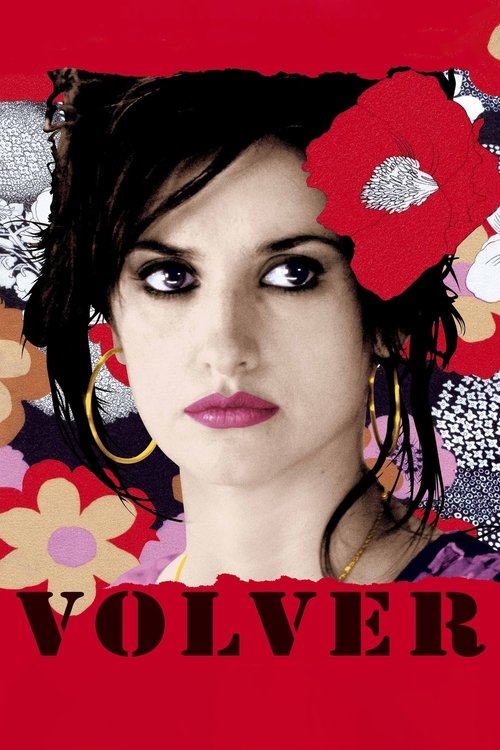
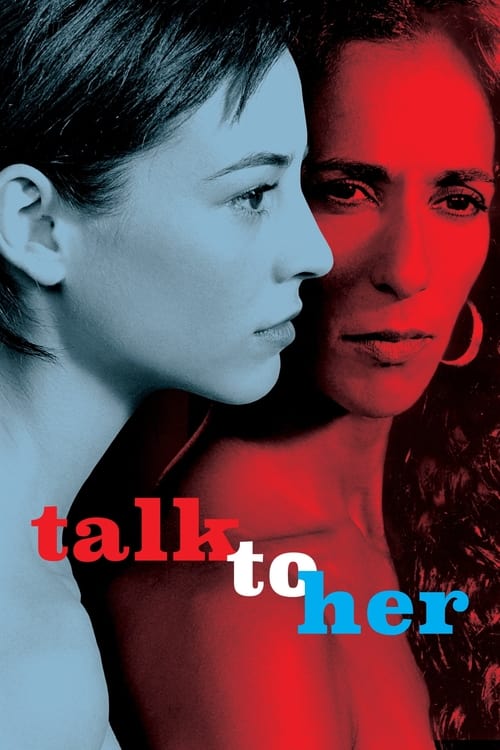
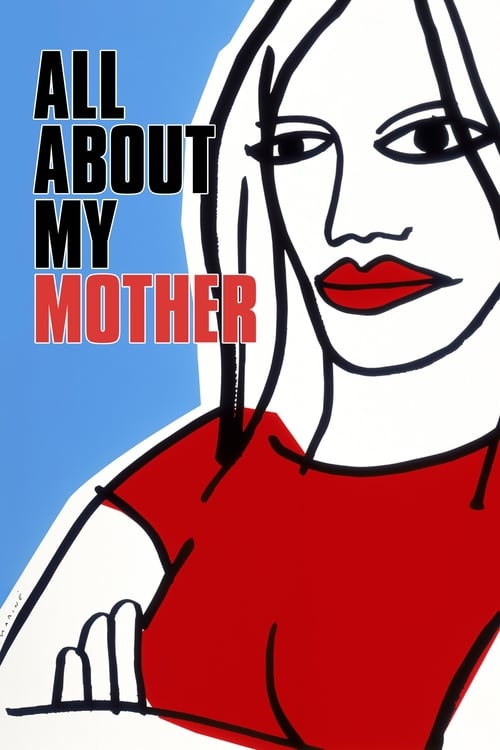
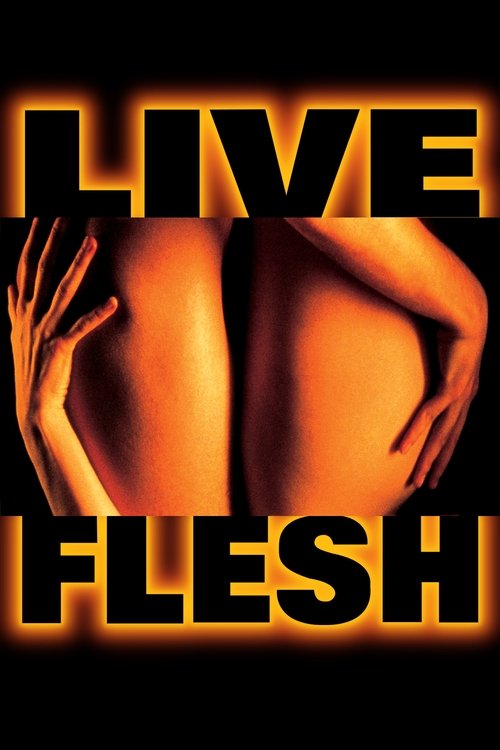
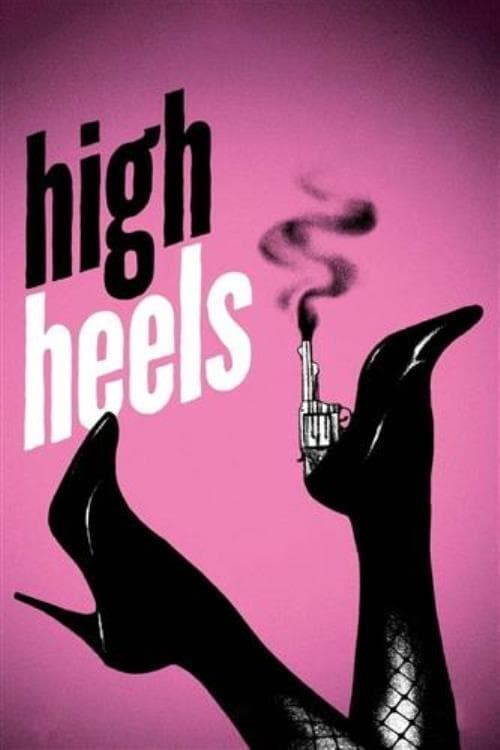
He achieved further success often collaborating with actors Antonio Banderas and Penélope Cruz. He directed Tie Me Up! Tie Me Down! (1989), High Heels (1991), and Live Flesh (1997). Almodóvar's next two films, All About My Mother (1999) and Talk to Her (2002), earned him an Academy Award each, for Best Foreign Language Film and Best Original Screenplay, respectively. His later films Volver (2006), Broken Embraces (2009), The Skin I Live In (2011), Julieta (2016), Pain and Glory (2019), and Parallel Mothers (2021) were also praised. He is also known for directing several short films including The Human Voice (2020) and Strange Way of Life (2023). He made his first English-language feature film with The Room Next Door (2024), which won the Golden Lion at the 81st Venice International Film Festival.
Almodóvar has received numerous accolades, including an Academy Award, two Golden Globe Awards, two Emmy Awards, five BAFTA Awards, and five Goya Awards. He received the French Legion of Honour in 1997, the Gold Medal of Merit in the Fine Arts in 1999, the European Film Academy Achievement in World Cinema Award in 2013, and the Golden Lion for Lifetime Achievement in 2019. He has also received honorary doctoral degrees from Harvard University, in 2009 and from the University of Oxford in 2016.
Contents
Early life
Pedro Almodóvar Caballero was born on 25 September 1949 in Calzada de Calatrava, a small rural town of the Province of Ciudad Real in Spain. He has two older sisters, Antonia and María Jesús, and one brother Agustín. His father, Antonio Almodóvar (d. 1980), was a winemaker, and his mother, Francisca Caballero (1916–1999), was a letter reader and transcriber for illiterate neighbours.
When Almodóvar was eight years old, the family sent him to study at a religious boarding school in the city of Cáceres, Extremadura, in western Spain, with the hope that he might someday become a priest. His family eventually joined him in Cáceres, where his father opened a gas station and his mother opened a bodega in which she sold her own wine. Unlike Calzada, there was a cinema in Cáceres. "Cinema became my real education, much more than the one I received from the priest", he said later in an interview. Almodóvar was influenced by Luis Buñuel.
Against his parents' wishes, Almodóvar moved to Madrid in 1967 to become a filmmaker. When the Spanish dictator, Francisco Franco, closed the National School of Cinema in Madrid, Almodóvar became self-taught. To support himself, Almodóvar had a number of jobs, including selling used items in the famous Madrid flea market El Rastro and as an administrative assistant with the Spanish phone company Telefónica, where he worked for 12 years.
Career
1974–1979: Early work and short films
In the early 1970s, Almodóvar became interested in experimental cinema and theatre. He collaborated with the vanguard theatrical group Los Goliardos, in which he played his first professional roles and met actress Carmen Maura. Madrid's flourishing alternative cultural scene became the perfect scenario for Almodóvar's social talents. He was a crucial figure in La Movida Madrileña (the Madrilenian Movement), a cultural renaissance that followed the death of Francisco Franco in 1975. Alongside Fabio McNamara, Almodóvar sang in a glam rock parody duo.
Almodóvar also wrote various articles for major newspapers and magazines, such as El País, Diario 16 and La Luna, as well as contributing to comic strips, articles and stories in counterculture magazines, such as Star, El Víbora and Vibraciones. He published a novella, Fuego en las entrañas (Fire in the Guts), and kept writing stories that were eventually published in a compilation volume entitled El sueño de la razón (The Dream of Reason).
Almodóvar bought his first camera, a Super-8, with his first paycheck from Telefónica when he was 22 years old and began to make hand-held short films.
Around 1974, he made his first short film, and by the end of the 1970s they were shown in Madrid's night circuit and in Barcelona. These shorts had overtly sexual narratives and no soundtrack: Dos putas, o, Historia de amor que termina en boda (Two Whores, or, A Love Story that Ends in Marriage) in 1974; La caída de Sodoma (The Fall of Sodom) in 1975; Homenaje (Homage) in 1976; La estrella (The Star) in 1977; Sexo Va: Sexo viene (Sex Comes and Goes); and Complementos (Shorts) in 1978, his first film in 16mm.
He remembers, "I showed them in bars, at parties... I could not add a soundtrack because it was very difficult. The magnetic strip was very poor, very thin. I remember that I became very famous in Madrid because, as the films had no sound, I took a cassette with music while I personally did the voices of all the characters, songs and dialogues". After four years of working with shorts in Super-8 format, Almodóvar made his first full-length film Folle, folle, fólleme, Tim (Fuck Me, Fuck Me, Fuck Me, Tim) in Super-8 in 1978, followed by his first 16 mm short Salomé.
1980–1987: Rise to prominence
Pepi, Luci, Bom and Other Girls on the Heap (1980)
Pepi, Luci, Bom and Other Girls on the Heap is a 1980 Spanish comedy film and Almodóvar's debut feature. The story follows the chaotic adventures of three unique women living in post-Franco Madrid. The film is a major symbol of the Movida Madrileña, a countercultural movement celebrating newfound personal freedom. Due to its raw underground style, this low-budget project became a cult classic and launched Almodóvar's career.
Labyrinth of Passion (1982)
His second feature Labyrinth of Passion (1982) focuses on nymphomaniac pop star, Sexila (Cecilia Roth), who falls in love with a gay middle-eastern prince, Riza Niro (Imanol Arias). Their unlikely destiny is to find one another, overcome their sexual preferences, and live happily ever after on a tropical island. Framed in Madrid during La Movida Madrileña, between the dissolution of Franco's authoritarian regime and the onset of AIDS consciousness, Labyrinth of Passion caught the spirit of liberation in Madrid and it became a cult film.
The film marked Almodóvar's first collaboration with cinematographer Ángel Luis Fernandez as well as the first of several collaborations with actor Antonio Banderas. Labyrinth of Passion premiered at the 1982 San Sebastian Film Festival. While the film received better reviews than its predecessor, Almodóvar later acknowledged: "I like the film even if it could have been better made. The main problem is that the story of the two leads is much less interesting than the stories of all the secondary characters. But precisely because there are so many secondary characters, there's a lot in the film I like".
Dark Habits (1983)
For his next film Dark Habits (1983), Almodóvar was approached by multi-millionaire Hervé Hachuel, who wanted to start a production company to make films starring his girlfriend, Cristina Sánchez Pascual. Hachuel set up Tesuaro Production and asked Almodóvar to keep Pascual in mind. Almodóvar had already written the script for Dark Habits and made changes to the script so his supporting cast were more prominent in the story.
1988–2002: Stardom and critical acclaim
Women on the Verge of a Nervous Breakdown (1988)
Almodóvar's first major critical and commercial success internationally came with the release of Women on the Verge of a Nervous Breakdown (1988).The film debuted at the 45th Venice film festival. This feminist light comedy of rapid-fire dialogue and fast-paced action further established Almodóvar as a "women's director", in the same vein as George Cukor and Rainer Werner Fassbinder. Almodóvar has said that women make better characters: "women are more spectacular as dramatic subjects, they have a greater range of registers, etc."
Women on the Verge of a Nervous Breakdown centres on Pepa (Carmen Maura), a woman who has been abruptly abandoned by her married boyfriend Iván (Fernando Guillén). Over two days, Pepa frantically tries to track him down. In the course, she discovers some of his secrets and realises her true feelings. Almodóvar included many of his usual actors, including Antonio Banderas, Chus Lampreave, Rossy de Palma, Kiti Mánver and Julieta Serrano, as well as newcomer María Barranco.
The film was released in Spain in March 1988 and became a hit in the US, making more than $7 million when it was released later that same year, bringing Almodóvar to the attention of American audiences. Women on the Verge of a Nervous Breakdown won five Goya Awards, Spain's top film honours, for Best Film, Best Original Screenplay, Best Editing (José Salcedo), Best Actress (Maura), and Best Supporting Actress (Barranco). The film won an award for best screenplay at the Venice film festival and two awards at the European Film Awards as well as being nominated for Best Foreign Language Film at the BAFTAs and Golden Globes. It also gave Almodóvar his first Academy Award nomination for Best Foreign Language Film.
Tie Me Up! Tie Me Down! (1990)
Almodóvar's next film marked the end of the collaboration between him and Carmen Maura, and the beginning of a fruitful collaboration with Victoria Abril. Tie Me Up! Tie Me Down! (1990) tells the story about a recently released psychiatric patient, Ricky (Antonio Banderas), who kidnaps a porn star, Marina (Abril), in order to make her fall in love with him.
2004–2016: Established director
Bad Education (2004)
Two years later, Almodóvar followed with Bad Education (2004), tale of child sexual abuse and mixed identities, starring Gael García Bernal and Fele Martínez. In the drama film, two children, Ignácio and Enrique, discover love, cinema, and fear in a religious school at the start of the 1960s. Bad Education has a complex structure that not only uses film within a film, but also stories that open up into other stories, real and imagined, to narrate the same story: A tale of child molestation and its aftermath of faithlessness, creativity, despair, blackmail and murder. Sexual abuse by Catholic priests, transsexuality, drug use, and a metafiction are also important themes and devices in the plot.
Almodóvar used elements of film noir, borrowing in particular from Double Indemnity. The film's protagonist, Juan (Gael Garcia Bernal), was modeled largely on Patricia Highsmith's most famous character, Tom Ripley, as played by Alain Delon in René Clément's Purple Noon. A criminal without scruples, but with an adorable face that betrays nothing of his true nature. Almodóvar explains : "He also represents a classic film noir character – the femme fatale. Which means that when other characters come into contact with him, he embodies fate, in the most tragic and noir sense of the word". Almodóvar claimed he worked on the film's screenplay for more than ten years before starting the film.
Bad Education premiered in March 2004 in Spain before opening in the 57th Cannes Film Festival, the first Spanish film to do so, two months later. The film grossed more than $40 million worldwide, despite its NC-17 rating in the US. It won the GLAAD Media Award for Outstanding Film – Limited Release and was nominated for the BAFTA Award for Best Film Not in the English Language; it also received 7 European Film Award nominations and 4 Goya nominations.
Volver (2006)
Volver (2006), a mixture of comedy, family drama and ghost story, is set in part in La Mancha (the director's native region). It follows the story of three generations of women in the same family who survive wind, fire, and even death. The film is an ode to female resilience, where men are literally disposable. Volver stars Penélope Cruz, Lola Dueñas, Blanca Portillo, Yohana Cobo and Chus Lampreave, in addition to reuniting the director with Carmen Maura, who had appeared in several of his early films.
2019–present
Pain and Glory (2019)
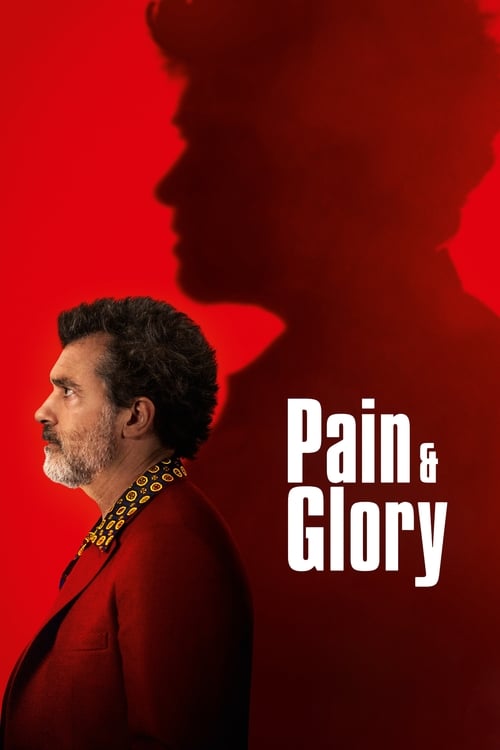
Almodóvar's next film—Pain and Glory (Dolor y gloria)—was released in Spain on 22 March 2019 by Sony Pictures Releasing. It first was selected to compete for the Palme d'Or at the 2019 Cannes Film Festival. The film centers around an aging film director, played by Antonio Banderas, who is suffering from chronic illness and writer's block as he reflects on his life in flashbacks to his childhood. Penelope Cruz plays Jacinta, his mother, in the film's flashbacks. Almodóvar has described the film as semi-autobiographical. The film was nominated for the Academy Award for Best International Feature Film, though it ultimately lost to Bong Joon-ho's Parasite.
Parallel Mothers (2021)
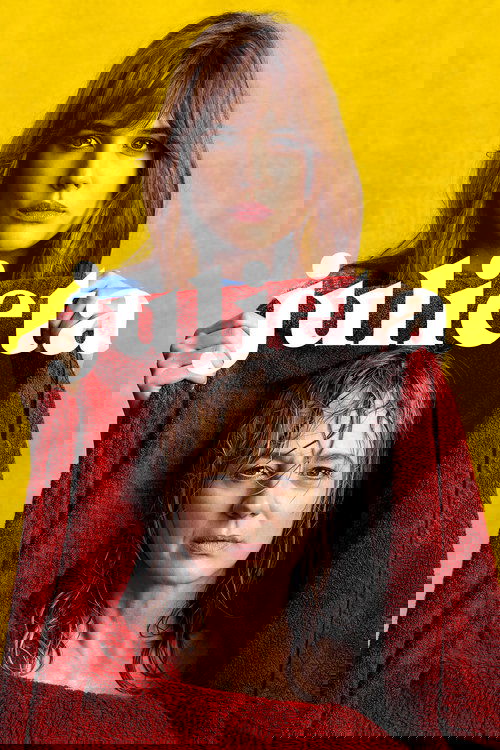
In July 2020, Agustín Almodóvar announced that his brother had finished the script for his next full-length feature Parallel Mothers during the COVID-19 pandemic lockdown. Starring Penelope Cruz, the drama turns on two mothers who give birth the same day and follows their parallel lives over their first and second years raising their children. The film began shooting in February 2021 and opened the 78th Venice International Film Festival where Cruz won the Volpi Cup for Best Actress.
The film has received near universal acclaim with David Rooney of The Hollywood Reporter writing, "It's a testament to the consummate gifts of one of the world's most treasured filmmakers — now entering the fifth decade of a career still going strong — that he can constantly delight your eye with no risk of losing your involvement in the emotional lives of characters he so clearly adores." The film has been nominated for the Golden Globe Award and Independent Spirit Award for Best International Film.
The shoot delayed Almodóvar's previously announced feature-length adaptation of Lucia Berlin's short story collection A Manual for Cleaning Women starring Cate Blanchett, which had been set to be his first feature in English. During the COVID-19 pandemic Almodóvar directed the short film The Human Voice (2020) starring Tilda Swinton. The short, which was based on the Jean Cocteau play of the same name, premiered at the 77th Venice International Film Festival. He directed another short film Strange Way of Life (2023), a Western drama starring Ethan Hawke and Pedro Pascal. The film premiered at the 2023 Cannes Film Festival to positive reviews and was released in theatres by Sony Pictures Classics.
Artistry
"Almodóvar has consolidated his own, very recognizable universe, forged by repeating themes and stylistic features", wrote Gerard A. Cassadó in Fotogramas, Spanish film magazine, in which the writer identified nine key features which recur in Almodóvar's films: homosexuality; female heroines; sacrilegious Catholicism; lipsyncing; familial cameos; excessive kitsch and camp; narrative interludes; and intertextuality.
June Thomas from Slate magazine also recognised that illegal drug use, letter-writing, spying, stalking, prostitution, rape, incest, transsexuality, vomiting, movie-making, recent inmates, car accidents and women urinating on screen are frequent motifs recurring in his work.
Almodóvar has also been distinguished for his use of bold colours and inventive camera angles, as well as using "cinematic references, genre touchstones, and images that serve the same function as songs in a musical, to express what cannot be said". Elaborate décor and the relevance of fashion in his films are additionally important aspects informing the design of Almodóvar's mise-en-scène.
Music is also a key feature; from pop songs to boleros to original compositions by Alberto Iglesias. While some criticise Almodóvar for obsessively returning to the same themes and stylistic features, others have applauded him for having "the creativity to remake them afresh every time he comes back to them". Internationally, Almodóvar has been hailed as an auteur by film critics, who have coined the term "Almodovariano" (which would translate as Almodovarian) to define his unique style.
Almodóvar has taken influences from various filmmakers, including figures in North American cinema, particularly old Hollywood directors George Cukor and Billy Wilder, and the underground, transgressive cinema of John Waters and Andy Warhol. The influence of Douglas Sirk's melodramas and the stylistic appropriations of Alfred Hitchcock are also present in his work. He also takes inspiration from figures in the history of Spanish cinema, including directors Luis García Berlanga, Fernando Fernán Gómez, Edgar Neville as well as dramatists Miguel Mihura and Enrique Jardiel Poncela; many also hail Almodóvar as "the most celebrated Spanish filmmaker since Luis Buñuel". Other foreign influences include filmmakers Ingmar Bergman, Rainer Werner Fassbinder, Federico Fellini and Fritz Lang.
Frequent collaborators
Almodóvar often casts certain actors in his films. Actors who have performed in his films 3 or more times in either lead, supporting or cameo roles include Rossy de Palma (9), Chus Lampreave (8), Antonio Banderas (8), Carmen Maura (7), Cecilia Roth (7), Penélope Cruz (7), Julieta Serrano (6), Kiti Mánver (5), Fabio McNamara (5), Marisa Paredes (5), Eva Silva (5), Victoria Abril (4), Lola Dueñas (4), Lupe Barrado (4), Bibiana Fernández (Bibi Andersen) (4), Loles León (3) and Javier Cámara (3). Almodóvar is particularly noted for his work with Spanish actresses and they have become affectionately known as "Almodóvar girls" (chicas Almodóvar).
After setting up El Deseo in 1986, Agustín Almodóvar, Pedro's brother, has produced all of his films since The Law of Desire (1986). Esther García has also been involved in the production of Almodóvar films since 1986. Both of them regularly appear in cameo roles in their films. His mother, Francisca Caballero, made cameos in four films before she died.
Film editor José Salcedo was responsible for editing all of Almodóvar's films from 1980 until his death in 2017. Cinematographer José Luis Alcaine has collaborated on a total of six films with Almodóvar, particularly his most recent films. Their earliest collaboration was on Women on the Verge of a Nervous Breakdown (1988), and their most recent on The Human Voice (2020). Angel Luis Fernández was responsible for cinematography in five of Almodóvar's earlier films in the 1980s, from Labyrinth of Passion (1982) until The Law of Desire (1987). In the 1990s, Almodóvar collaborated with Alfredo Mayo on two films and Affonso Beato on three films.
Composer Bernardo Bonezzi wrote the music for six of his earlier films from Labyrinth of Passion (1982) until Women on the Verge of a Nervous Breakdown (1988). His musical style is intertextually imbued with the compositional language of various classical and film composers such as Erik Satie, Igor Stravinsky, Bernard Hermann and Nino Rota. Since The Flower of My Secret (1995), Alberto Iglesias has composed the music for all of Almodóvar's films.
Art design on Almodóvar's films has invariably been the responsibility of Antxón Gomez in recent years, though other collaborators include Román Arango, Javier Fernández and Pin Morales. Almodóvar's frequent collaborators for costume design include José María de Cossío, Sonia Grande and Paco Delgado. Almodóvar has also worked with designers Jean Paul Gaultier and Gianni Versace on a few films.
Personal life
Almodóvar is gay. He describes himself as having been actively bisexual until the age of 34. He has been with his partner, actor and photographer, Fernando Iglesias, since 2002, and often casts him in small roles in his films. The pair live in separate dwellings in neighbouring districts of Madrid; Almodóvar in Argüelles and Iglesias in Malasaña. Almodóvar used to live on Calle de O'Donnell on the eastern side of the city but moved to his €3 million apartment on Paseo del Pintor Rosales in the west in 2007.
In 2009, Almodóvar signed a petition in support of film director Roman Polanski, calling for his release after Polanski was arrested in Switzerland in relation to his 1977 charge for drugging and raping a 13-year-old girl.
Almodóvar endorsed Democratic candidate Hillary Clinton in the run-up for the 2016 U.S. presidential election.
In April 2018, Almodóvar was recognised as "Adoptive Son of Madrid" by the municipal corporation.
In 2025, Almodóvar signed a letter criticising the film industry's "passivity" before the ongoing Gaza genocide.
In the 2025 documentary miniseries Pedro x Javis, Almodóvar cited Kika and I'm So Excited! as his least favourite pictures of his own filmography, while considering All About My Mother, Talk to Her, and Bad Education to be his most accomplished works.
Panama Papers scandal
In April 2016, a week before his film Julieta was to be released in Spain, Pedro and Agustín Almodóvar were listed in the leak of the Panama Papers from the database of the offshore law firm Mossack Fonseca; their names showed up on the incorporation documents of a company based in the British Virgin Islands between 1991 and 1994. As a result, Pedro cancelled scheduled press, interviews and photocalls he had made for the release of Julieta in Spain. Agustín released a statement in which he declared himself fully responsible, saying that he has always taken charge of financial matters while Pedro has been dedicated to the creative side and hoping that this would not tarnish his brother's reputation.