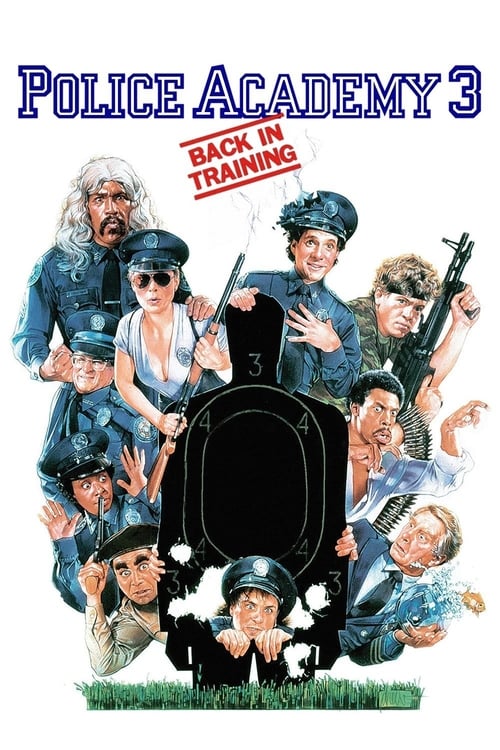
Police Academy 3: Back in Training is a 1986 American comedy film directed by Jerry Paris. It is the third installment of the Police Academy franchise and the sequel to Police Academy 2: Their First Assignment.
Despite receiving generally negative reviews, it was an overall box office success, earning $107 million against a budget of $12 million. It is the final directorial effort and film appearance of Jerry Paris, who died 10 days after the films release. The film was followed by Police Academy 4: Citizens on Patrol (1987).
Contents
Plot
In an unnamed city, the governor announces that, for budgetary reasons, one of the state's two police academies—run by Commandants Eric Lassard and Ernie Mauser, respectively—is to be closed. Mauser, along with his dim-witted captain, Carl Proctor, conspires with two unscrupulous officers from Lassard's academy, Chad Copeland and Kyle Blankes, to ensure Lassard's institution fails, in exchange for career promotions. Meanwhile, Lassard enlists his current instructors—the glamorous Lieutenant Debbie Callahan, soft-spoken Laverne Hooks, and prankster Larvell Jones—along with a trio of successful former cadets to serve as trainers: the laid-back Carey Mahoney, the towering and strong Moses Hightower, and gun enthusiast Eugene Tackleberry.
New recruits arrive for training, including bumbling Sergeant Douglas Fackler's wife, Violet; the meek Carl Sweetchuck; erratic but reformed ex-gang leader Zed McGlunk, who used to harass Sweetchuck's store; Tackleberry's brother-in-law Bud Kirkland; and the beautiful Karen Adams, whom Mahoney quickly takes a liking to. Mauser transfers Officer Tomoko Nogata, a Japanese exchange officer from Tachikawa, Tokyo, to Lassard's academy, hoping that his ethnicity and broken English will reflect poorly on the institution.
The cadets undergo several weeks of training. Nogata becomes smitten with Callahan, who is impressed by his combat skills. Meanwhile, Sweetchuck, overwhelmed by having to share a room with Zed, decides to quit, until Tackleberry convinces him to stay, promising protection and support. During a training exercise, the recruits' clumsy performance fails to impress the oversight committee evaluating the academies. However, Bud redeems their standing by winning the inter-academy boxing match.
Mauser directs Copeland and Blankes to sabotage the recruits, keeping them sleep-deprived and assigning them premature fieldwork in front of the committee. This leads to a committee member being briefly abducted by Zed's old gang and Violet flipping a police car during a pursuit. Later, when Mauser arrives at a bar to mock Mahoney and the others, they retaliate by applying strong tape over his eyes, which rips off his eyebrows when removed.
Lassard and Mahoney rally the cadets with an uplifting speech, restoring their morale, leading to Karen reciprocating Mahoney's attraction, while Tomoko—following Jones' advice—successfully seduces Callahan. At the policepersons' ball, after being insulted by Proctor, Mahoney enlists an old prostitute friend to trick him into stripping and locking him out of his hotel room. Proctor flees toward the academy but mistakenly stumbles into the Blue Oyster Bar, a notorious gay biker establishment.
Cast
Lassard Academy
Steve Guttenberg as Sergeant Carey Mahoney
Bubba Smith as Sergeant Moses Hightower
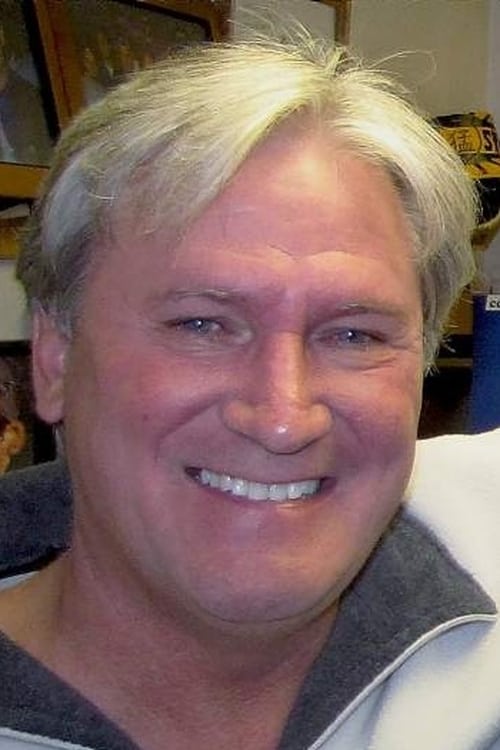
David Graf as Sergeant Eugene Tackleberry
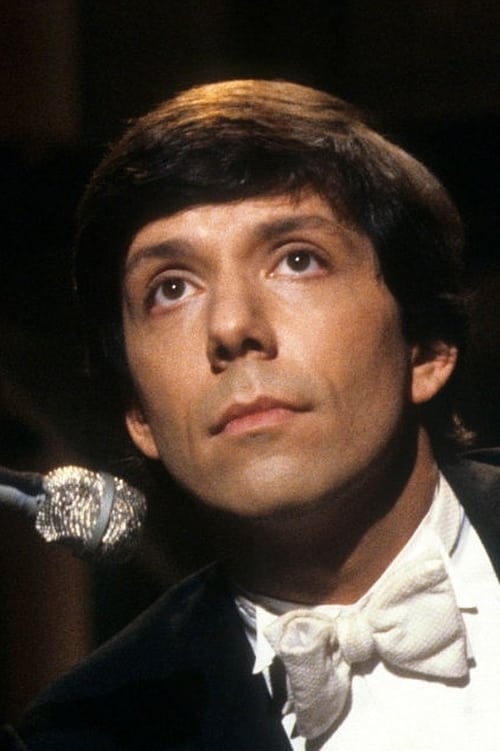
Michael Winslow as Sergeant Larvell Jones
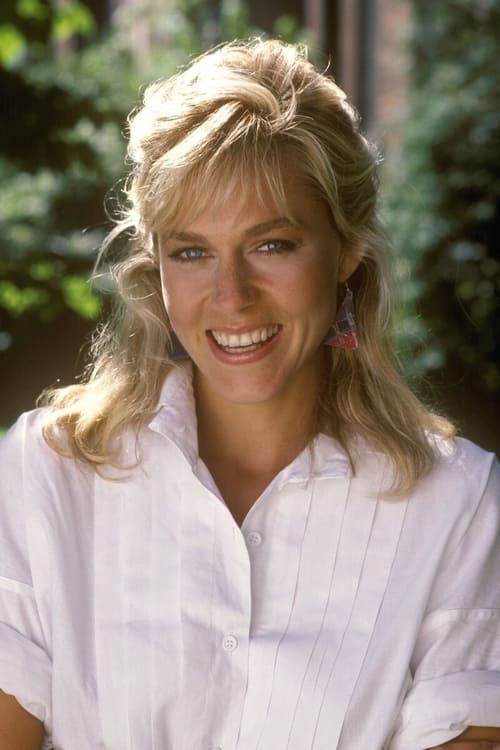
Leslie Easterbrook as Lieutenant Debbie Callahan
Marion Ramsey as Sergeant Laverne Hooks
Bruce Mahler as Sergeant Douglas Fackler
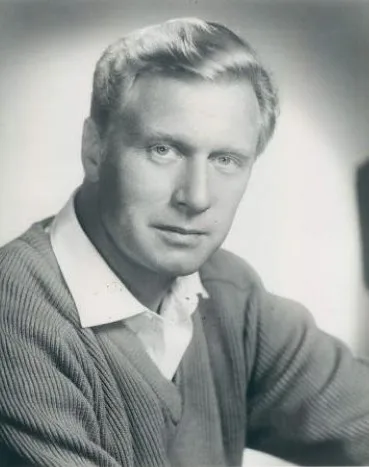
George Gaynes as Commandant Eric Lassard
Scott Thomson as Sergeant Chad Copeland
Brant von Hoffman as Sergeant Kyle Blankes
Mauser Academy
Art Metrano as Commandant Ernie Mauser
Lance Kinsey as Captain Carl Proctor
Lassard's Cadets
Debralee Scott as Cadet Violet Fackler
Tim Kazurinsky as Cadet Carl Sweetchuck
Brian Tochi as Cadet Tomoko Nogata
Andrew Paris as Cadet Bud Kirkland
Bobcat Goldthwait as Cadet Zed McGlunk
Shawn Weatherly as Cadet Karen Adams
David Huband as Cadet Hedges
Marcia Watkins as Cadet Sarah
Mauser's Cadets
R. Christopher Thomas as Cadet Baxter #1
David James Elliott as Cadet Baxter #2
Others
George R. Robertson as Commissioner Henry Hurst
Ed Nelson as Governor Neilson
Georgina Spelvin as Hooker
Arthur Batanides as Mr. Kirkland
Chas Lawther as Mr. Delaney
Doug Lennox as Main Bad Guy
TJ Scott as Robber
Jerry Paris as Priest
Production
As with other films in the series, the film was shot primarily in Toronto, Ontario, Canada . The city skyline is clearly identifiable in the concluding yacht club scenes. There is also the scene where police recruit Violet Fackler (Debralee Scott) drives a police car up and over a dirt pile out of an alley. At the end of the alley, there is a Toronto Sun paper box. The city grid shown on the computerized dispatch system also shows a map of downtown Toronto streets, with the detail bordering between Trinity, Yonge and Queen streets, and the Gardiner Expressway. In the scene in which Eugene Tackleberry (David Graf) shoots out the television screen with his gun, a Canada Dry soda machine is visible in the background next to a 'C' Plus soda machine, an orange-flavored sparkling beverage that is only sold in Canada.
Reception
Box office
The film debuted at number one at the box office in the United States. The film grossed $43,579,163 in the United States making it the 17th highest-grossing film of 1986 in the United States. It faced stiff box office competition from many other high-profile comedy films released early that year such as Back To School, Ruthless People, Ferris Bueller's Day Off, Down And Out In Beverly Hills, Legal Eagles, Short Circuit, Running Scared, The Money Pit, Gung Ho, Hannah and Her Sisters, Wildcats and Jo Jo Dancer, Your Life Is Calling. The film grossed $107,639,000 worldwide from a budget of $12 million.
Critical response
On Rotten Tomatoes, it has an approval rating of 36% based on reviews from 11 critics. On Metacritic, it has a score of 33 out of 100 based on reviews from 8 critics, indicating "generally unfavorable reviews". Audiences polled by CinemaScore gave the film a grade
B+.
Variety wrote: "Cast of cartoon misfits is still basically intact and if Police Academy 3 has any charm it's in the good-natured dopeyness of these people. No bones about it, these people are there to laugh at." Kevin Thomas of the Los Angeles Times wrote: "The most you can say for Police Academy 3: Back in Training (citywide) is that it's no worse than Police Academy 2—which was awful."
Sequel
A sequel titled Police Academy 4: Citizens on Patrol, was released in 1987.