History
In the fall of 1973, Goscinny, Uderzo, Morris and their publisher Georges Dargaud joined forces to create their own animation studio, the Idéfix studios. At the time, launching the creation of a cartoon feature film in France was complex, considering that France no longer had a major animation studio ever since the closure in 1952 of Les Gémeaux, ruined by the project of The Shepherdess and the Chimney Sweep.
Prior to Idéfix, the works of the founders were animated and adapted to films by Belvision Studios, based at Brussels in Belgium.
As the founders themselves said,
Goscinny and I were very unhappy watching the previous films, even if the public had followed them. The first two films were not a claim to fame for us. And we had to go through the premieres several times… By dint of seeing these flaws again and again, which we felt more and more because we knew them better, they had become enormous! For this one, we can avoid this kind of thing. Goscinny and I are doing the storyboarding and we hope to oversee everything. Because this time the cartoon will be produced in Paris, by a studio that we created ourselves. We will be both authors and directors, we will work really closely with the animators. If we're embarking on this adventure, it's because we've pulled out all the stops!
It's an old childhood dream that we had with Albert Uderzo, who actually started out in cartoons. It's the culmination of ten years of work, because we started making cartoons in other studios. It took ten years before we could have our own studios and make the films the way we wanted them. We did it, I must say, thanks to Asterix, who is a miracle character and who is our star, and who allowed us in many ways to realize this dream.
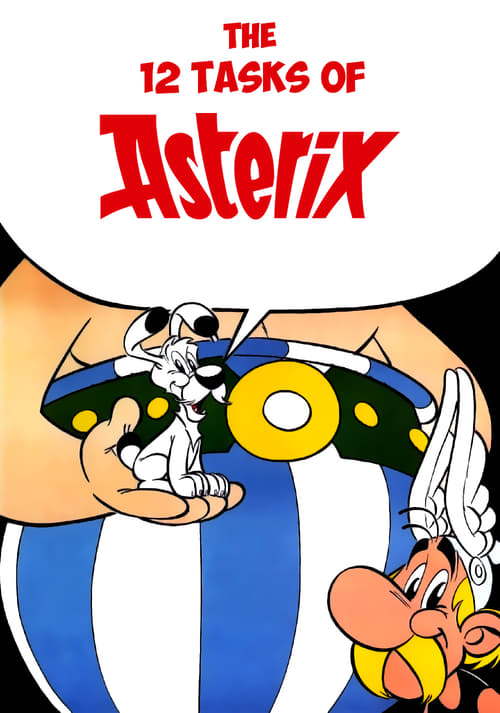
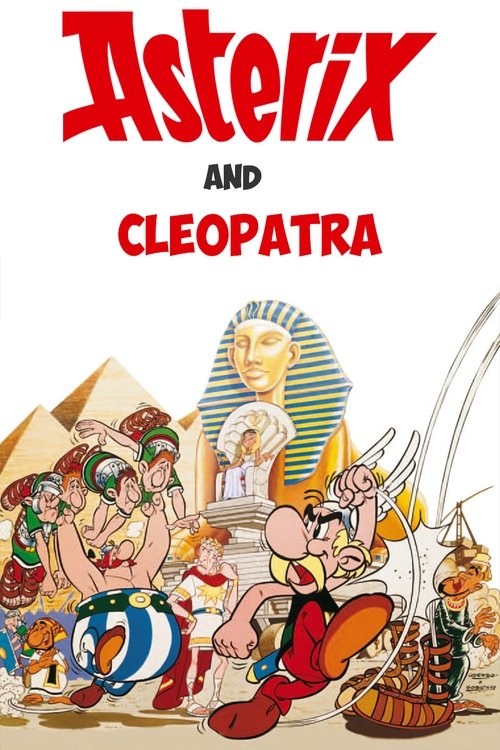
René Goscinny called Henri Gruel to constitute the technical and artistic teams of the Idéfix studios. The latter directed several animated short films and was responsible for the sound effects of Asterix the Gaul and Asterix and Cleopatra, as well as the two productions by Pierre Tchernia scripted by Goscinny, Le Viager and Les Gaspards. Gruel gets Goscinny to share the artistic direction of the studios with Pierre Watrin, whom he considers to be an excellent designer, one of Paul Grimault's best former animators. Over several months, Gruel and Watrin contacted former artists and animators, as well as promising young artists. Most of Paul Grimault's former animators then worked in small cartoon structures, and would be interested in the idea of working again in a real studio. However, the search for Pierre Watrin and Henri Gruel ultimately proved difficult, most of the former employees of the Les Gémeaux studios having converted to illustration and advertising. Talent was lacking and, at Goscinny's request, Henri Gruel sent his friend Serge Caillet, production director on live-action films, to the Paris Chamber of Commerce and Industry to demand the opening of an animated cinema section to supply the studios with young artists, who thus offer employment to students as soon as they leave school. Eventually, they managed to produce their first feature film, The Twelve Tasks of Asterix, with Halas and Batchelor and Dargaud.
However, in 1977, during the production of their second (and final) production, Goscinny died of a sudden heart attack. So, after the release of their second feature, The Ballad of the Daltons, a Lucky Luke feature, the studio ceased operations and closed shop permanently.