Style and influences
Inspiration for Linklater's work was largely based on his experience viewing the film Raging Bull.
It made me see movies as a potential outlet for what I was thinking about and hoping to express. At that point I was an unformed artist. At that moment, something was simmering in me, but Raging Bull brought it to a boil.
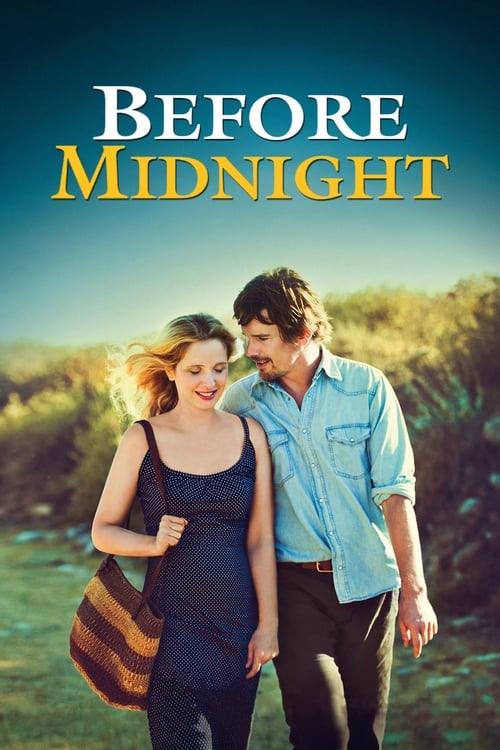
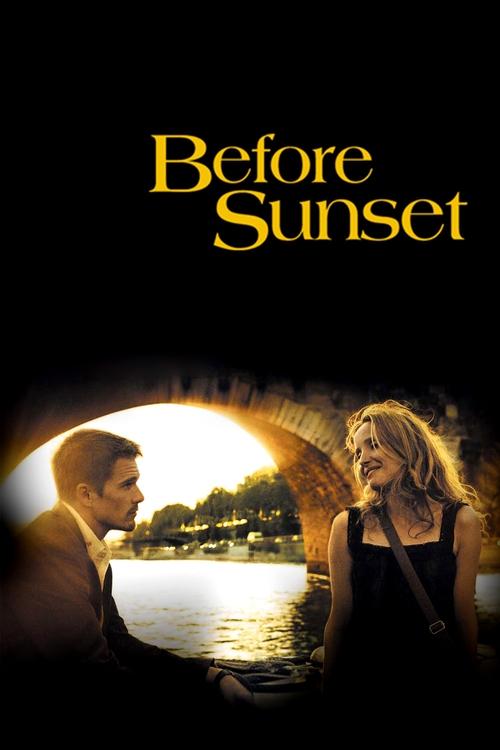
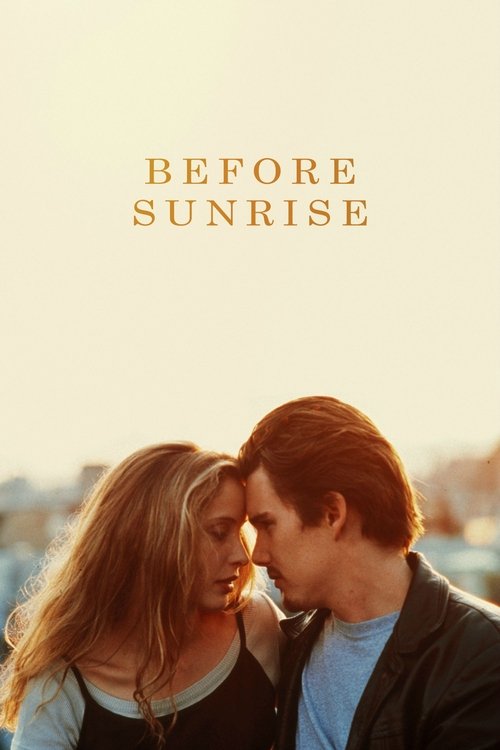
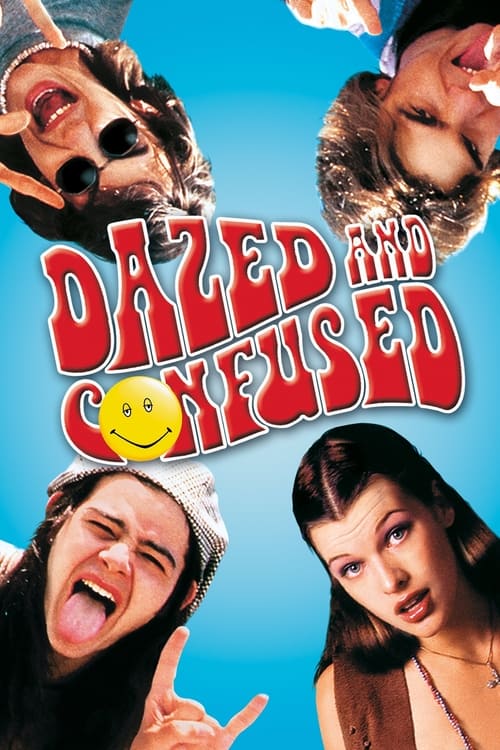
He was also influenced by Robert Bresson, Yasujirō Ozu, Rainer Werner Fassbinder, Éric Rohmer, François Truffaut, Josef Von Sternberg, and Carl Theodor Dreyer. Many of Linklater's films including Slacker, Dazed and Confused, Tape, and all three installments of the Before Trilogy, take place in a single day. They are less plot-driven than about human interactions. His films often prioritize character, mood, and philosophical inquiry, allowing scenes to unfold in real time or within compressed temporal frames.
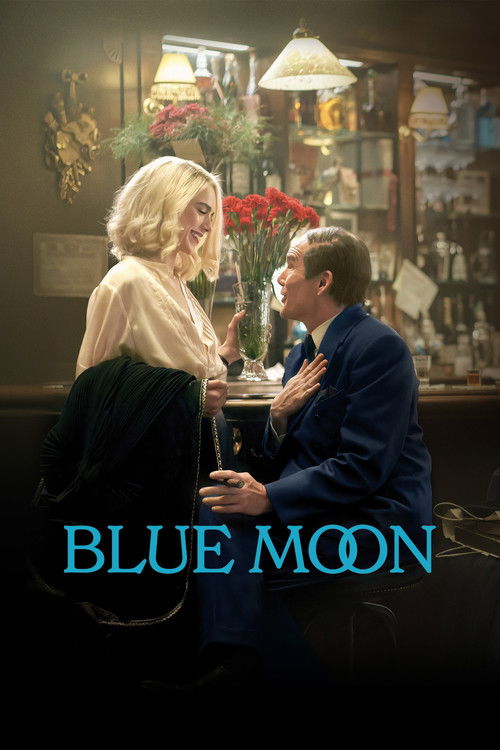
Much of Linklater’s work is driven by conversation and philosophical inquiry. Films such as Slacker, the Before trilogy, Waking Life, and Tape rely heavily on extended dialogue to explore themes of identity, time, morality, relationships, and personal belief systems. Dialogue in these films functions as the primary dramatic engine, with characters using conversation as a means of self-examination and connection. More recent works such as Blue Moon continue this approach, reinforcing Linklater’s interest in cinema as a space for ideas, reflection, and human interaction.
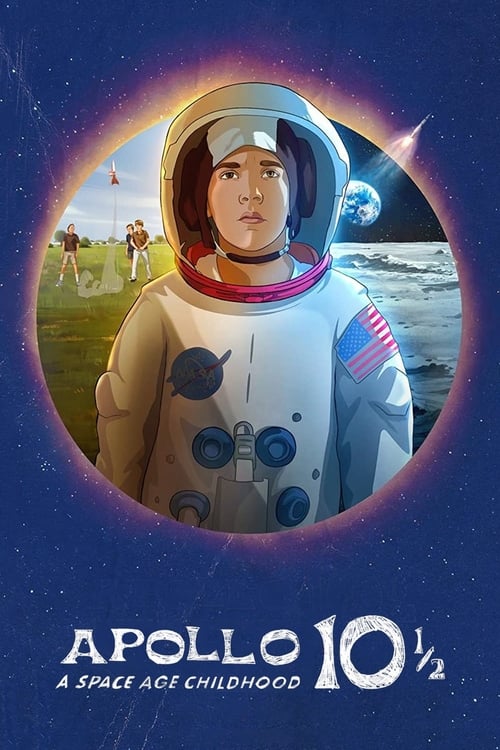
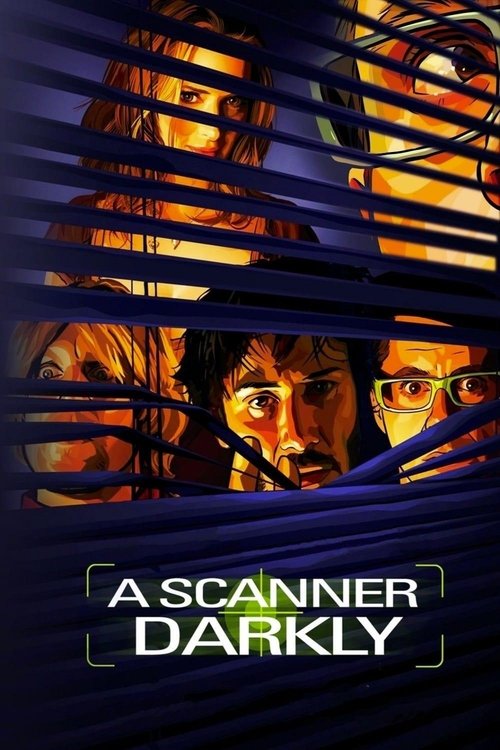
Linklater has also experimented extensively with animation, particularly rotoscoping, using it as a tool for memory, subjectivity, and philosophical inquiry. Waking Life (2001) employs animation to explore dreams, consciousness, and existential thought, while A Scanner Darkly (2006) uses the technique to mirror paranoia, identity fracture, and altered perception. In Apollo 10½: A Space Age Childhood (2022), Linklater blends rotoscoped animation with autobiographical nostalgia, evoking childhood memory and the cultural atmosphere of the 1960s space race through a subjective, recollective lens.
He is known for a rehearsal-intensive, text-driven approach to filmmaking, believing that extensive preparation enables spontaneity and emotional precision on set. Rather than relying on improvisation during shooting, Linklater treats rehearsal as a central creative process, fostering collaboration and ensemble dynamics. This method has contributed to performances that feel casual and unforced while being carefully constructed beneath the surface. Frequent collaborator Ethan Hawke has likened Linklater’s process to that of Sidney Lumet, stating that rehearsal is non-negotiable for the director and the primary space where creativity, ensemble dynamics, and performance are forged.