2020 trial
Durst's trial for the murder of Susan Berman was scheduled to begin in Los Angeles after Durst was arraigned in California, but his transfer was delayed by the U.S. Bureau of Prisons due to "serious surgery," according to DeGuerin. A conditional hearing was convened in February 2017, where Nick Chavin, a close friend of Durst's and at whose wedding Durst served as best man, testified that he had personally confided to having murdered Berman. A preliminary hearing was initially scheduled for October 2017, but was postponed to April 2018 to accommodate Durst's defense team, some of whom suffered damage to their homes and offices from Hurricane Harvey.
The pretrial hearings included extensive testimony from a number of older witnesses who potentially would not be available when the trial itself began. In October 2018, Los Angeles County Superior Court Judge Mark Windham ruled that enough evidence existed to try Durst for the murder of Berman, and that he would be arraigned November 8. During his court appearance the following day, Durst pleaded not guilty. In January 2019, Windham set Durst's trial date as September 3, 2019.
At the same time, Judge Windham ruled that prosecutors could present evidence involving the Black murder. Prosecutors would try to connect Berman's death with McCormack's disappearance, which they argued was the foundation for the motive for the murder. In his ruling that prosecutors could use evidence from the Black case, Judge Windham said the killings of Black and Berman seemed "to be intertwined." The murder charge against Durst included the special circumstance allegations of lying in wait and killing a witness to a crime. It was further alleged that Durst had used a handgun to carry out the murder.
In May 2019, a motion filed by Durst's attorneys claimed two handwriting samples (the anonymous "cadaver note" to Beverly Hills police, and a letter in 1999 from Durst to Berman), along with other evidence from his 2015 arrests, were obtained in violation of the Fourth Amendment, thus moving for their exclusion. On May 8, Los Angeles County prosecutors filed an affidavit replying to the motion, charging that Durst was creating an elaborate conspiracy theory between the HBO filmmakers, law enforcement officers and the Los Angeles County District Attorney's office to make Durst "incriminate himself." On May 17, Windham granted Durst's defense team a four-month postponement of his trial after they raised concerns about the volume of evidence in the case and conflicts with attorney schedules.
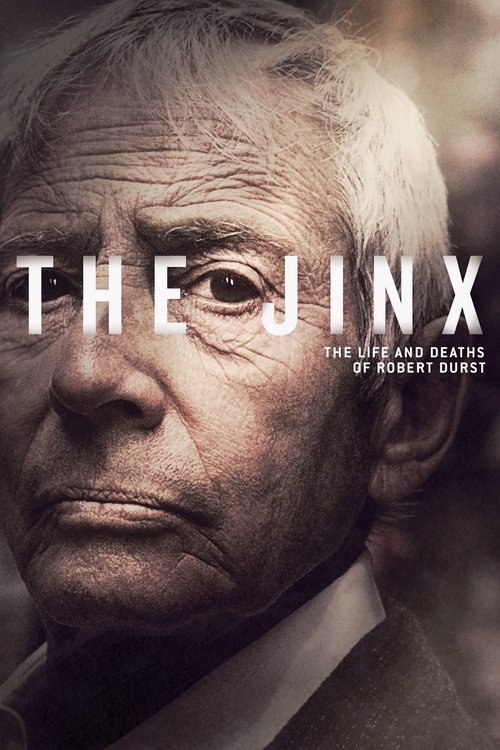
On September 3, 2019, Windham rejected an attempt by Durst's attorneys to strip the producers of The Jinx of protection under California's journalist shield law by having them declared "government agents." A number of other procedural rulings also went against Durst. Lewin set another hearing on discovery and other matters for October 28. Additional evidential hearings were held in December 2019 regarding the admissibility of statements Durst made in March 2015 just after his arrest in New Orleans, in an interview with Lewin.
In a surprise move on December 24, 2019, Durst's lawyers contradicted his previous statements and filed court documents admitting that Durst wrote the "cadaver note." In all previous statements Durst had consistently denied writing the note, although the handwriting appeared to be similar to his own as was the misspelling of the word "Beverley" contained in a prior letter to Berman that Durst admitted to authoring. During the filming of The Jinx, Durst told the filmmakers that the person who wrote the "cadaver note" was taking a "big risk" because it was something "that only the killer could have written." Durst told his godson, Howard Altman, "The person who wrote the note killed her." However, in August 2019, Durst's attorneys also argued, "What the note demonstrates is that the person who mailed it was aware that there was a body at the house, not that the individual murdered Susan Berman."
On March 2, 2020, Durst appeared in court to begin his trial, which was expected to take several months. However, the proceedings were postponed amid the COVID-19 pandemic. In June 2020, a motion by the defense for a mistrial because of the delay was denied. The following month, Windham ruled that a further delay until April 2021 was necessary due to the pandemic, but he would allow the trial to proceed if Durst agreed to a bench trial, without a jury. Durst declined this option and the trial was scheduled to resume on April 12, 2021. It was then postponed until May 17, 2021.
On May 13, 2021, Durst's lawyers filed a motion with the court saying Durst had developed bladder cancer, and moved that the court postpone the trial indefinitely and to release him on bail to receive medical treatment that was currently being provided. The motion was denied by the court and the trial resumed on May 17, with Windham questioning jurors about whether they could still remain neutral in the case after a fourteen-month break.
On June 10, Durst was hospitalized after being found "down and not in his wheelchair." Windham sent the jury home with plans to resume on June 14. Lewin expressed suspicion that the defendant was faking a medical crisis to force a mistrial because he was "on record" in his calls from county jail saying he intended to feign dementia or seek a mistrial due to COVID-19. "I have no idea whether this is legitimate or not, but obviously, given his history, it's certainly suspect as to what his actual condition is," Lewin said. Noting that Durst's lawyers had twice sought mistrials during the previous day's testimony, the prosecutor added, "It's very clear the defense and the defendant want this trial to go away." Prison doctors determined Durst was able to appear in court after the emergency hospitalization, which was for a urinary tract infection and sepsis, and Windham reconvened the trial on June 14. Durst appeared in court in his wheelchair, attached to a catheter bag and covered in a large blanket.
As testimony continued, Durst's brother Douglas appeared as a prosecution witness on June 28. Saying he was reluctant to appear at the trial and was doing so under threat of subpoena, Douglas was asked about his relationship with his brother: "He'd like to murder me. I hired security today. I have fear that my brother has threatened to kill me, and I have fear that he may have the means to do so."
On July 29, Durst's defense team asked again for an emergency halt to the case based on his poor medical condition, saying he was not able to testify on his own behalf, but was again rejected on August 2, with Windham giving numerous examples of Durst's competency. The prosecution closed its case against Durst after eleven weeks of presenting evidence primarily consisting of friends and associates of Berman's saying she had admitted providing Durst's alibi after McCormack's disappearance. Chavin testified that Durst told him, "I had to. It was [Berman] or me. I had no choice."
The defense opened up its case with extensive testimony from "false memory" expert Elizabeth Loftus, questioning the decades-long recollections of prosecution witnesses. Although highly unusual for a murder case, Durst himself was expected to testify on his own behalf on August 5, but court was adjourned until August 9 due to a positive COVID-19 test of a relative of Durst's legal team who had been attending the trial. Durst appeared on the stand for fourteen days, under questioning from Lewin, who gave seemingly endless examples of Durst's propensity to lie. Lewin cornered Durst to the point he admitted lying while under oath during the Black trial, and that he lied five times while on the stand in the present trial. Durst and Loftus were the only witnesses the defense called. On September 14, the jury was charged with reaching a verdict by Windham.
On September 17, 2021, Robert Durst was convicted for the first-degree murder of Susan Berman; Durst thus faced the possibility of a life sentence. He was also found guilty of multiple special charges. His lawyers promised to pursue "all avenues of appeal." On September 24, Durst's lawyers filed a motion with Windham to request a new trial. The reasoning was basically the same as they gave in Durst's trial defense: no physical evidence was presented, witnesses for the prosecution were not to be believed and the entire prosecution case was nothing but an unproven theory.
On October 14, Durst was sentenced to life imprisonment without the possibility of parole for Berman's murder. The request from Durst for a new trial was denied by the court in view of the abundance of evidence of his guilt. Following the conviction, Durst's legal team immediately filed appeals in the California legal system. As such, his appeals would be dismissed by the California Court of Appeal, and the conviction set aside, as his death prevented the appeals from being heard.