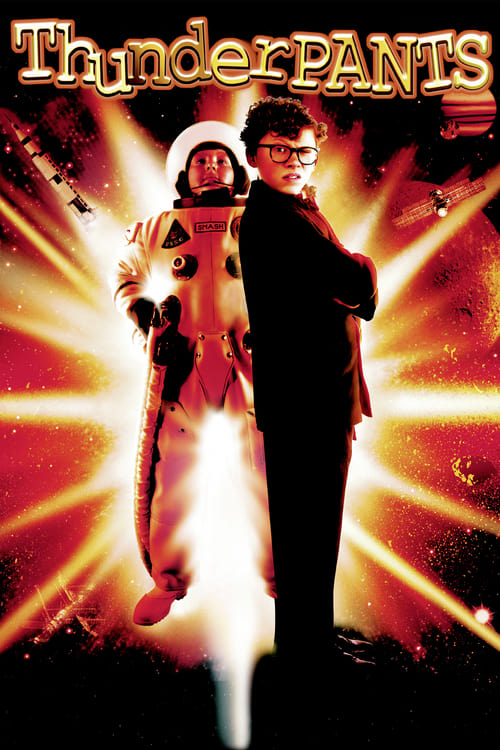
1999–2011: Harry Potter and worldwide recognition
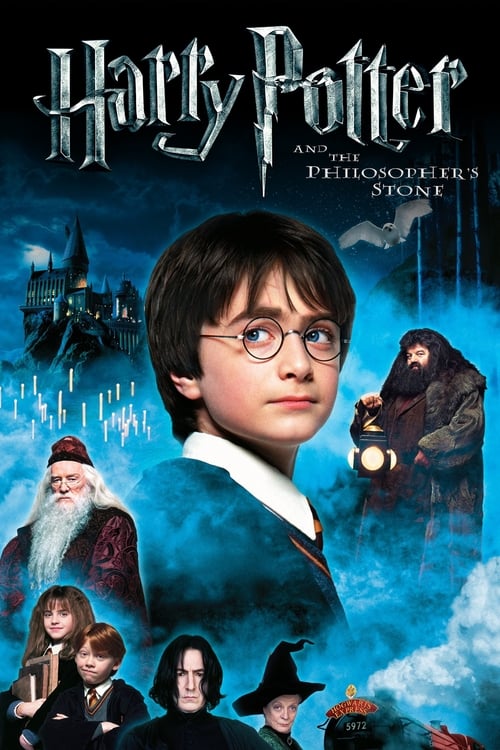
Starting in 1999, casting began for the film adaptation of Harry Potter and the Philosopher's Stone, the best-selling novel by J. K. Rowling. Rowling insisted the cast be British and assisted Susie Figgis and director Chris Columbus in casting the roles. Grint, a fan of the book series, chose to audition for the role of Ron Weasley, one of Harry Potter's best friends at Hogwarts. Having seen a Newsround report about the open casting, he sent in a video of himself rapping about how he wished to receive the role, and the casting team asked for a meeting with him.
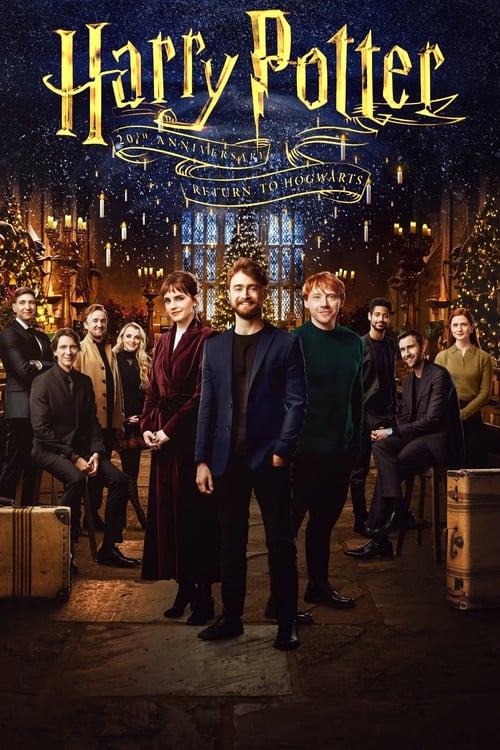
In August 2000, Daniel Radcliffe, Emma Watson, and Grint were selected to play Harry, Hermione Granger, and Ron. Grint is the oldest member of the trio. The release of Harry Potter and the Philosopher's Stone in 2001 was Grint's debut screen performance. Breaking records for opening-day sales and opening-weekend takings, it was the year's highest-grossing film. With a total of US$974 million in its theatrical run, it stands as the series' second most commercially successful entry. It was critically well-received, scoring mainly positive reviews. However, a number of critics found the adaptation's faithfulness to the book both its best and worst quality. Grint won a Satellite Award in the category of Outstanding New Talent, and a Young Artist Award for Most Promising Young Newcomer.
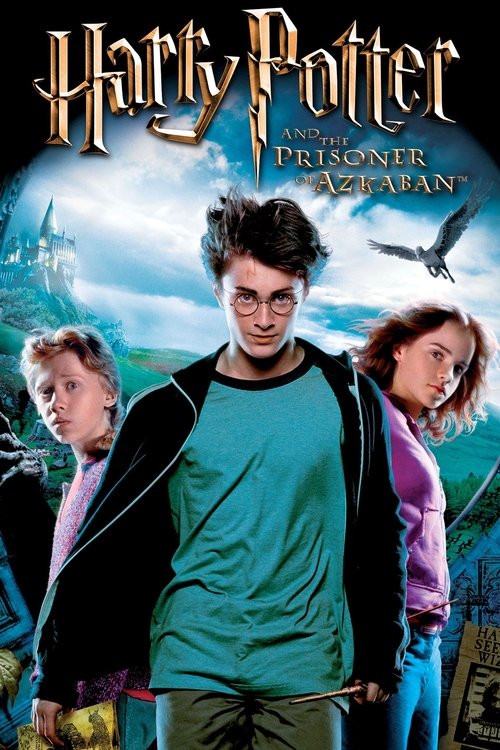
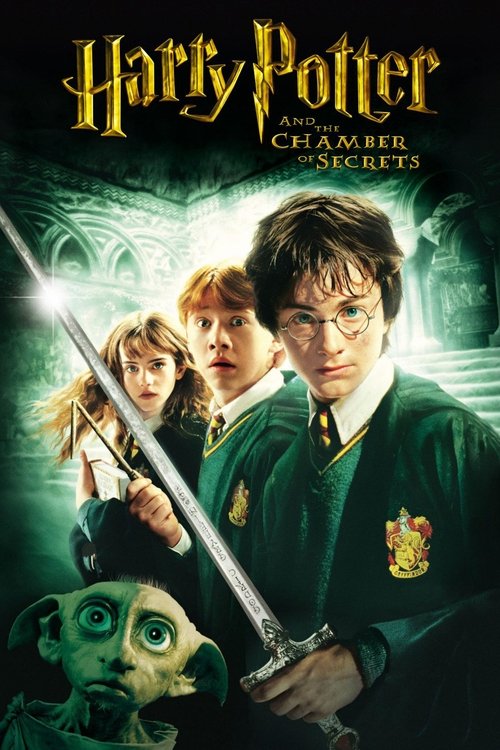
A year later, Grint again starred as Ron in Harry Potter and the Chamber of Secrets (2002). It opened to positive reviews and critics generally enjoyed the lead actors' performances. Both Los Angeles Times and New York Magazine observed that Grint and his peers had matured between films, with the latter pointing out that Grint had become "more proficient" and said they missed "the amateurish ardour" the actor and Watson carried in Philosopher's Stone. Harry Potter and the Prisoner of Azkaban (2004) was released on 31 May in the UK. The film sees all three of its lead characters hover on the brink of adolescence, "and while they look braver and more capable than before, the dangers they face seem far more grave and their vulnerability more intense." Alfonso Cuarón took over direction for Prisoner of Azkaban, which remains the lowest-grossing Harry Potter film with US$795 million in revenue. Nonetheless, it was the second highest-grossing movie of 2004, behind Shrek 2.
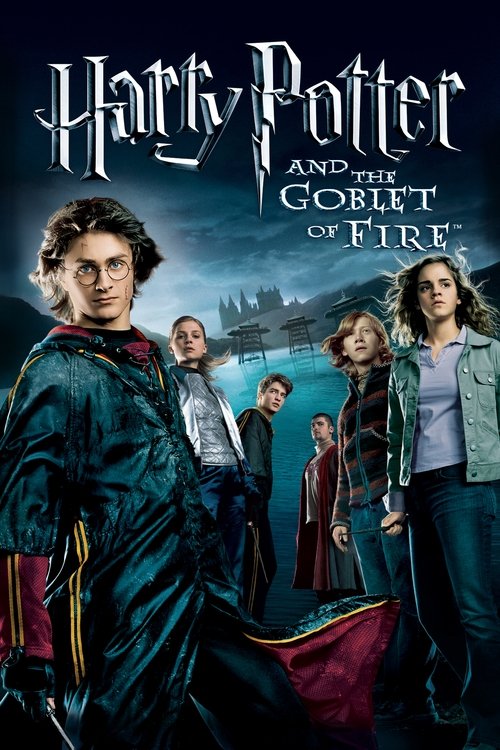
In 2005, Grint reprised his role for the fourth film in the series – Harry Potter and the Goblet of Fire. The adaptation, unlike previous films, explored romantic elements and included more humour. In a 2005 interview with IGN, all three lead actors singled out humour as a reason for the film's success. It was directed by Mike Newell, whom Grint characterised as "really loud and not afraid to swear at you, but he was really cool". Goblet of Fire is one of the series' best-reviewed instalments, and is noted for its characters' maturity and sophistication, darker and more complex plotline, and the quality of the screenplay and lead actors' performances.
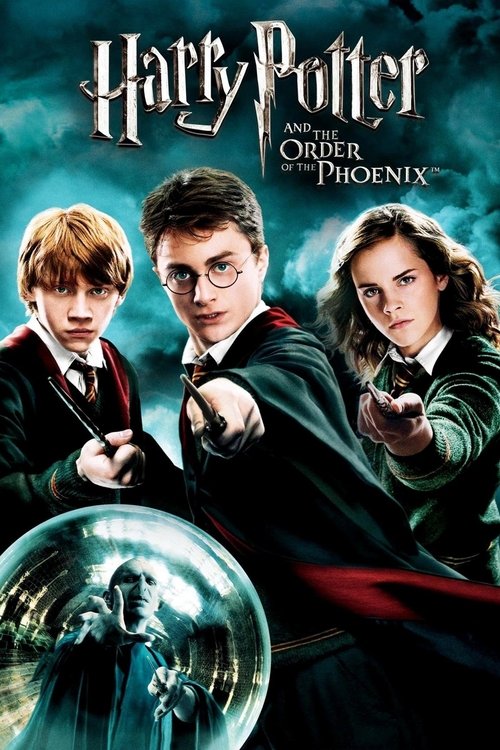
Harry Potter and the Order of the Phoenix, the fifth film in the Harry Potter franchise, was released to cinemas in 2007. A huge financial success, it set a record worldwide opening-weekend gross of US$394 million, superseding Spider-Man 3. It was directed by a new filmmaker, David Yates, who directed all of the subsequent Potter films. Grint said the laid-back director was "really good" and helped keep the material fresh. Grint and his Harry Potter co-stars left imprints of their hands, feet and wands in front of Grauman's Chinese Theater in Hollywood.
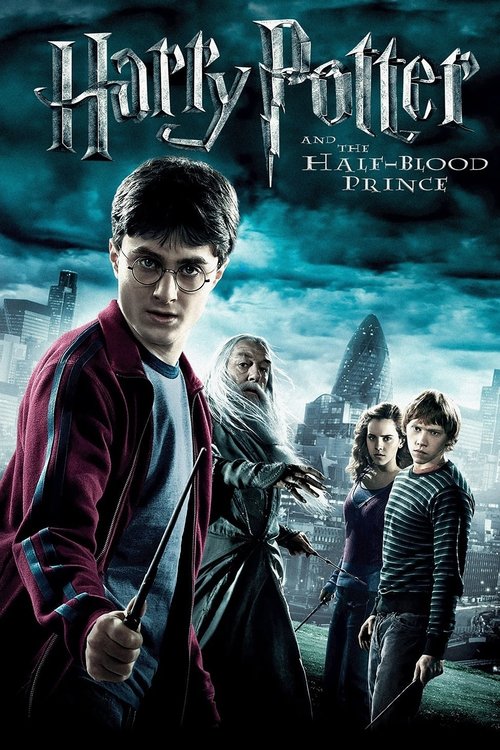
On 15 July 2009, the series' sixth instalment, Harry Potter and the Half-Blood Prince, was released and again set box office records. In its theatrical run, it earned US$933 million ticket sales. It is also one of the most positively reviewed Harry Potter films, with critics praising its "emotionally satisfying" story, direction, cinematography, visual design and music. Grint observed a change in Ron in this entry, pointing out that his once insecure, often overshadowed character started to become more secure and even began to show a dark side. He found it fun to personify a more emotional Ron. Between 2009 and 2010, Grint's work received three award nominations, including one win—an Otto Award from the German magazine Bravo.
Despite the previous films' successes, the franchise's future was put into question when the three lead actors had reservations about signing on for the final two films. However, by March 2007, Grint agreed to return for the last installments. For financial and scripting reasons, the final book was divided into two films, shot back-to-back, with filming concluding in June 2010. After completing the final film, Grint said: "I mean it literally has been my childhood, and suddenly it all came down to really just one random scene, with us jumping through a fireplace, and then it was over. ...it's very odd. Because suddenly it was all over, just like that. It was really emotional for all of us, realising that we're never going to be doing this again."
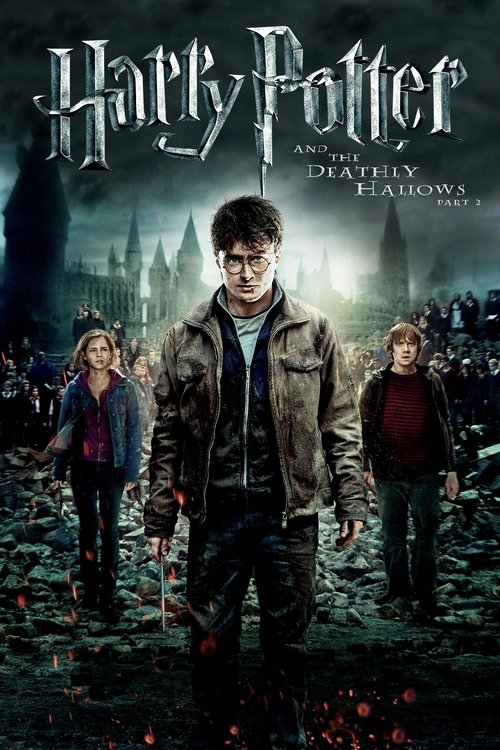
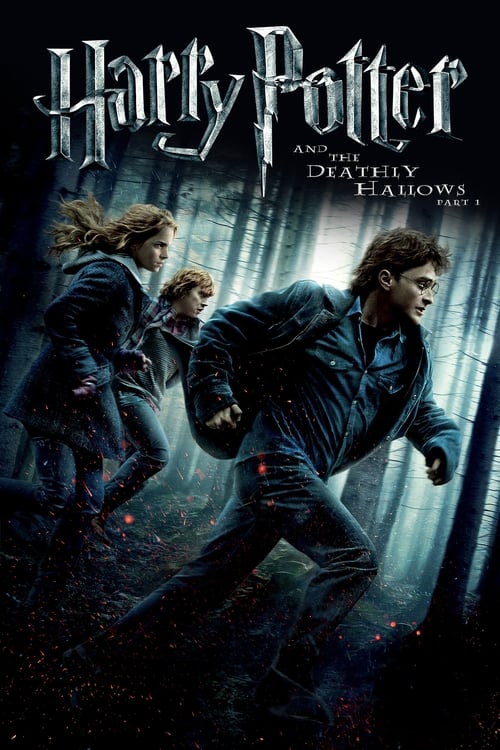
Harry Potter and the Deathly Hallows – Part 1 (2010) was released in November and grossed over US$950 million. It set several box office records and received mostly favourable reviews. Grint's portrayal of Ron again earned him critical praise. Reviewing the adaption for Slate, Dana Stevens called all three of the leads "terrific". Although he disliked the film, Joe Morgenstern of The Wall Street Journal wrote that "Grint has grown up to be a skilful actor who knows the value of a slow burn". Grint's performance brought him nominations from the MTV Movie Awards and National Movie Awards for Best Fight and Performance of the Year in 2011. He reprised his role for the seventh time in Harry Potter and the Deathly Hallows – Part 2, the final Harry Potter instalment. It resumed from where the previous film left off, and included a lot of action, whereas Part 1 had focused more on character development. Grint, along with the film, was critically acclaimed: Ann Hornaday of The Washington Post wrote, "Who could have predicted that Radcliffe, Grint and Watson would turn out to be good actors?". The film broke several box office records, including biggest midnight release, biggest first-day opening, and biggest opening-weekend. Deathly Hallows – Part 2 became the fourth highest-grossing film of all time.
Harry Potter author J. K. Rowling gave a speech at the world premiere of Harry Potter and the Deathly Hallows – Part 2 on 7 July 2011 in London. She said that there were seven Harry Potter film series cast members whom she called "The Big Seven"; Grint was one of them, with Daniel Radcliffe, Emma Watson, Tom Felton, Matthew Lewis, Evanna Lynch and Bonnie Wright.