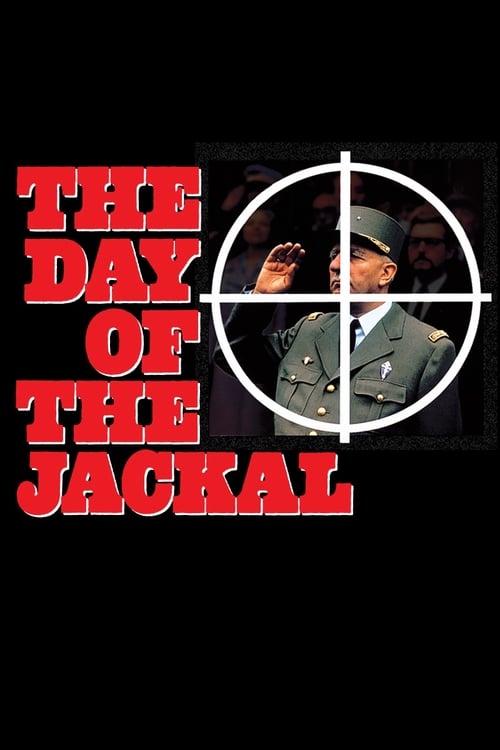

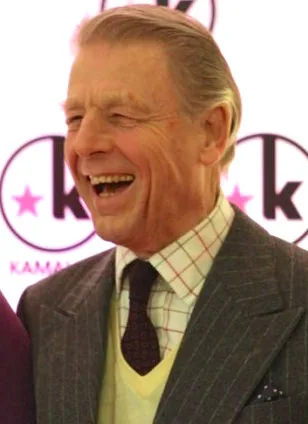
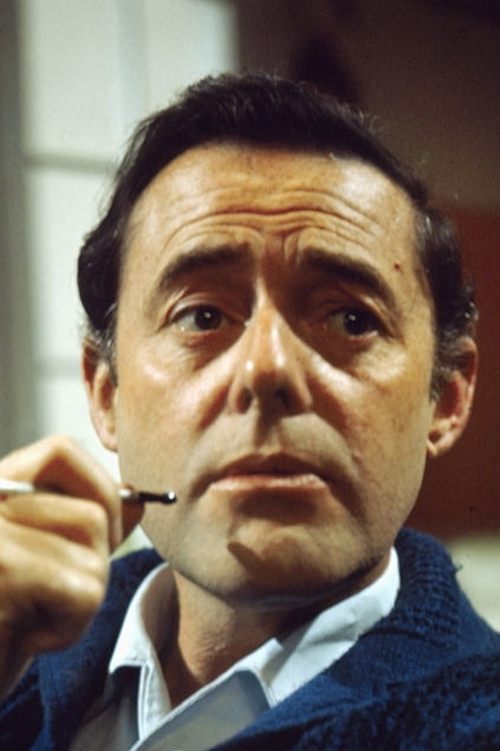
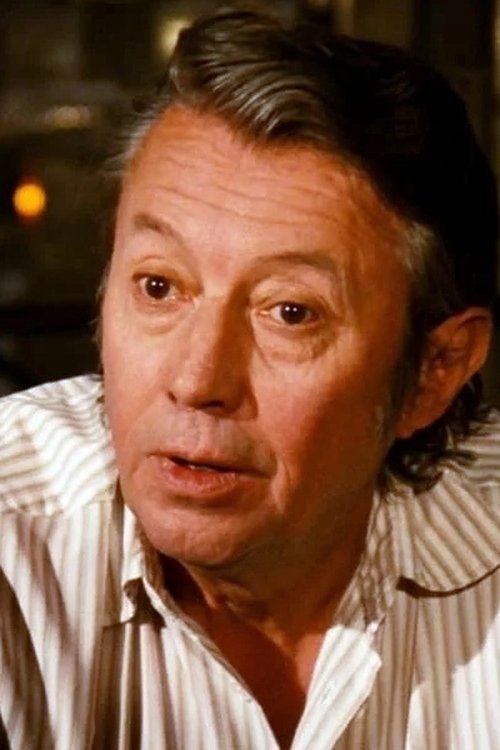
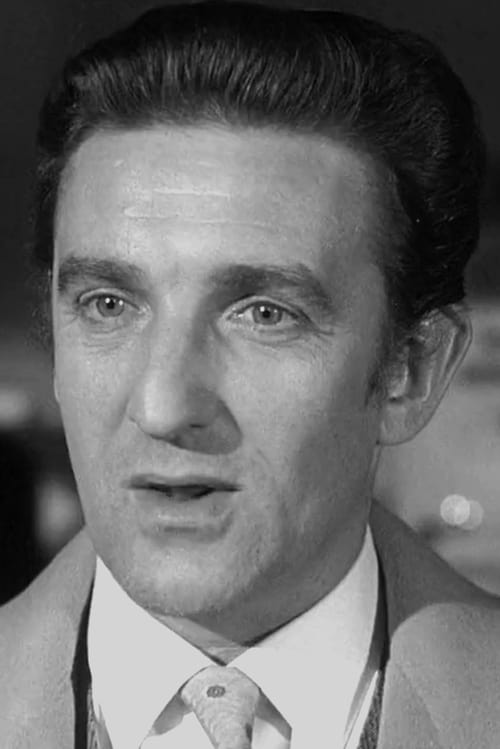

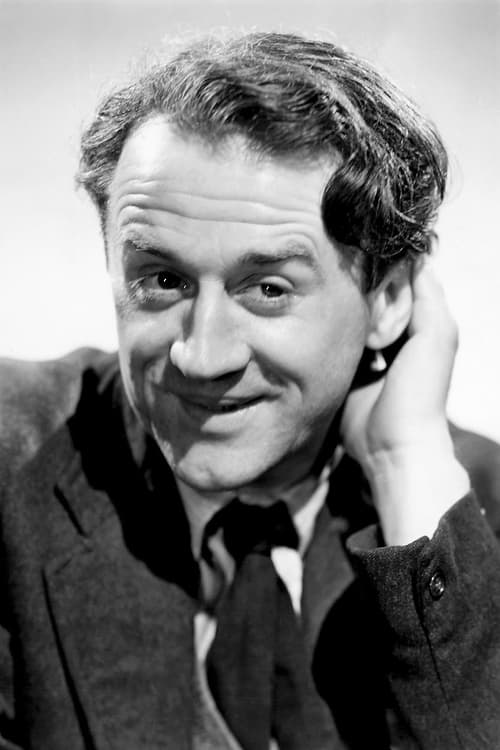
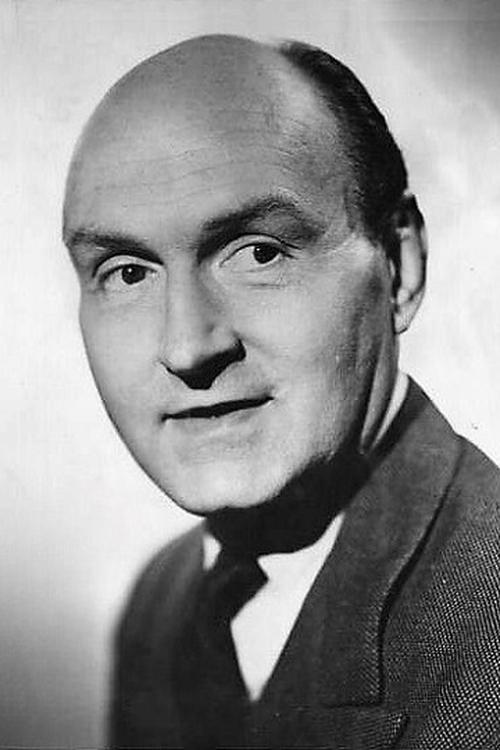

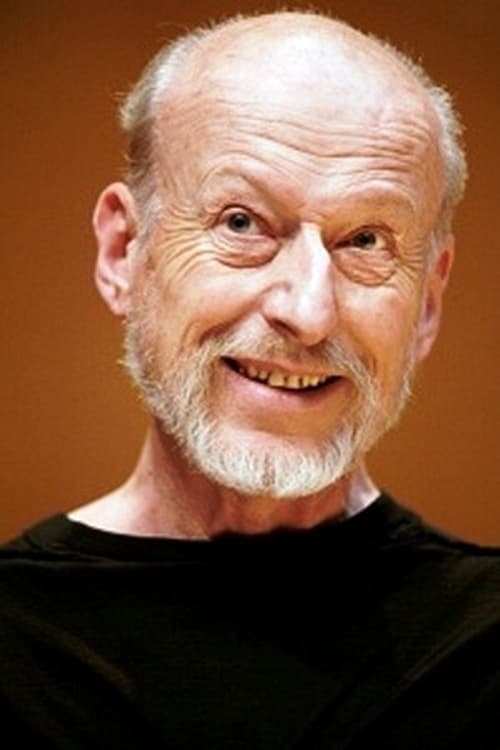
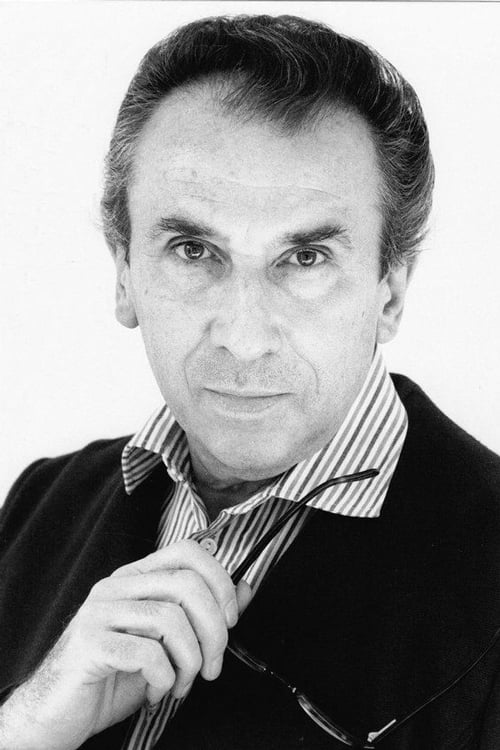
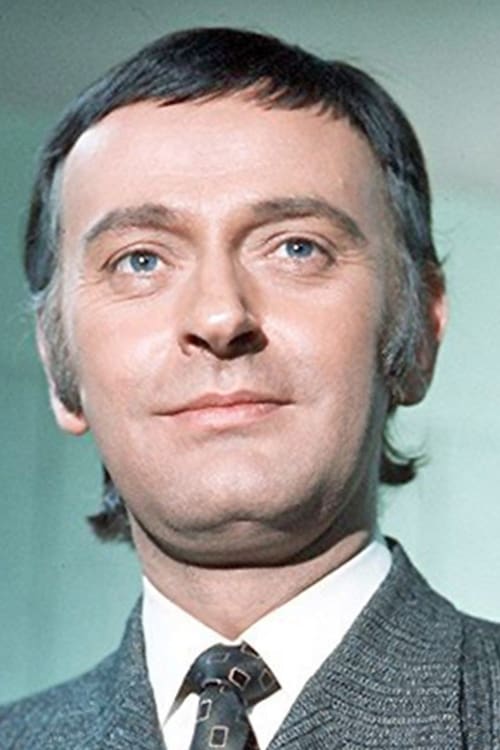


The Day of the Jackal is a 1973 political thriller film directed by Fred Zinnemann and starring Edward Fox and Michael Lonsdale. Based on the 1971 novel by Frederick Forsyth, the film is about a professional assassin known only as the "Jackal" who is hired to assassinate French president Charles de Gaulle in the summer of 1963. It stars Edward Fox as the title character, with Michael Lonsdale, Derek Jacobi, Terence Alexander, Michel Auclair, Alan Badel, Donald Sinden, Tony Britton, Cyril Cusack, Maurice Denham and Delphine Seyrig. The musical score was composed by Georges Delerue.
A co-production of the United Kingdom and France, The Day of the Jackal received positive reviews and went on to win the BAFTA Award for Best Editing (Ralph Kemplen), five additional nominations (including Best Film and Best Direction), two Golden Globe Award nominations, and one Oscar nomination. The film grossed $16,056,255 at the North American box office, returning $8,525,000 in rentals to the studio. In 1999, the British Film Institute ranked it the 74th greatest British film of the 20th century.
A remake of the film was released in 1997. A TV adaptation of the novel and film aired on Sky Atlantic in 2024.
Contents
Plot
The far-right Organisation armée secrète ("Secret Army Organisation") plots to assassinate President de Gaulle. The first attempt on 22 August fails, leaving de Gaulle and his entourage unharmed. Within six months, OAS leader Jean Bastien-Thiry and several members are captured, and Bastien-Thiry is executed.
With their initial plot foiled, the remaining OAS leaders, now hiding in Austria, hatch a new plan. They enlist the services of an apolitical British assassin given the code name "Jackal," a figure already credited with the assassinations of Patrice Lumumba and Rafael Trujillo. Aware that targeting de Gaulle is extremely risky and demanding a final retirement in anonymity, the Jackal insists on a fee of $500,000, half to be paid upfront into his Swiss bank account. To raise the money, the OAS uses its extensive network to execute a series of bank robberies.
Preparing for his mission, the Jackal travels to Genoa where he commissions a custom single-shot rifle from a skilled gunsmith and secures fake identity papers from a forger—a man he later kills when the criminal attempts to extort him. In Paris, the Jackal duplicates a key to a sixth-floor flat overlooking a historically significant square, setting the stage for the planned assassination. Meanwhile, the OAS leadership has relocated to Rome, although their activities continue to draw the attention of French security forces.
French intelligence makes a breakthrough when they kidnap the OAS's chief clerk, Viktor Wolenski. Although Wolenski dies during interrogation, he reveals crucial details of the plot, including the term "Jackal". In response, the Interior Minister convenes a secret meeting with top security officials. Police Commissioner Berthier recommends his deputy, Claude Lebel, to lead the investigation under the constraints of secrecy with Lebel being granted special emergency powers despite de Gaulle's insistence on maintaining his public schedule.
Complicating matters further, Colonel St Clair—de Gaulle's personal military aide and a cabinet member—divulges classified details to his new mistress, Denise, an OAS agent. At the same time, Lebel is informed by Special Branch that a British national, Charles Harold Calthrop, might be connected to the assassination plot and travelling under the alias Paul Oliver Duggan.
Production
The Day of the Jackal was originally part of a two-picture deal between John Woolf and Fred Zinnemann, the other being an adaptation of the play Abelard and Heloise by Ronald Millar.
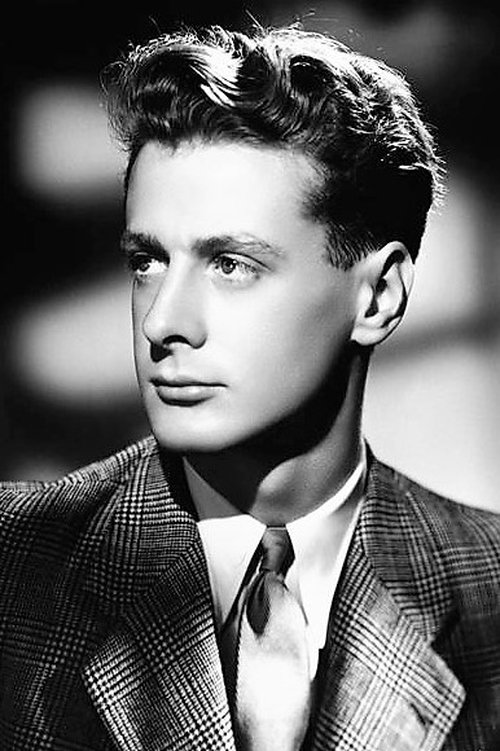
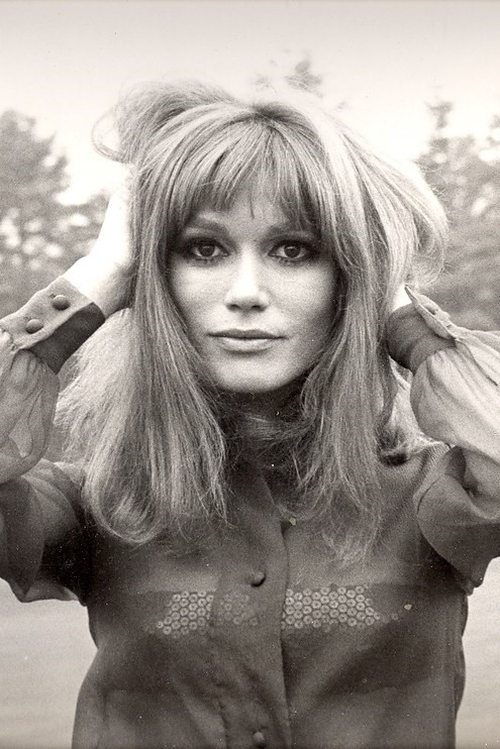
Universal Studios initially wanted to cast a major American actor as the Jackal, with Robert Redford and Jack Nicholson flown to Europe to audition. Although Universal favoured Nicholson, Zinnemann ultimately secured a production agreement stipulating that only European actors would be cast. Afterwards, British actors David McCallum, Ian Richardson and Michael York were considered, before Zinnemann cast Edward Fox. Jacqueline Bisset was offered the role of Denise, but had to decline due to scheduling conflicts.
The Day of the Jackal was filmed in studios and on location in France, Britain, Italy and Austria. Zinnemann was able to film in locations usually denied to filmmakers — such as inside the Ministry of the Interior — due in large part to French producer Julien Derode's skill in dealing with authorities. Nevertheless, the opening sequence was not shot in the Élysée Palace courtyard but at the Hôtel de Soubise, the main office of the French National Archives. The two palaces were both built at the beginning of the 18th century, but the Hôtel de Soubise is more accessible and has less security than the Élysée.
To lend a documentary-like authenticity to the final Liberation Day sequence, the film company obtained permission to use hand-held cameras inside police lines at the annual Fourteenth of July Bastille Day military parade down the Champs-Élysées. Viewers of The Day of the Jackal see extraordinary closeup footage of the massing of troops, tanks, and artillery. Since the Liberation Day sequence was filmed during a real parade, it led to confusion; the crowd (many of whom were unaware that a film was being shot) mistook the actors portraying police officers for real officers, and many tried to help them arrest the "suspects" they were apprehending in the crowd. Zinnemann wrote that Adrien Cayla-Legrand, the actor who played de Gaulle, was mistaken by several Parisians for the real de Gaulle — though the former French president had been dead for nearly two years prior to film production.
During the weekend of 15 August 1972, the Paris police cleared a very busy square of all traffic to film additional scenes.
Reception
Critical response
The film holds a 91% score on Rotten Tomatoes, based on 35 reviews with an average rating of 8.1/10. The critics consensus reads, "The Day of the Jackal is a meticulously constructed thriller with surprising irreverence and taut direction." Metacritic, which uses a weighted average, assigned the film a score of 80 out of 100, based on 8 critics, indicating "generally favorable" reviews
Critics of the period were generally impressed with the film. Among those was Roger Ebert of the Chicago Sun-Times, who gave it his highest rating of four stars:
"Fred Zinnemann’s The Day of the Jackal is one hell of an exciting movie. I wasn’t prepared for how good it really is: it’s not just a suspense classic, but a beautifully executed example of filmmaking. It’s put together like a fine watch. The screenplay meticulously assembles an incredible array of material, and then Zinnemann choreographs it so that the story—complicated as it is—unfolds in almost documentary starkness. The Day of the Jackal is two and a half hours long and seems over in about fifteen minutes."
Ebert concluded: "Zinnemann has mastered every detail ... There are some words you hesitate to use in a review, because they sound so much like advertising copy, but in this case I can truthfully say that the movie is spellbinding." Ebert included the film at No. 7 on his list of the Top 10 films of the year for 1973.
The Time film critic applauded the transition from novel to film:
"The Day of the Jackal makes one appreciate anew the wonderful narrative efficiency of the movies. Frederick Forsyth's bestselling novel — essentially what mystery buffs call a police procedural, but blown up to international proportions — kept losing its basically simple storyline in the forest of words. The writer required paragraphs to detail the procedures of an international manhunt, not to mention the procedures of the Jackal himself, a hired gun employed by disaffected French army officers to assassinate Charles de Gaulle. This is the kind of material that a good director can give us in the wink of a panning camera's eye."
The review continued, that due to the talents of director Fred Zinnemann, "what might have been just another expensive entertainment becomes, on a technical level, a textbook on reels in the near-forgotten subject of concise moviemaking. In short, as so often happens, a second-rate fiction has been transformed into a first-rate screen entertainment."
Box office
The movie grossed $16,056,255 at the box office, earning North American rentals of $8,525,000. Zinnemann was pleasantly surprised by the commercial results, telling an interviewer in 1993: "The idea that excited me was to make a suspense film where everybody knew the end - that de Gaulle was not killed. In spite of knowing the end, would the audience sit still? And it turned out that they did, just as the readers of the book did."
John Woolf later made another film from a Forsyth novel, The Odessa File.
Awards and nominations
The Day of the Jackal and the resultant Academy Award nomination were career milestones for Kenneth Ross, the Scottish-American screenwriter.
Remakes
August 1 (1988) — An Indian Malayalam-language film directed by Sibi Malayil, written by S. N. Swamy, and starring Mammootty, Sukumaran, Captain Raju and Urvashi. This adaptation relocates the story to the Indian state of Kerala.
The Jackal (1997) — An American film directed by Michael Caton-Jones, written by Chuck Pfarrer, and starring Bruce Willis, Richard Gere, Sidney Poitier and Diane Venora. Forsyth, Woolf, Zinnemann and Fox opposed the production and filed an injunction to prevent Universal Pictures from using the name of the original novel and film, and it would be marketed as being "inspired by" rather than directly based on Forsyth's novel. The film does not credit Forsyth's novel as source material, and only credits Kenneth Ross with "earlier screenplay."
The Day of the Jackal (2024) — A British television drama serial adaptation of the Frederick Forsyth novel of the same name. It stars Eddie Redmayne, is produced by Ronan Bennett and directed by Brian Kirk.