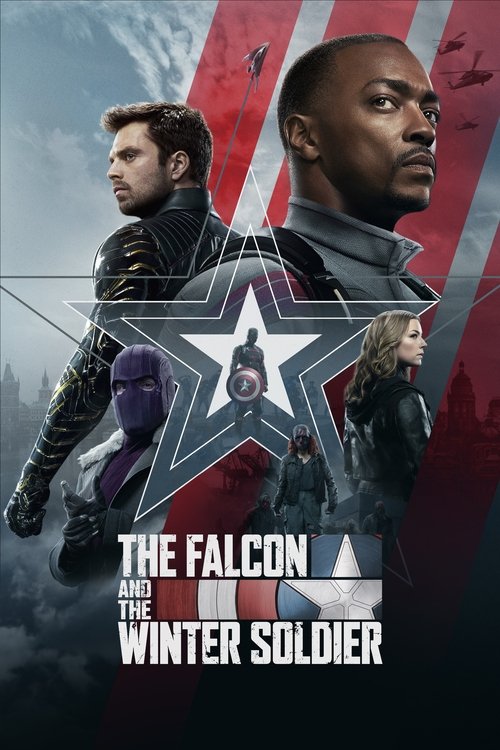



The Falcon and the Winter Soldier is an American television miniseries created by Malcolm Spellman for the streaming service Disney+, based on Marvel Comics featuring the characters Sam Wilson / Falcon and Bucky Barnes / Winter Soldier. It is the second television series in the Marvel Cinematic Universe (MCU) produced by Marvel Studios, sharing continuity with the films of the franchise, and is set six months after Sam Wilson was handed the mantle of Captain America in the film Avengers: Endgame (2019). Wilson teams up with Bucky Barnes to stop anti-patriots who believe the world was better during the Blip. Spellman served as head writer for the series, which was directed by Kari Skogland.
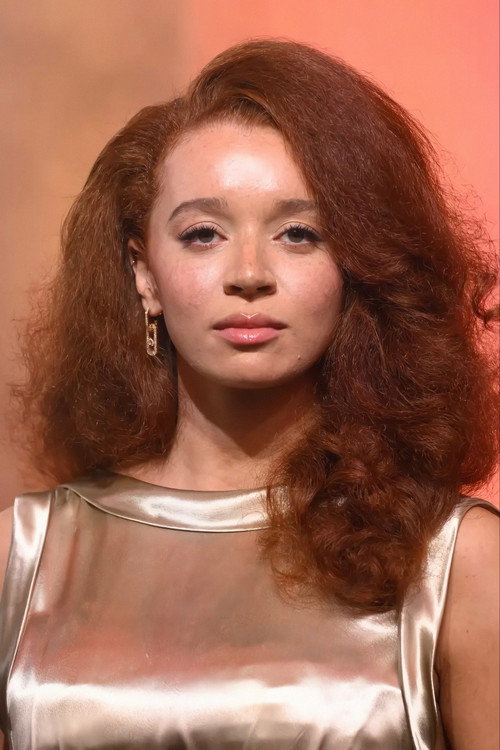
Sebastian Stan and Anthony Mackie reprise their respective roles as Barnes and Wilson from the film series, with Wyatt Russell, Erin Kellyman, Danny Ramirez, Georges St-Pierre, Adepero Oduye, Don Cheadle, Daniel Brühl, Emily VanCamp, Florence Kasumba, and Julia Louis-Dreyfus also starring. By September 2018, Marvel Studios was developing several limited series for Disney+ centered on supporting characters from the MCU films, such as Wilson and Barnes. Spellman was hired in October and chose to focus on the racial and political issues raised by Wilson, a Black man, being handed Captain America's shield at the end of Endgame. The Falcon and the Winter Soldier was announced in April 2019, when Stan and Mackie were confirmed to be starring. Skogland was hired to direct the next month. Filming began in October 2019 in Atlanta, Georgia, before moving to the Czech Republic in March 2020. Production was halted due to the COVID-19 pandemic, but it resumed in Atlanta in September before wrapping in the Czech Republic in October.
The Falcon and the Winter Soldier premiered on March 19, 2021, and ran for six episodes until April 23. It is part of Phase Four of the MCU. The series received positive reviews, with critics highlighting the actors' chemistry and the series' social commentary but criticizing its pacing. It received several accolades, including five Primetime Emmy Award nominations. A feature film, Captain America: Brave New World (2025), continues Wilson's story from the series.
Contents
Premise
Six months after being handed the mantle of Captain America at the end of Avengers: Endgame (2019), Sam Wilson teams up with Bucky Barnes on a global mission to stop an anti-patriotism group, the Flag Smashers, who are enhanced with a recreation of the Super Soldier Serum and believe the world was better during the Blip.
Cast and characters
Sebastian Stan as Bucky Barnes / Winter Soldier:An enhanced soldier and the best friend of Steve Rogers / Captain America during the 1940s. Presumed killed in action during World War II, he reemerged in the present day as a brainwashed assassin. His programming was later removed, and the character is now having an identity crisis. Head writer Malcolm Spellman noted that Barnes has done "nothing but fight" in the last 100 years, and the series could not avoid the trauma that he has gone through. Stan explained that Barnes would be struggling with his murderous past while also adjusting to life in the 21st century without Rogers, following the end of the film Avengers: Endgame (2019). Co-executive producer Zoie Nagelhout explained that Barnes would be working to "unburden himself" from his life as the Winter Soldier but the darker side of the character would still be seen during the series.
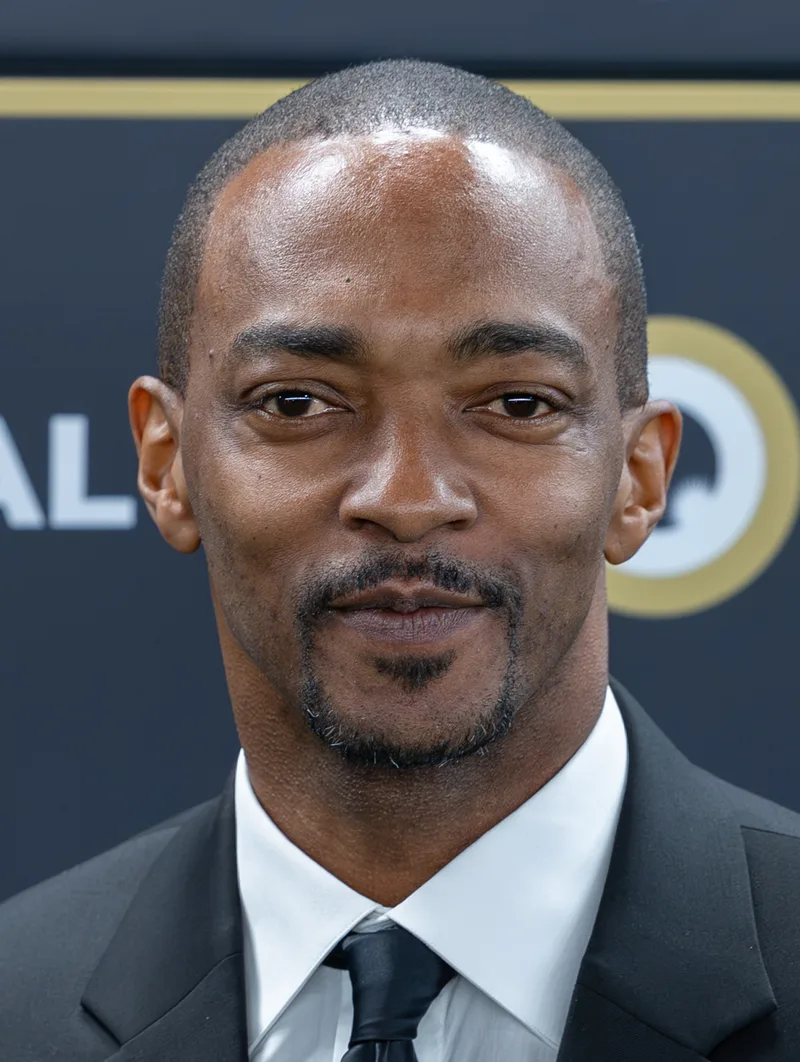
Anthony Mackie as Sam Wilson / Falcon / Captain America:An Avenger and a former pararescueman who was trained by the military in aerial combat using a specially designed wing pack. Wilson was handed Captain America's shield by Rogers at the end of Endgame, and the series expands on this moment to explore the implications of a Black man being given that mantle. Wilson initially continues to use only the Falcon moniker in the series, and Mackie said the story would portray the shield as being a burden for the character. He added that Wilson is questioning how "a Black man [can] represent a country that does not represent him". Wilson eventually takes up the shield to become the new Captain America. Mackie was hesitant about the series, feeling that it would not match the quality of the MCU films and not wanting a Black actor to lead Marvel's first failure, but he was won over by the scripts.
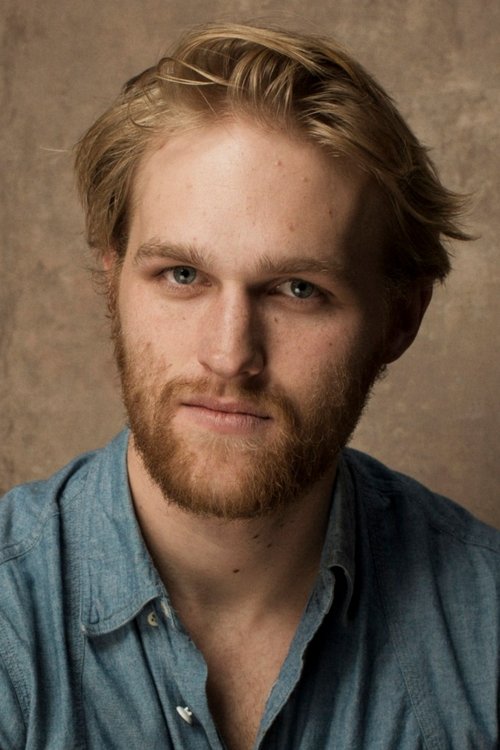
Wyatt Russell as John Walker / Captain America / U.S. Agent:A decorated Captain of the U.S. Army Rangers, and the new Captain America chosen by the U.S. government. He attempts to join Wilson and Barnes in their fight, and believes he is a better embodiment of American values than Rogers was. After being stripped of the Captain America title, Walker is given the moniker U.S. Agent by Valentina Allegra de Fontaine. Spellman described Walker as a soldier who has "done everything his country has ever asked" and is now faced with a reality where his life and sense of duty to the United States "challenge [him] in a way that upsets and obliterates [his] privilege". Russell added that Walker was a "company man" who might venture into "the grey areas" to complete the mission. He had room to shape the character since this is his introduction to the MCU. Spellman said Walker was inspired by the comic book character, who uses the moniker U.S. Agent, but the series had shifted away from the comic book portrayal to add some different dimensions. Executive producer Kevin Feige added that a White man, Russell, was specifically cast as the new Captain America as commentary on how the U.S. government would not want a Black man like Wilson to take on that role.
Production
Development
By September 2018, Marvel Studios was developing several limited series for its parent company Disney's streaming service, Disney+, to be centered on supporting characters from the Marvel Cinematic Universe (MCU) films who had not starred in their own films. The actors who portrayed the characters in the films were expected to reprise their roles for the limited series. The series were expected to be six to eight episodes each and have a "hefty [budget] rivaling those of a major studio production". The series would be produced by Marvel Studios rather than Marvel Television, which produced previous television series in the MCU. Marvel Studios President Kevin Feige was believed to be taking a "hands-on role" in each series' development, focusing on "continuity of story" with the films and "handling" the actors who would be reprising their roles from the films.
Malcolm Spellman was one of several writers asked to pitch a series focusing on Anthony Mackie's Sam Wilson / Falcon and Sebastian Stan's Bucky Barnes / Winter Soldier. Feige believed the MCU films had not explored these two characters enough, and Marvel Studios especially wanted to explore the pair more after seeing the audience reaction to their "fun dynamic" in the MCU films Captain America: The Winter Soldier (2014) and Captain America: Civil War (2016). Mackie and Stan had both previously expressed interest in starring in an MCU spin-off film together, with Stan comparing the idea to buddy comedy films like Midnight Run (1988) and 48 Hrs. (1982). It was Marvel Studios' intention for the series to use the "buddy two-hander" format like those films. Each writer developed their pitch for the series with a Marvel Studios executive; Spellman worked with Nate Moore, and his pitch focused on race and identity. He gave 48 Hrs., The Defiant Ones (1958), Lethal Weapon (1987), and Rush Hour (1998) as examples of buddy films that dealt with issues of race and which he wanted to model the series after. Spellman had a migraine when he pitched his take to Feige, and he felt that the presentation did not go well. Moore advocated for Spellman and his approach, which the writer felt was because Moore agreed that focusing on race was the right direction for the series. Spellman was hired to write the limited series by the end of October 2018. Feige felt Spellman was the right person for the job because he understood what was needed to make the series fun and action-packed, while also being a Black male television writer which gave him the point of view that was needed to tell the type of story about Wilson that Marvel Studios wanted to tell.
The series was announced in April 2019 as The Falcon and the Winter Soldier. This was the first television series to be developed by Marvel Studios, and Spellman said it was "a bit of a learning curve" for the studio who approached it as a six-hour film. Kari Skogland was hired the next month to direct all six episodes, which are around 45–55 minutes each, with budgets reported to be as much as $25 million. Feige, Louis D'Esposito, Victoria Alonso, Moore, Skogland, and Spellman executive produced the series, which is retitled Captain America and the Winter Soldier in the sixth episode's credits.
Writing
In addition to Spellman, writers for the series include Michael Kastelein, Derek Kolstad, Dalan Musson, and Josef Sawyer; Kolstad joined the series in July 2019, and said he would be bringing "a wink and a nod" to the style of world building and character development from his film franchise John Wick. He felt it was interesting to take secondary characters from the films and put them in primary roles for the series, and added that other characters from earlier MCU films are layered into the series and shift the storytelling in new ways. Some early elements of the series were decided before Spellman was hired, including roles for the characters Helmut Zemo, Valentina Allegra de Fontaine, and Sharon Carter. The latter becomes the Power Broker, which was inspired by a Captain America comic from the 1990s where Carter was exiled from S.H.I.E.L.D. and became "super salty".
Composer Henry Jackman described the series as a psychological drama, while Mackie and Stan said it was "part action-packed superhero epic, part awkward buddy-comedy". Stan compared the series' tone to the more realistic and grounded MCU film Captain America: The Winter Soldier. He added that having a longer running time than a film allowed the series to explore the personal lives of the title characters and show what a day in each of their lives is like. Spellman wanted to "go home" with the characters and let the actors show their skills rather than simply focus on action, and he said the spirit and conflict of the title characters were what remained consistent as the project developed from his initial pitch to the final series. He compared them to fire and ice, saying, "Sam reacts spontaneously from the gut, and Bucky is more cold and calculated". Spellman said there was a "12 second moment in Civil War where it feels like every single Marvel fan knew that [Wilson and Barnes were going to] be able to support a movie or a franchise", referring to a scene in which the two characters bicker over the placement of Wilson's seat. The series builds on the chemistry from that scene. The writers also referenced the various press interviews done by Mackie and Stan to help craft the characters' onscreen dynamic. Skogland and Spellman noted that Wilson and Barnes are not necessarily friends in the films, but they have Steve Rogers as a "common denominator". Without Rogers in the series, the pair's underlying relationship is now "laid bare" and forced to develop. Stan said that without Rogers, Barnes and Wilson went into "opposite corners in terms of facing their lives [and] their demons", but they were each asking the same questions.
The series is set six months after the film Avengers: Endgame (2019), which depicts Steve Rogers bequeathing his shield and the mantle of Captain America to Wilson. Feige said this was intended to be a "classic passing of the torch from one hero to another", but when Marvel Studios got the opportunity to make television series for Disney+ they decided to expand this into an entire story about Wilson, who is a Black man, becoming Captain America. Mackie elaborated that there was a specific "brand of person" that was expected of Captain America, and Wilson questions whether he should take up the mantle as a Black man who understands how different people see him. Stan said Barnes feels protective of Rogers's legacy, and wants Wilson to become Captain America since he was Rogers's choice. The doubt that Wilson has about taking on the role becomes a conflict for Barnes in the series as well. Regarding Wilson's progression in the series from being reluctant to wield the shield to ultimately using it, Skogland indicated that he needed "to engage in both a public and private conversation of what it means for a Black man to pick up such an iconic historically White symbol" which would help him define what it means to be a hero in modern society versus when Rogers became Captain America in the 1940s. Skogland also believed this was an important progression for the viewers to have along with Wilson since "the shield means different things to different people" and all aspects of it as a symbol needed to be explored.
Casting
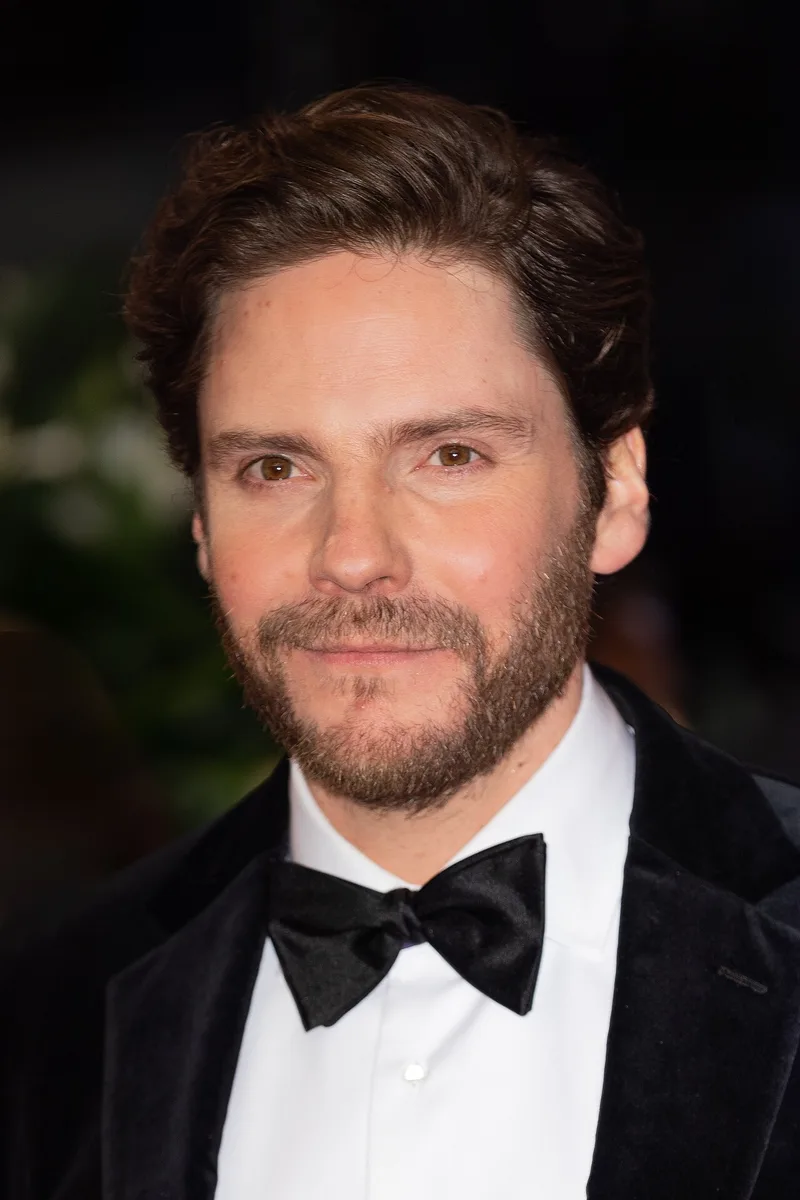
With the official announcement of the series in April 2019 came confirmation that Mackie and Stan would reprise their roles of Wilson and Barnes, respectively, in the series. The next month, Daniel Brühl and Emily VanCamp entered negotiations to reprise their respective film roles of Helmut Zemo and Sharon Carter. Brühl was confirmed for the series in July 2019, and VanCamp was confirmed a month later when Wyatt Russell was announced as cast in the role of John Walker. Russell's past work portraying "the slacker with long hair and a beard" did not lend itself to this role, but Marvel liked how his "unique energy" differentiated Walker from Wilson and Barnes.
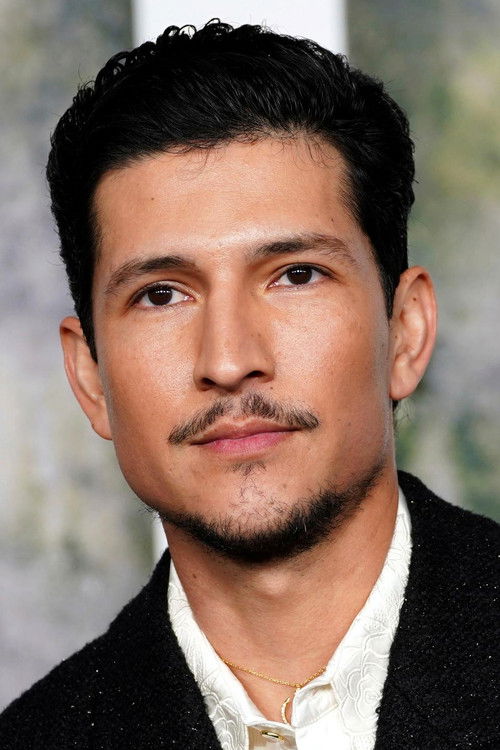
Set photos in November 2019 revealed Adepero Oduye would appear in the series, portraying Sam's sister Sarah Wilson, Additional set photos in September 2020 revealed Georges St-Pierre would be reprising his role as Georges Batroc from Captain America: The Winter Soldier, and that Erin Kellyman had joined the cast, portraying Karli Morgenthau. The following month, Danny Ramirez was cast in the "pivotal role" of Joaquin Torres. Kellyman's involvement was confirmed in December. In February 2021, Don Cheadle revealed that he appears in the series in his MCU role of James "Rhodey" Rhodes. Florence Kasumba also reprises her role as Ayo from past MCU films. Julia Louis-Dreyfus was cast as Valentina Allegra de Fontaine. Louis-Dreyfus had been expected to first appear in Black Widow (2021) before delays pushed the film's release to be after the series.
In December 2019, Desmond Chiam and Miki Ishikawa joined the cast, and Noah Mills was cast a month later. In February 2020, Carl Lumbly joined the cast as Isaiah Bradley. A year later, the series' trailer revealed that Amy Aquino was playing Barnes's therapist. Janeshia Adams-Ginyard and Zola Williams reprise their respective MCU roles of Nomble and Yama, members of the Dora Milaje.
Design
Production designer Ray Chan previously served as supervising art director on many MCU films. Chan and the producers wanted to give the series a "global feel", with a focus on filming on location. The general color palette for the series is dark and muted, with some exceptions: the Blip refugee camps are lighter and washed-out, Madripoor has more saturated colors, and Wilson's home in Louisiana has brighter colors and bolder prints. Costume designer Michael Crow, who also previously worked on several MCU films, extrapolated from Wilson's streetwear looks in the films but added more color and texture to align with the series' brighter Louisiana scenes. For Barnes, Crow was influenced by the classic Americana style and wanted him to have the same "flavor" as Steve Rogers, wearing what someone from the 1940s who is trapped in modern times would wear.
The series' superhero suits were designed by Marvel Studios' design team with input from Crow and the series' costume department. Crow then looked to techniques used to make superhero suits for the films when bringing the new designs to life for the series. Walker's Captain America suit is "more structured, more armored, and darker" than the suits worn by Rogers in the films, with the white sections removed. His U.S. Agent costume from the end of the series is very similar to his Captain America suit, for practicality reasons, but has an updated color scheme based on the comics. In contrast, Wilson's new Captain America suit has a lot of white in it which makes it stand out from the series' general muted look, and provides "a layer of hope and brightness", according to Crow. The suit includes a comic-accurate cowl that Crow knew straight away was going to cause issues for the design team, and would require visual effects to complete. The suit also includes elements that show it was created by Wakandans, including metal wings that Wilson can use as a shield.
Zemo wears a purple mask inspired by the character's balaclava from the comics. The series' version is a structured mask with material over the top. Zemo's coat was intended to feel like an "old Sokovian military uniform", taking inspiration from traditional Slavic clothing and Polish and Russian overcoats from World War II. Fur was added to the coat to keep the costume faithful to the comics. The design team intended for the Flag Smashers' masks to look like they bought cheap masks and painted on their logo themselves. They initially added a fabric layer to the masks for added texture, but felt this was too similar to Zemo's mask. The Flag Smasher's logo was designed by Marvel Studios' design team based on the comics. For the Flag Smashers's clothing, Crow went with minimalist designs so they felt like they were coming from refugee camps.
Filming
Filming began on October 31, 2019, at Pinewood Atlanta Studios in Fayette County, Georgia, under the working title Tag Team. Mackie and Stan announced the official start of filming on November 4. P.J. Dillon was hired as cinematographer at the suggestion of Skogland, who he had worked with on the television series Vikings Marvel Studios had decided early on in development to shoot The Falcon and the Winter Soldier as if it was a film, with one director and cinematographer filming all of the content at once based on available locations. This was in contrast to a more traditional series that would often be broken up into filming blocks by episode and have multiple directors and cinematographers. Dillon said emulating a film with the series' budget and schedule was their biggest challenge, but one that he, Skogland, and the rest of the production embraced. Mackie compared the production to an MCU film, saying it felt like shooting a six-hour film that would then be cut up into individual episodes rather than filming one episode at a time. Feige said the series would have the "cinematic experience" of an MCU film across six episodes, while Skogland felt the series was "relatable" to the films since it featured "action, comedy, [a] high-octane pace, familiar faces, and new characters".
Skogland had plans for her visual approach to the series by the time Dillon was hired, at which point he revisited the MCU films to ensure that he was emersed in their "visual language". To be consistent with the Captain America and Avengers films, they chose to retain the cinematic widescreen format by filming with anamorphic lenses, but they otherwise decided to not limit their visual style to what had been done previously in the franchise. The main camera for the series was Panavision's DXL2 8K camera, with T series Panavision anamorphic prime lenses that Dillon had "de-tuned" to approximate the look of the older Panavision C series from the 1960s and 70s. This meant the lenses were imperfect which, combined with low light and on-set smoke, added texture to the footage. Dillon said Captain America's shield was iconic, and it was important to him that it always be shown clearly and with the correct coloring whenever it was the focus of a shot, so he designed the overall color palette and saturation levels for the series around how the shield looked. Skogland was inspired by the films of David Lean and Midnight Cowboy (1969) for the series, as well as the French film The Intouchables (2011). The Intouchables helped her "feel secure in exploring some of the vulnerabilities" of Wilson and Barnes, which translated to different approaches to filming each character. For example, Skogland's approach to Wilson was having the camera further back to capture his surroundings, while the approach for Barnes was to try "be in his head" by using close-up shots and a shallow focus that excluded the background. She often used photographic references as inspiration for the visual approach to scenes, and wanted the series to have a "slightly raw aesthetic, less perfect than maybe some big budget movie... a little bit edgier and a little bit rougher". Skogland encouraged Mackie and Stan to improvise on set and create a positive environment for the production.
Post-production
Marvel Studios hired editors with television experience to help with the fact that the studio had not made a television series before. Kelley Dixon edited the first and fourth episodes, Todd Desrosiers edited the second and fifth, and Rosanne Tan edited the third and sixth. Desrosiers previously worked with Skogland on the pilot episode of the television series NOS4A2 and Tan was suggested to Skogland by NOS4A2 showrunner Jami O'Brien. Because the series was filmed based on locations rather than episodes, the editors received material out of order and had to work on different episodes at the same time. They also continued to treat the series as a long film and sometimes moved scenes between episodes if that worked better for the overall story. The editors were initially working in Atlanta alongside the rest of the crew, but when the production shut down due to the COVID-19 pandemic they returned to Los Angeles and began working remotely and coordinating over Zoom. Skogland said the crew used their time wisely during the shut down, allowing them to continue with post-production work and make decisions that they usually would not have time to make. When production resumed, there was a reduced schedule for completing editing of the series. Jeffrey Ford was brought on as a supervising editor to work on all six episodes and help the other editors complete their work in time, having previously edited several MCU films including the Captain America and Avengers films. The other editors had already been trying to match Ford's editing style from Captain America: The Winter Soldier. Ford became a mentor for them, helping them get used to the workflow of a Marvel Studios production and its visual effects requirements. Because of the reduced timeframe to complete the series, the recaps that begin each episode were created by Tan's assistant editor, Caroline Wang.
Visual effects were provided by Cantina Creative, Crafty Apes, Digital Frontier FX, Industrial Light & Magic, QPPE, Rodeo FX, Sony Pictures Imageworks, Stereo D, Technicolor VFX, Tippett Studio, Trixter, and Weta Digital.
Music
Henry Jackman, who scored Captain America: The Winter Soldier and Captain America: Civil War, began scoring the series by December 2020. Because he was returning to the franchise after several years, Jackman started by creating an "audio care package" featuring different themes, orchestrations, and harmonies that he had composed for the Captain America films, to remind himself of that work and organize it before approaching music for the series. Jackman explained that the series format allowed him to write a wider range of music than the films since it still required music for big action sequences while having time for more quiet, character-based moments. He described the music for the latter sequences as being more patient, with "lighter and thinner" instrumentation. The many locations visited in the series also allowed Jackman to explore some environment-specific music, such as elements of the Blues genre when exploring Wilson's backstory in Louisiana, or electronic music for Madripoor which Jackman described as "a grungy rave scenario".
Jackman reprises several of his themes from the films in the series: the composer expanded his Falcon motif from Winter Soldier into a full, classical superhero theme that he combined with some of the Blues elements to acknowledge Wilson's history (the new Falcon theme is used as the series' end credits theme, titled "Louisiana Hero"); Jackman's Winter Soldier theme, which consists of a "scream" and "clangs" that he described as "the last fragments of a human soul trapped inside some mechanistic frame", is heard during callbacks to the character's time as an assassin; Zemo's "spidery, kind of fractious" theme from Civil War returns for that character; and Jackman used an off-key version of his Captain America theme to represent John Walker. Once Walker turns on the titular heroes, Jackman transitioned to the operatic theme that he used for Captain America fighting Iron Man in Civil War due to the similarity between the two situations. The composer wrote a nostalgic motif for Barnes's civilian identity in The Winter Soldier that was tied to the character's 1940s history, but he decided not to use that in the series as he felt it did not suit the modern version of the character. Instead, he took an element from the end of his Winter Soldier theme that is played on strings in a "disturbing" octatonic scale and "straightened [it] out" into a diatonic scale to create a new civilian melody for the character. This is played on strings, piano, and guitar. Jackman's theme for the Flag Smashers has a "dystopian vibe".
Jackman's score was recorded by a 53-player orchestra in Berlin, and was released digitally by Marvel Music and Hollywood Records in two volumes: music from the first three episodes was released on April 9, 2021, and music from the last three episodes was released on April 30. "Louisiana Hero" was released as a single on March 26.
Marketing
A short teaser for The Falcon and the Winter Soldier was shown at the 2019 San Diego Comic-Con, featuring Brühl as Zemo. The character wears his traditional purple mask from the comics in the teaser. Skogland traveled to Budapest, where Brühl was filming The Alienist: Angel of Darkness, to capture the footage. Concept art for the series featuring designs for the characters' costumes are included in Expanding the Universe, a Marvel Studios special that debuted on Disney+ on November 12, 2019.
In December 2019, Feige debuted the first images from the series at Comic Con Experience, which Matt Goldberg of Collider described as more grounded than fellow Disney+ series WandaVision, with a "standard spy thriller" look similar to the Captain America films. A commercial for the series, WandaVision, and Loki was shown during Super Bowl LIV. Julia Alexander of The Verge said there was not much footage, but it offered "enough glimpses to tease fans". Haleigh Foutch at Collider felt of all the Super Bowl commercials, Marvel's teasers "stole the whole show" and had "a lot to get excited about". A trailer for the series was released during Disney Investor Day in December 2020. Writers for Polygon said the trailer "certainly delivered" and made the series look like it was similar in scope to an MCU film. They highlighted the series' villains which the trailer showcased, Zemo and the Flag-Smashers. Angie Han of Mashable felt the trailer promised "explosive action, a jet-setting plot, some very creepy villains, and—best of all—a return of the characters' odd-couple, best-frenemies dynamic" from Civil War. CinemaBlend's Laura Hurley said the trailer's action was so epic that it could be the trailer for an MCU film rather than a series. Writing for io9, Charles Pulliam-Moore called the trailer "nothing short of bonkers".
A television spot was shown during Super Bowl LV which announced the release of the second trailer for the series. Ben Pearson of /Film said the trailer was a return to the "quippy, action-heavy, Marvel house style" after the release of the less conventional WandaVision. Pearson wondered how this perspective would have been different if The Falcon and the Winter Soldier was released before WandaVision as was originally planned. Ethan Alter at Yahoo! also compared the trailer to WandaVision, saying the series appeared to "bring the fireworks audiences traditionally expect from MCU adventures". Rolling Stone's Brenna Ehrlich called the trailer "replete with explosions, stomach-flipping stunts, and all manner of intrigue". Speaking to Sharon Carter's appearance in the trailer, Ian Cardona of Comic Book Resources felt that even though it was a few seconds, the character was "finally getting the respect she deserves" following her brief appearances in the MCU films. Across various social media platforms, the trailer and television spot had more than 125 million combined views within 24 hours. The trailer became the most-watched for a streaming series, surpassing the 53 million views of the September 2020 WandaVision trailer. It also had 217,000 social media mentions and the highest Google Search volume among all entertainment offerings. Anthony D'Alessandro at Deadline Hollywood noted it was rare for analytics company EDO's top 10 most searched Super Bowl spots list, which measures searches within five minutes of a spot airing, to include a trailer rather than brand ads, but The Falcon and the Winter Soldier's spot was ranked fifth on the list. According to YouTube, the trailer was the sixth most-watched Super Bowl LV ad on the site.
Release
Streaming
The Falcon and the Winter Soldier debuted on March 19, 2021, on Disney+. Its six episodes were released weekly, concluding on April 23. The series was originally set for release in August 2020, but was pushed back after filming was delayed by the COVID-19 pandemic. This made it the second series released by Marvel Studios, after WandaVision, despite being developed first. It is part of Phase Four of the MCU.
Home media
The Falcon and the Winter Soldier was released on Ultra HD Blu-ray and Blu-ray by Walt Disney Studios Home Entertainment on April 30, 2024, with SteelBook packaging and concept art cards. Bonus features include the featurette "Cap's Shield"; deleted scenes; a gag reel; and the Marvel Studios: Assembled documentary special "The Making of The Falcon and the Winter Soldier".
The Falcon and the Winter Soldier ranked No. 7 for the week ending May 4, 2024, on the overall disc sales chart. It accounted for 52% of its total sales from Blu-ray.
Reception
Viewership
Disney+ announced that the first episode, "New World Order", was the most-watched series premiere ever for the streaming service in its opening weekend (March 19 to 22, 2021), ahead of the premieres of WandaVision and the second season of The Mandalorian. Additionally, The Falcon and the Winter Soldier was the most-watched title overall globally for that time period on Disney+, including in the Disney+ Hotstar markets. Samba TV reported that 1.7 million households watched the episode in its opening weekend. TVision determines viewing impressions by counting its 14,000 viewers on connected televisions who have watched at least two minutes of a title within a session of watching content for at least five minutes, across all major U.S. streaming and advertising video on demand services. The company reported that The Falcon and the Winter Soldier was the most-viewed series of April 2021 across measured platforms, being viewed nearly 40 times more than the average series measured by the service. According to the file-sharing news website TorrentFreak, The Falcon and the Winter Soldier was the fourth-most pirated television series of 2021.
Critical response
The review aggregator website Rotten Tomatoes reported an 84% approval rating with an average rating of 7.25/10, based on 336 reviews. The website's critical consensus reads, "Packed with blockbuster action and deft character beats, Falcon and the Winter Soldier proves itself worthy of Captain America's legacy with its globetrotting intrigue, mature social commentary, and the sparky rapport between stars Anthony Mackie and Sebastian Stan." Metacritic, which uses a weighted average, assigned a score of 74 out of 100 based on 32 critics, indicating "generally favorable" reviews.
The Falcon and the Winter Soldier was praised "for bringing the Black experience to the forefront" through its tackling of issues such as racial discrimination and confronting "the original sins of America building itself on the backs of Black people". David Betancourt, reviewing the season finale for The Washington Post, analyzed the racial themes surrounding the character of Sam Wilson, a Black man, acquiring the mantle of Captain America. Noting that the series was originally planned to debut in 2020, before being delayed by the COVID-19 pandemic, Betancourt believed there was "something eerily timely about a Black Captain America flying in the sky days after the verdict in the murder of George Floyd" and also pointed to Barnes potentially being in a relationship with Leah, an Asian woman, also "at a time when Asian Americans don't feel safe in America because of racist attacks". While these occurrences happening in the series would not "fix anything", Betancourt said "you can't help but feel something when you see it".
Brian Lowry writing for CNN said, "Overall the series deftly accomplished its primary mission, which was to explore the dramatic tension in Wilson becoming Captain America, in a way that went beyond just being told the shield now belonged to him. It also continued to demonstrate Marvel's ability to mount big, muscular action in productions for Disney+, while showcasing the depth of its universe." Calling the series "flawed but fun", Brian Tallerico of Vulture stated that The Falcon and the Winter Soldier "often felt rushed and lacked some depth in its analysis of race and power in this country" but served its purpose as an origin story for Wilson's Captain America while setting up future MCU projects. In terms of how it would be remembered, he felt that it would be "hard to gauge its full impact" until its plot threads were picked up in future MCU projects, as was the case with most MCU entries.
The pacing of the series received some criticism. In his review of the first episode, Alec Bojalad of Den of Geek believed releasing the series' episodes weekly was a detriment overall, since the first episode played as the first act of a larger story and felt "frustratingly incomplete at times" compared to how watching the full series at once would likely feel. This was in contrast to Marvel Studios' first series, WandaVision, which had been "unquestionably an episodic experience" with each episode standing on its own and having episode television-style cliffhanger endings. By the third episode, Alan Sepinwall of Rolling Stone felt the series was "leaning way into the 'six-hour movie' model at this point, where the only concern is advancing the plot by any means necessary, regardless of how interesting it is on its own". He believed compared to WandaVision, which was "very clearly built to be consumed weekly", The Falcon and the Winter Soldier would have been better to view all at once than as weekly episodes. Sepinwall ultimately concluded The Falcon and the Winter Soldier "was trying to do way more than it could comfortably handle", having too many characters and plot threads that writers could not successfully execute fully, with individual episodes that felt "sluggish" despite a lot happening in them, because "those various incidents don't do much beyond inching the plot forward".
Accolades
Ahead of the final episode's release, Marvel Studios decided to submit The Falcon and the Winter Soldier in the drama series categories for the Primetime Emmy Awards rather than in the limited series categories. Moore said this decision was made around the series' premiere, with Marvel Studios feeling that the drama categories were appropriate for the series' more "dramatic" content. He added that there had not yet been any consideration for if Stan and Mackie would both be submitted for Outstanding Lead Actors or if one would be submitted for Outstanding Supporting Actor; Mackie and Stan were ultimately both submitted for Outstanding Lead Actor.
Documentary special
In February 2021, the documentary series Marvel Studios: Assembled was announced. The special on this series, "The Making of The Falcon and the Winter Soldier", goes behind the scenes of the series, with Spellman, Skogland, Stan, Mackie, Russell, Kellyman, Cheadle, Brühl, VanCamp, Kasumba, Louis-Dreyfus, and others discussing the importance of racial issues within the narrative, the action scenes, and the impact of the COVID-19 pandemic on the production of the series. The special was released on Disney+ on April 30, 2021, and was included as part of the series' home media release on April 30, 2024.
Future
Before the series premiere, Mackie said there had been no discussions regarding a second season of the series. He was also not sure when he would next appear in an MCU film, especially due to the COVID-19 pandemic's impact on cinemas. Skogland said she was unsure if there would be a second season and felt that she had been able to do everything that she wanted in the first six episodes, but she did say that there were more stories and characters to explore if a second season was made. Feige said there were ideas for what "another one" could be if a second season was made, but Marvel intended for the series to lead into future MCU films first like they did with WandaVision. He added that he did not want to spoil the series by confirming a second season or discussing the plans that Marvel had for the series' characters before the series was fully released. In April 2021, Moore said the end of the series would show story elements for a potential second season, adding that the series explored "evergreen" topics that lent themselves to further exploration, unlike the contained story of WandaVision.
On April 23, 2021, the same day the series' final episode was released, Spellman and series writer Dalan Musson were revealed to be writing the script for a fourth Captain America film that was expected to revolve around Wilson and continue from the events of the series. Nick Romano of Entertainment Weekly believed a second season with the title Captain America and the Winter Soldier had been "inevitable" given the way the series ended. However, knowing the report about the fourth Captain America film added to the intrigue of what direction Marvel Studios would go in, considering past comments from Feige and others implying the series would get a proper second season. Mackie was unaware of any plans for a film or second season, but was "excited to see what happens"; he had signed a deal to star in the film that August. Julius Onah was chosen to direct the film in July 2022, and the film was officially announced later that month at San Diego Comic-Con as Captain America: New World Order. Ramirez and Lumbly reprise their roles in the film, and are joined by Tim Blake Nelson as Samuel Sterns / Leader and Liv Tyler as Betty Ross, both from The Incredible Hulk (2008), and Shira Haas as Sabra. Harrison Ford appears as Thaddeus Ross, replacing original actor William Hurt following his death. In June 2023, the film was retitled Captain America: Brave New World. It was released on February 14, 2025.
