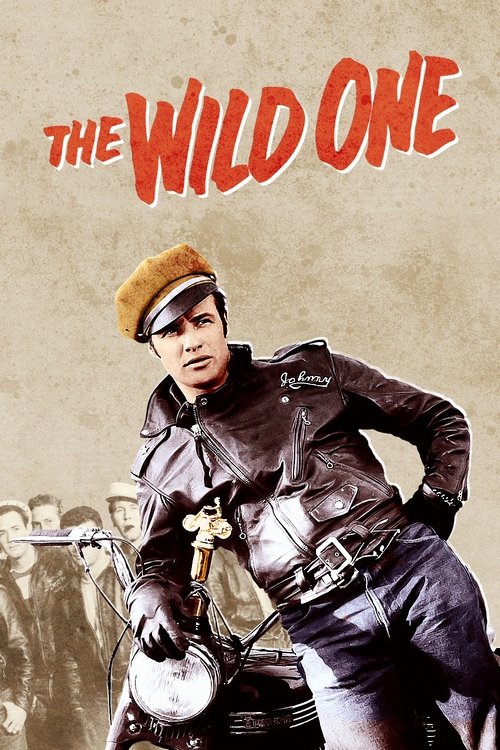

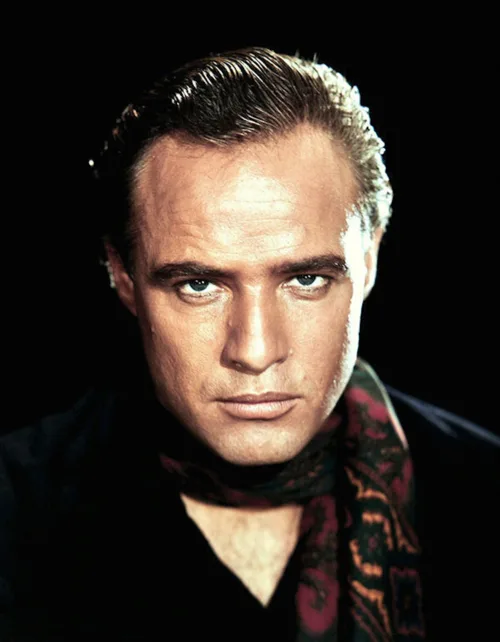
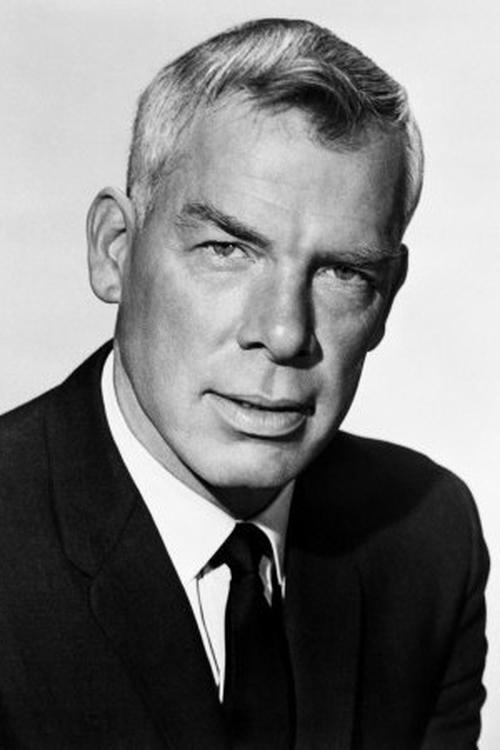
The Wild One is a 1953 American crime film directed by László Benedek and produced by Stanley Kramer. The picture is most noted for the character of Johnny Strabler, portrayed by Marlon Brando, whose persona became a cultural icon of the 1950s. The Wild One is considered to be the original outlaw biker film, and the first to examine American outlaw motorcycle gang violence. The supporting cast features Lee Marvin as Chino, truculent leader of the motorcycle gang "The Beetles".
The film's screenplay was based on Frank Rooney's short story "Cyclists' Raid", published in the January 1951 Harper's Magazine and anthologized in The Best American Short Stories 1952. Rooney's story was inspired by sensationalistic media coverage of an American Motorcyclist Association motorcycle rally that got out of hand on the Fourth of July weekend in 1947 in Hollister, California. The overcrowding, drinking and street stunting were given national attention in the July 21, 1947, issue of Life, with a possibly staged photograph of a wild drunken man on a motorcycle. The events, conflated with the newspaper and magazine reports, Rooney's short story, and the film The Wild One are part of the legend of the Hollister riot.
Contents
Plot
The Black Rebels Motorcycle Club (BRMC), led by Johnny Strabler, rides into Carbonville, California, during a motorcycle race and causes trouble. A member of the motorcycle club, Pidgeon, steals the second-place trophy (the first place one being too large to hide) and presents it to Johnny. After an altercation with a steward, a Highway Patrol policeman orders them to leave.
The bikers head to Wrightsville, which has only one elderly, conciliatory lawman, Chief Harry Bleeker, to maintain order. The residents are uneasy, but mostly willing to put up with their visitors. When their antics cause Art Kleiner to swerve and crash his car, he demands that something be done, but Harry is reluctant to act, a weakness that is not lost on the interlopers. This accident results in the gang having to stay longer in town, as one member called Crazy injured himself falling off his motorcycle. Although the young men become more and more boisterous, their club is enthusiastically welcomed by Harry's brother Frank who runs the local cafe-bar, employing Harry's daughter, Kathie, and the elderly Jimmy.
Johnny meets Kathie and asks her out to a dance being held that night. Kathie politely turns him down, but Johnny's dark, brooding personality visibly intrigues her. When Mildred, another local girl, asks him, "Hey Johnny, what are you rebelling against?", he answers "Whaddaya got?" Johnny is attracted to Kathie and decides to stay a while. However, when he learns that she is the policeman's daughter, he changes his mind. A rival biker club arrives. Their leader Chino bears a grudge against Johnny. Chino reveals the two groups used to be one large club before Johnny split it up. When Chino takes Johnny's trophy, the two start fighting and Johnny wins.
Meanwhile, local Charlie Thomas stubbornly tries to drive through; he hits a parked motorcycle and injures Meatball, one of Chino's bikers. Chino pulls Charlie out and leads both gangs to overturn his car. Harry starts arresting Chino and Charlie, but when other townspeople remind Harry that Charlie would cause problems for him in the future, he only takes Chino to the station. Later that night some members of the rival biker club harass Dorothy, the telephone switchboard operator into leaving, thereby disrupting the townspeople's communication, while the BRMC abducts Charlie and puts him in the same jail cell as Chino, who is too drunk to leave with the club.
Cast
Marlon Brando as Johnny Strabler
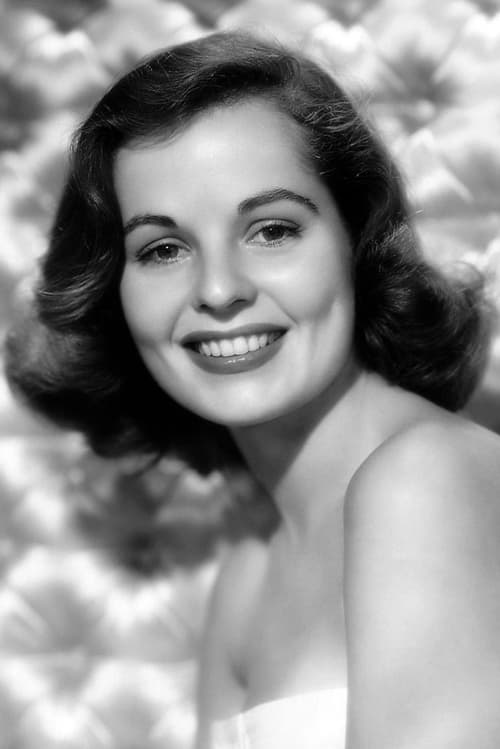
Mary Murphy as Kathie Bleeker
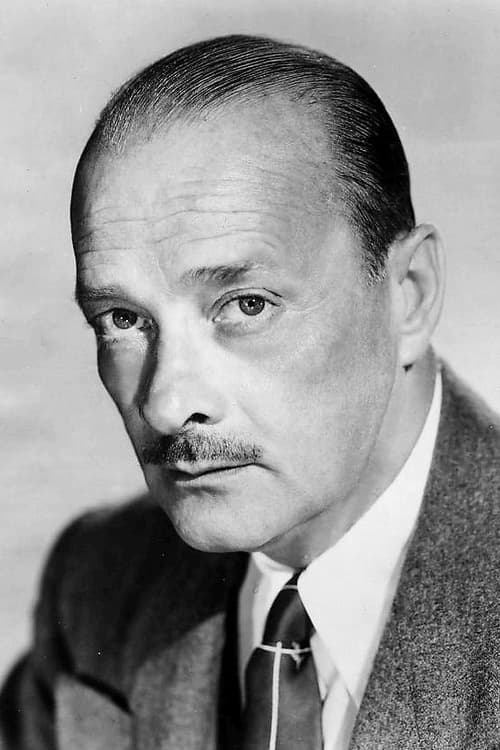
Robert Keith as Harry Bleeker
Lee Marvin as Chino
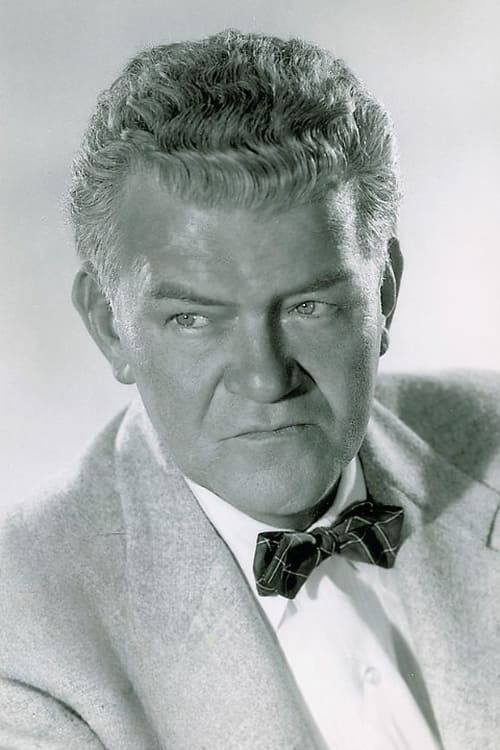
Jay C. Flippen as Sheriff Singer
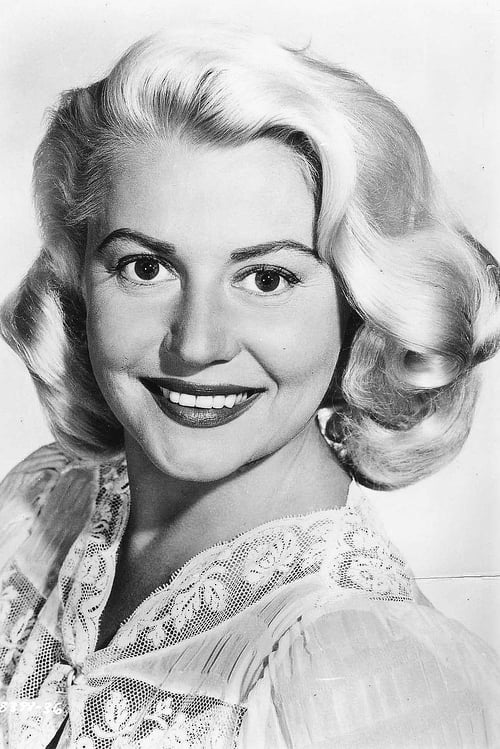
Peggy Maley as Mildred
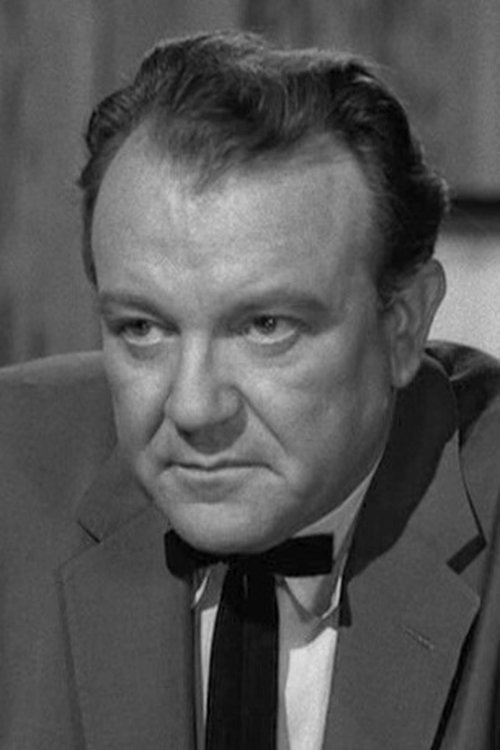
Hugh Sanders as Charlie Thomas
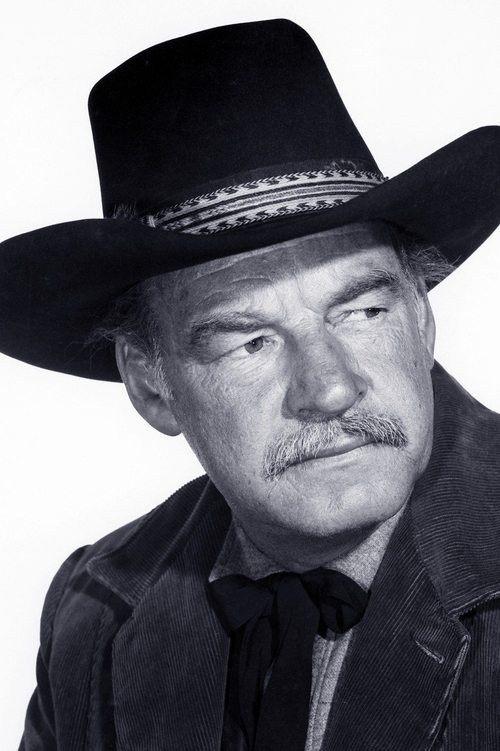
Ray Teal as Frank Bleeker
John Brown as Bill Hannegan
Will Wright as Art Kleiner
Robert Osterloh as Ben
William Vedder as Jimmy
Yvonne Doughty as Britches
Uncredited
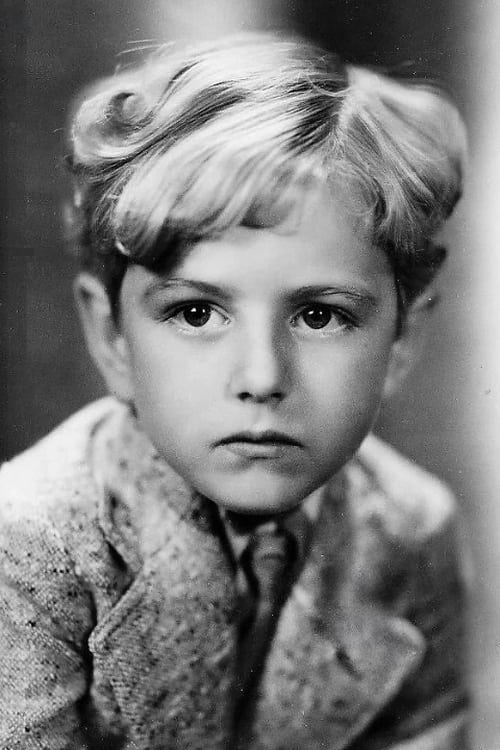
Wally Albright as Cyclist
Timothy Carey as Chino Boy
John Doucette as Official
Robert Bice as Wilson
Harry Landers as GoGo
Eve March as Dorothy
Alvy Moore as Pidgeon
Pat O'Malley as Sawyer
Jerry Paris as Dextro
Angela Stevens as Betty
Gil Stratton as Mouse
Production
The main differences between the screenplay and Frank Rooney's source story, "Cyclists' Raid", were that there were no rival gangs nor any romance between Kathie and any of the motorcyclists, and indeed she is the victim of the fatal motorcycle accident. Unlike in the film, it is her father (who is not a policeman) who exacts violent revenge upon an innocent young motorcyclist.
Brando later revealed in his autobiography, Songs My Mother Taught Me (1994 Random House), that "(m)ore than most parts I've played in the movies or onstage, I related to Johnny, and because of this, I believe I played him as more sensitive and sympathetic than the script envisioned. There's a line where he snarls, 'Nobody tells me what to do'. That's exactly how I've felt all my life." Brando also stipulated in his contract that he would ride his own Triumph motorcycle in the film.
The technical advisor on the film was identified in the April 1953 issue of Motorcyclist as Carey Loftin, which also noted that 150 motorcyclists were hired as extras.
Filming mainly took place at the Columbia Pictures Ranch, "Western Street 'A'", which was re-dressed to depict a 1950s Midwest American town with the dirt paths covered in asphalt.
The sharpness of the film photography was achieved with a Garutso lens, according to Halliwell's Filmgoers Companion.
Release
Theatrical
The Wild One premiered at the Orpheum Theatre in Los Angeles on December 25, 1953.
Home media
The Wild One was released on VHS and Betamax formats and later on DVD. In the United States, a DVD was released in November 1998 by Sony Pictures. In 2013, Sony Pictures released it on Blu-ray in Germany with special features, including an introduction by Karen Kramer (Stanley Kramer's wife) and three featurettes titled "Hollister, California: Bikers, Booze and the Big Picture", "Brando: An Icon is Born" and "Stanley Kramer: A Man's Search for Truth". A U.S. and Canadian Blu-ray was released in 2015 by Mill Creek Entertainment with no extra features. The film was released in the United Kingdom on May 22, 2017 by Powerhouse Films with a few of the previous extras ported over. The features include an audio commentary with film historian Jeanine Basinger, a 25-minute featurette titled "The Wild One and the BBFC", "The Wild One on Super 8", an image gallery, and theatrical trailer.
Reception
Critical reception
The Wild One was generally well received by film critics. Rotten Tomatoes reports that 76% critics have given the film a positive response based on 25 reviews, with a rating average of 7/10. Dave Kehr of the Chicago Reader wrote, "Legions of Brando impersonators have turned his performance in this seminal 1954 motorcycle movie into self-parody, but it's still a sleazy good time." Variety noted that the film "is long on suspense, brutality and sadism ... All performances are highly competent."
Leslie Halliwell stated in his Halliwell's Filmgoers Companion that the film was a "(b)rooding, compulsive, well-made little melodrama" whose narrative however does "lack dramatic point."
Controversies
In the United Kingdom, the film was refused a certificate for public exhibition by the British Board of Film Censors (BBFC), effectively banning the film for 14 years. There were some screenings in film societies where local councils overturned the BBFC's decision. In his book Censored (Chatto & Windus 1994), Tom Dewe Matthews reports that then-chairman of the BBFC, Arthur Watkins, rejected one of the many requests by Columbia Pictures for certification of the film, stating:
Our objection is to the unrestricted hooliganism. Without the hooliganism there can be no film and with it there can be no certificate.
Other members of the board such as his successor as chairman, John Trevelyan, backed him, stating, reports Matthews, that:
Having regard to the widespread concern about the increase in juvenile crime, the Board is not prepared to pass any film dealing with this subject unless the compensating moral values are so firmly presented as to justify its exhibition to audiences likely to contain (even with an "X" certificate) a large number of young and immature persons.
Columbia Pictures, Matthews wrote, even offered a new version of the film with a preface and a new ending but that too was rejected upon viewing by the BBFC.
Matthews states that Trevelyan maintained his predecessor's stance, albeit in more conciliatory terms, when he assumed the chairmanship of BBFC, telling Columbia in a letter to them dated 3 April 1959:
There has been a lot of publicity about adolescent gangs in London and elsewhere recently and, while in some ways the present gangs are more vicious than those depicted in the film, the behaviour of Brando and the two gangs to authority and adults generally is of the kind that provides a dangerous example to those wretched young people who take every opportunity of throwing their weight about [...] Once again we have made this decision [to refuse certification] with reluctance because we think it is a splendid picture. I do hope that the time will come, and come soon, when we do not have to worry about this kind of thing, but I am afraid that we do have to worry about it now.
In popular culture
The persona of Johnny as portrayed by Brando became an influential image in the 1950s. His character wears long sideburns, a Perfecto-style motorcycle jacket and a tilted cap; he rides a 1950 Triumph Thunderbird 6T. His haircut helped to inspire a craze for sideburns, followed by James Dean and Elvis Presley, among others.
Presley also used Johnny's image as a model for his role in Jailhouse Rock.
James Dean bought a Triumph TR5 Trophy motorcycle to mimic Brando's own Triumph Thunderbird 6T motorcycle that he rode in the film.
In his 1994 autobiography, Songs My Mother Taught Me, Brando, writing of the film's effect, revealed that he himself was "as surprised as anyone when T-shirts, jeans and leather jackets suddenly became symbols of rebellion".
A 1966 silkscreen ink on canvas painting titled Four Marlons by Andy Warhol depicted four identical portraits of the actor as Johnny leaning across his Triumph Thunderbird motorcycle. The same portrait was exhibited as a single piece titled Marlon Brando in 1967.
Mad magazine parodied The Wild One in their September 1954 issue as The Wild 1/2 starring "Marlon Branflakes".
One story maintains that the Beatles took their name from the rival motorcycle club, referred to as The Beetles, as referenced in The Beatles Anthology, but the film was banned in Britain until 1967.
The punk band the Ramones was inspired to adopt leather jackets by the film. Coincidentally, the guitarist's first name was Johnny, like Brando's character.
The Series II episode "Kryten" from the British sitcom Red Dwarf ends with an extended homage to the film in which the android character Kryten imitates Brando's character. Earlier in the episode, the character of Lister shows the film to Kryten in an attempt to encourage the android to break its programming.


