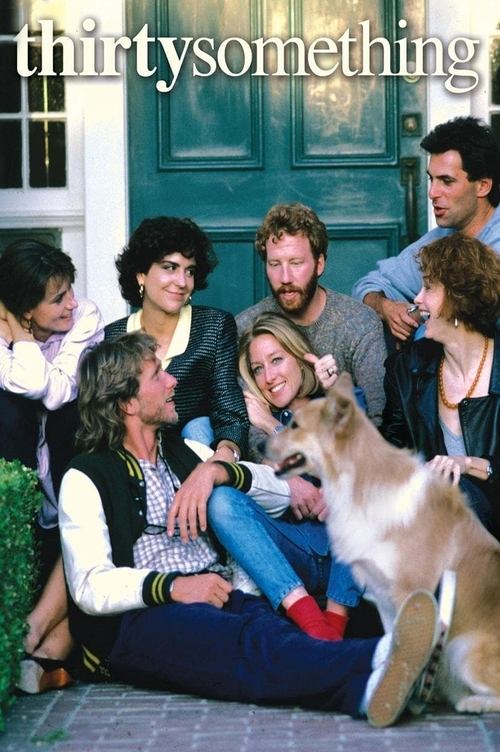

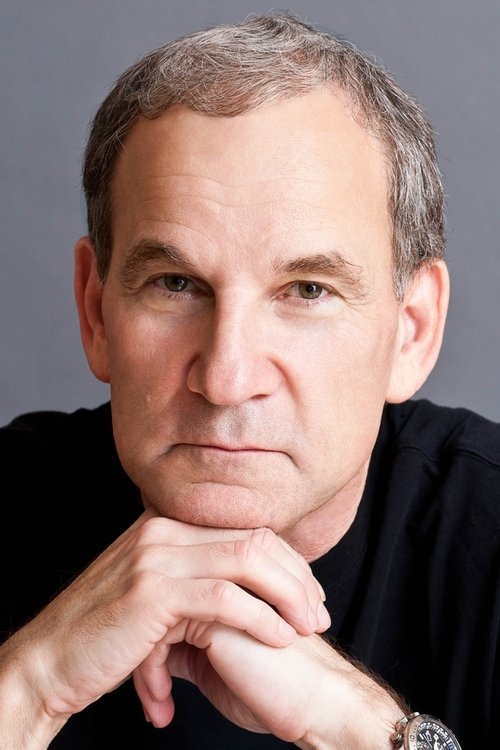
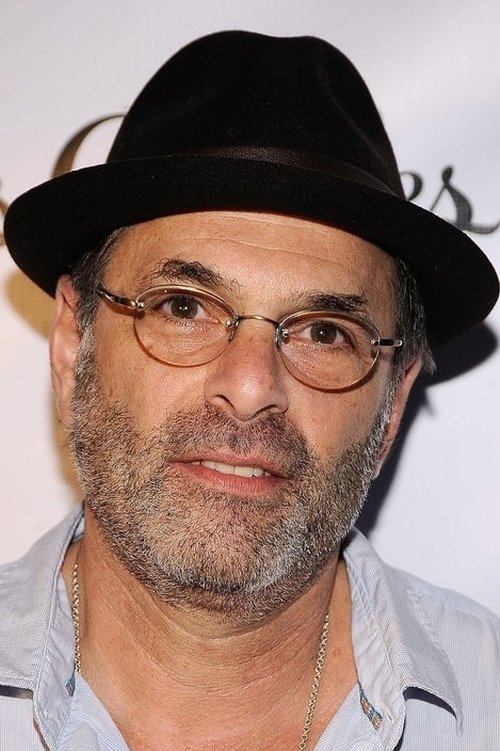
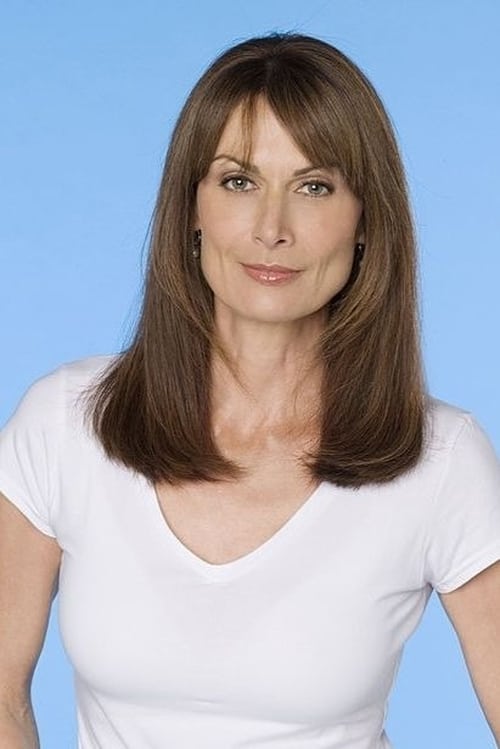


Thirtysomething is an American drama television series created by Edward Zwick and Marshall Herskovitz for United Artists Television (under MGM/UA Television) and aired on ABC from September 29, 1987, to May 28, 1991.
The series focuses on a group of baby boomers in their thirties who live in Philadelphia, and how they handle the lifestyle that dominated American culture during the 1980s given their involvement in the early 1970s counterculture as young adults. It premiered in the United States on September 29, 1987, and lasted four seasons. It was canceled in May 1991 by mutual agreement between the producers and the network. Zwick and Herskovitz moved on to other projects. The series won 13 Primetime Emmy Awards, out of 41 nominations, and two Golden Globe Awards.
On January 8, 2020, ABC confirmed that a television pilot, which would serve as a sequel to the series, had been ordered. The pilot was never filmed, but was set to be directed by Zwick, written by Zwick and Herskovitz, and have four members of the original cast (Ken Olin, Mel Harris, Timothy Busfield and Patricia Wettig) reprising their roles. In June 2020, ABC passed on the series.
Contents
Plot
An ensemble drama, the series revolves around a married couple, Michael Steadman and Hope Murdoch, and their baby, Janie. Michael's cousin is photographer Melissa Steadman, who used to date his college friend Gary Shepherd. Gary eventually marries Susannah. Michael's business partner is Elliot Weston, who has a troubled marriage with his wife Nancy, a painter. Hope's childhood friend is local politician Ellyn Warren.
Characters
Michael Steadman (Ken Olin) and Hope Murdoch Steadman (Mel Harris): Hope is from Philadelphia, and Michael is from Chicago but remained in the Philadelphia area after graduating from the University of Pennsylvania. Hope is a graduate of Princeton and a consumer affairs writer. After having their daughter Janie, Hope becomes a stay-at-home mother and initially gives up her writing. Later, she returns to work but struggles with her role as a mother in the process. During a difficult period in her marriage when she is pregnant with her second child, Leo, Hope contemplates having an affair with environmentalist John Dunaway (JD Souther). Michael's confrontation with her over this leads them to resolve their problems and rekindle their marriage. Michael is Jewish, and Hope is Christian, and complications from their interfaith marriage recur throughout the series. Michael's original ambition was to be a writer, but he works in advertising with graphic designer Elliot. The men first meet at the Bernstein Fox ad agency and then leave to form The Michael and Elliot Company. When their company goes bankrupt, Michael and Elliot join the advertising corporation DAA, run by Miles Drentell. Michael's relationship with Miles erodes his marriage with Hope, who finally decides to accept a job in Washington, D.C. By the time the show was canceled, Michael had decided to quit work altogether so that Hope could pursue her own interests.
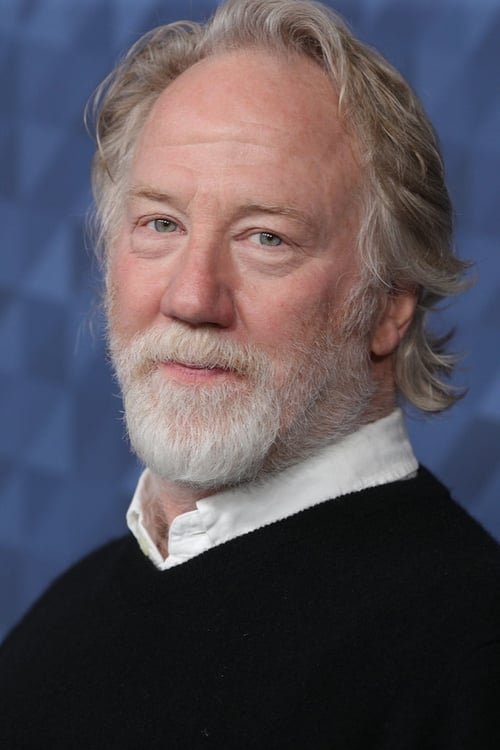
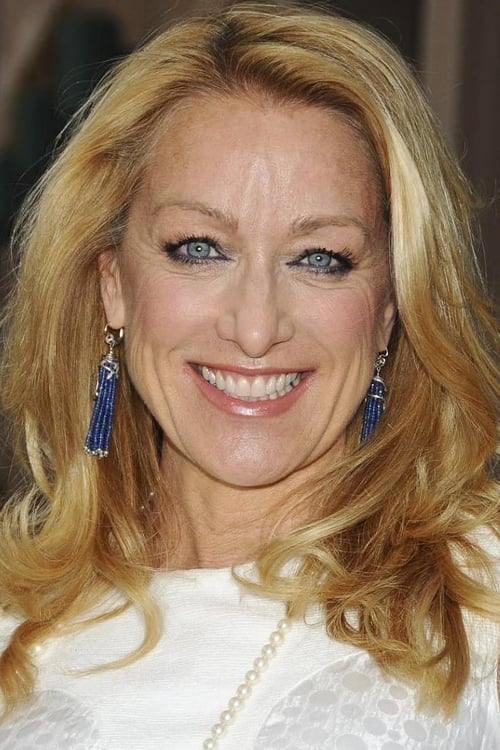
Elliot Weston (Timothy Busfield) and Nancy Krieger Weston (Patricia Wettig): Elliot studied graphic design at Rhode Island School of Design (RISD). His father Charlie (Eddie Albert) is divorced from Elliot's mother and now lives in California. Elliot's sister Ruthie (played by Meagen Fay), who lives in Philadelphia and is married with two children, has not forgiven their father for leaving them. Elliot works in the advertising business with Michael (initially in their own business, but later for DAA). Nancy was also an art major and is a stay-at-home mother to Ethan and Brittany. Like Hope, she initially feels bored and unhappy in her role as a homemaker. After Elliot has an affair which leads to divorce proceedings, Nancy develops a career as a children's book illustrator and author, and begins teaching at a local art center. Elliot becomes jealous after she also begins to date and finds himself once again attracted to her. Eventually, they rekindle their relationship and stop divorce proceedings. During the final two seasons, Nancy struggles with, but ultimately overcomes, ovarian cancer, which deepens their relationship. Always a rebel, Elliot can never reconcile himself to Miles' preference for Michael and his own loss of creative work at DAA, and eventually quits DAA in a fit of rage against both Miles and Michael. He and Nancy move to California, where he finds his passion in directing and eventually makes up with Michael when they accidentally bump into each other during Michael's job interview at TBWA\Chiat\Day. Michael does not accept the job but briefly entertains the possibility of working again with Elliot to make commercials (and turns again to Miles for help in this endeavor). At the time the show was canceled, it is implied that this venture will not happen after Michael tells Hope that he will stop working so that she can pursue her own interests.
History
Home media
Shout! Factory (under license from MGM) has released all four seasons of Thirtysomething on DVD in Region 1.
Mill Creek Entertainment has rereleased the first season on DVD in two volumes. On January 18, 2011, it released Season One, Volume One, which contains the first 10 episodes of the season. Season One, Volume Two, which contains the remaining 11 episodes, was released on January 10, 2012.
In Region 2, Revelation Films released the first two seasons on DVD in the UK. Season 3 was briefly released in 2014, but was almost immediately withdrawn from sale for unspecified "contractual reasons" and has, to date, not been rereleased, nor has Season 4.
In Region 4, Shock Entertainment has released all 4 seasons on DVD in Australia.
Influences and cultural impact
Thirtysomething was influenced by the films Return of the Secaucus 7 (1980) and The Big Chill (1983). The show reflected the angst felt by baby boomers and yuppies in the United States during the 1980s, such as the changing expectations related to masculinity and femininity introduced during the era of second-wave feminism. It also introduced "a new kind of hour-long drama, a series that focused on the domestic and professional lives of a group of young urban professionals, a socio-economic category of increasing interest to the television industry [...] its stylistic and story-line innovations led critics to respect it for being 'as close to the level of an art form as weekly television ever gets,' as the New York Times put it." During its four-year run, Thirtysomething "attracted a cult audience of viewers who strongly identified with one or more of its eight central characters, a circle of friends living in Philadelphia." Even after its cancellation in 1991, it continued to influence television programming, "in everything from the look and sound of certain TV advertisements, to other series with feminine sensibilities and preoccupations with the transition from childhood to maturity (Sisters), to situation comedies about groups of friends who talk all the time (Seinfeld)."
The show also influenced the British television series Cold Feet, which featured similar storylines and character types. The creator of Cold Feet wanted his show to be in the mould of successful American TV series like Thirtysomething and Frasier.
Susan Faludi, in her bestseller Backlash (1991), argues that Thirtysomething often reinforced, rather than dismantled, gender stereotypes. She suggests that it exhibited a disdainful attitude toward single, working, and feminist women (Melissa, Ellyn, and Susannah) while at the same time "exalting homemakers" (Hope and Nancy). In this manner, the series was seen as "seemingly progressive but substantially conservative in its construction of reality."
Oxford English Dictionary
Almost immediately after the introduction of the show, the term "Thirtysomething" became a catchphrase used to designate baby boomers in their thirties. This cultural shift was reinforced by the Oxford English Dictionary, which added "Thirtysomething" in 1993 (under the word "thirty") and defined the term as follows:
Draft additions 1993 - n. [popularized as a catch-phrase by the U.S. television programme thirtysomething, first broadcast in 1987] colloq. (orig. U.S.) an undetermined age between thirty and forty; spec. applied to members of the ‘baby boom’ generation entering their thirties in the mid-1980s; also attrib. or as adj. phr. (hence, characteristic of the tastes and lifestyle of this group).
Honors and awards
While it aired, Thirtysomething was nominated for 41 Primetime Emmy Awards, winning 13. It also won two Golden Globe awards. Later, by 1997, "The Go Between" and "Samurai Ad Man" were listed as number 22 on TV Guide's 100 Greatest Episodes of All Time. Thirtysomething then placed the number 19 spot on TV Guide′s 50 Greatest TV Shows of All Time in 2002, and in 2013, TV Guide placed it as No. 10 in its list of The 60 Greatest Dramas of All Time.
Canceled sequel
A sequel to the series, thirtysomething(else), was pitched in September 2019. The pilot was a co-production between MGM Television and Bedford Falls Productions, which was behind the original series, and ABC Studios, and producers were casting its four original main roles at the time of the announcement.
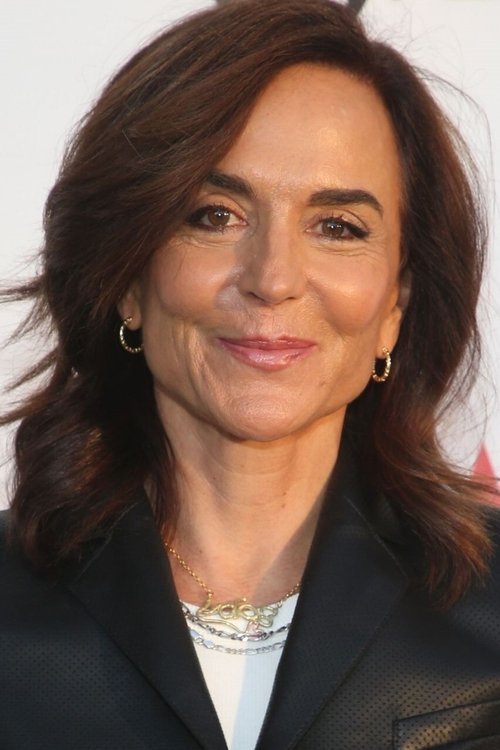
In February 2020, Chris Wood was cast as Leo Steadman, the show's male lead. Over the next few weeks, Odette Annable was cast as Janey Steadman and Patrick Fugit and Auden Thornton as Ethan and Brittany Weston. Melanie Mayron and Polly Draper agreed to appear as Melissa Steadman and Ellyn Warren. On June 29, ABC decided not to move forward with the sequel.