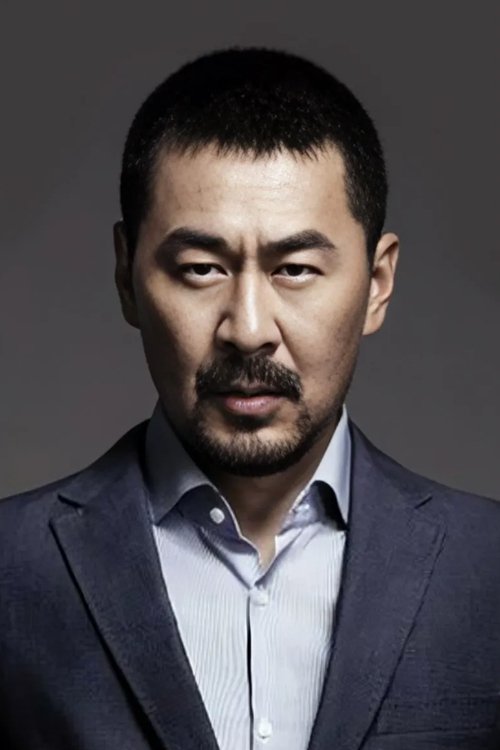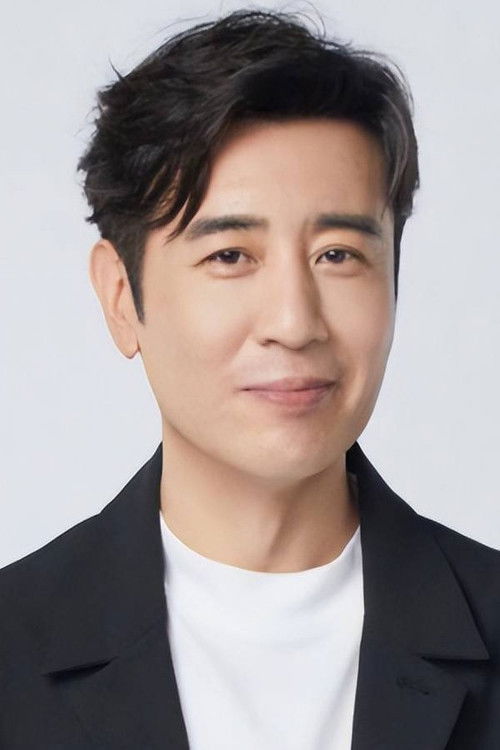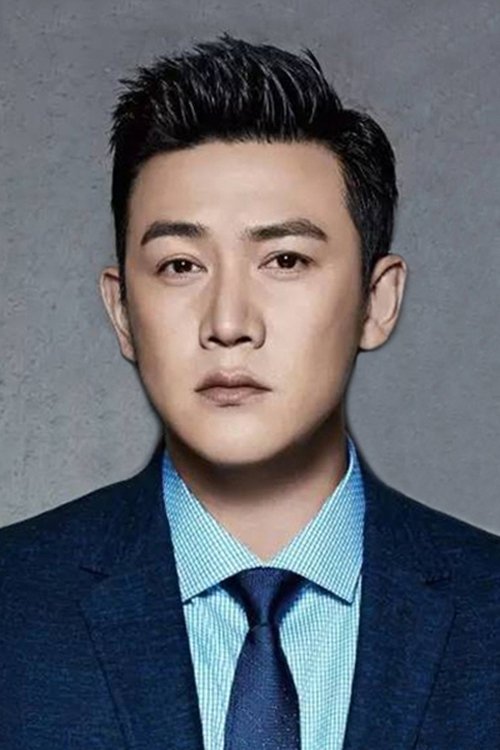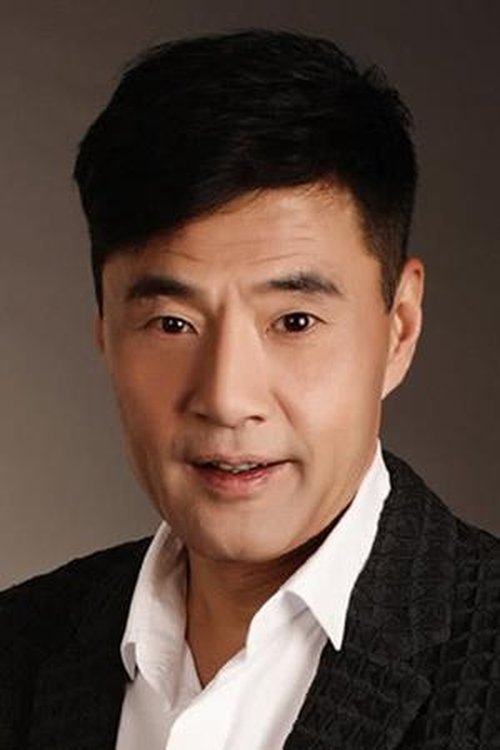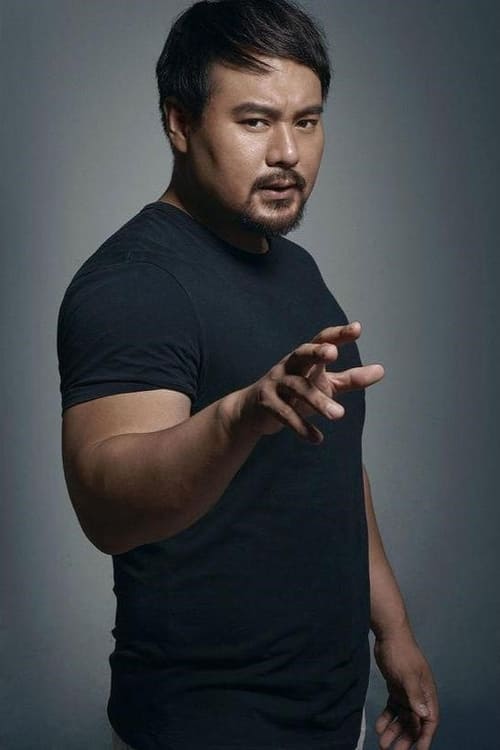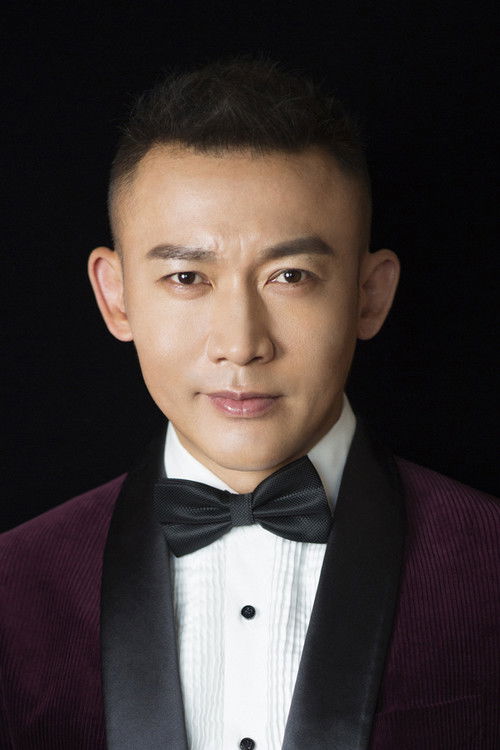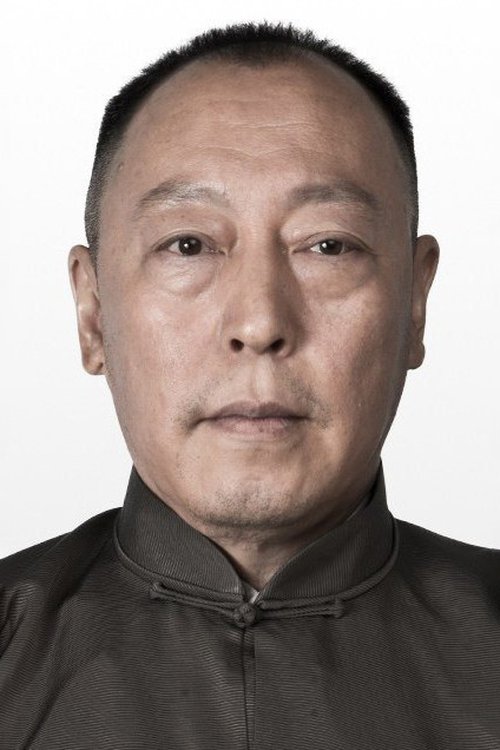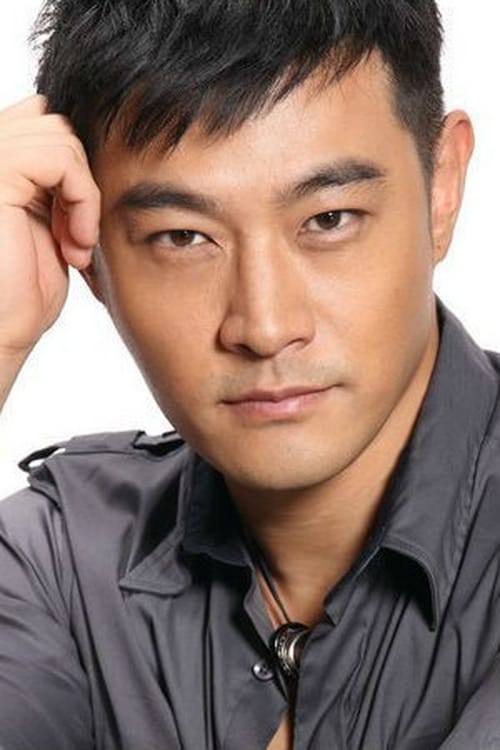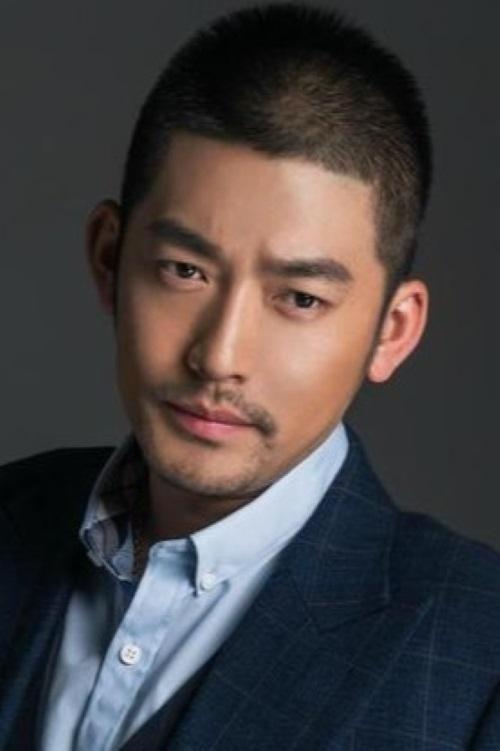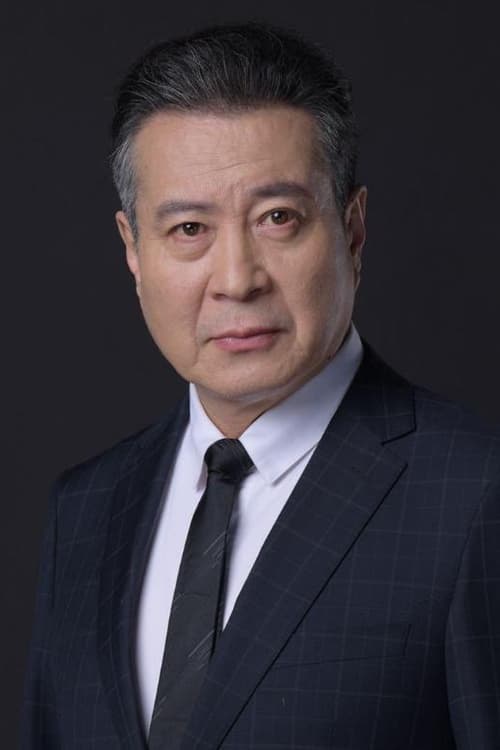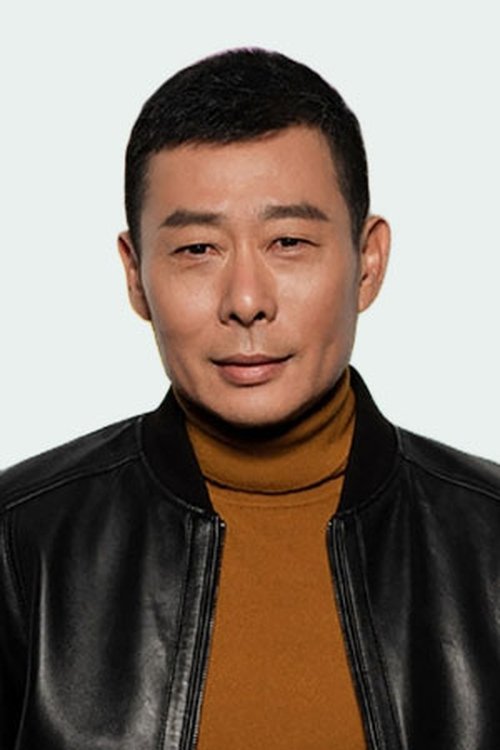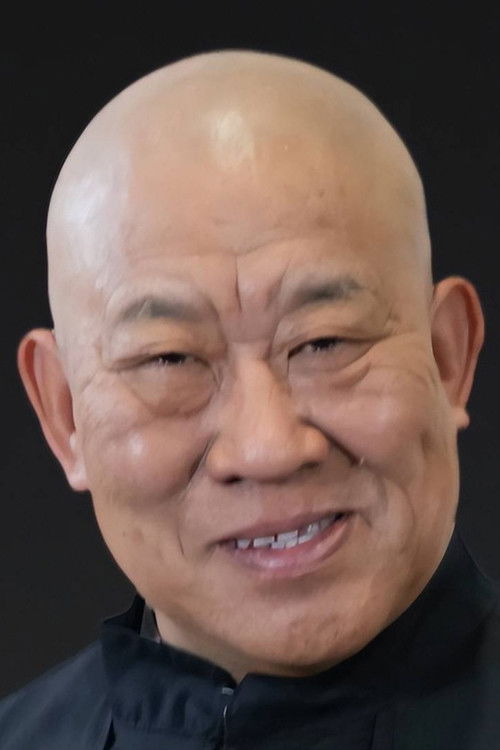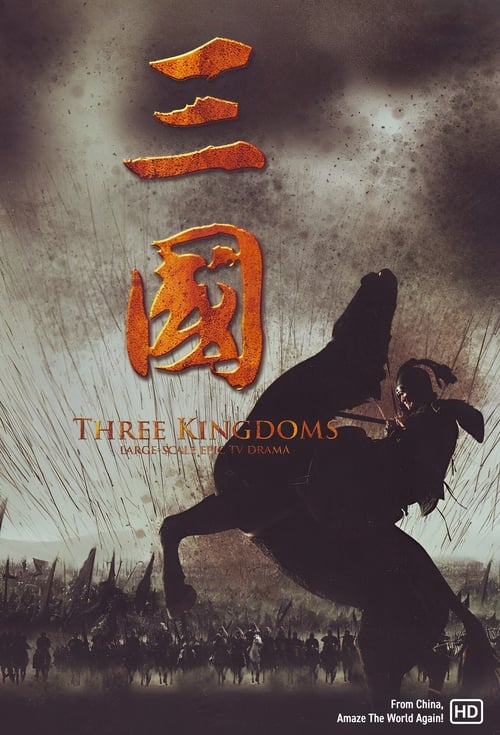
Three Kingdoms (三国) is a 2010 Chinese historical drama television series based on the events of the late Eastern Han dynasty and the Three Kingdoms period of Chinese history. The plot is adapted from the 14th-century historical novel Romance of the Three Kingdoms and other stories about the Three Kingdoms period. Directed by Gao Xixi, the series had a budget of over 160 million yuan and took five years of pre-production work. Shooting of the series commenced in October 2008, and it was released in China in May 2010.
Three Kingdoms set a record as the most expensive small-screen series in China's television history at the time, having been sold to four regional broadcasters at a price of 160 million yuan. It was sold to over 20 countries, earning an estimated 800 million yuan in total as of May 2012.
Contents
Cast
Replaced cast
Jiang Wen was originally cast as Cao Cao but he abandoned the role after two directors quit the project; he eventually portrayed Cao Cao in the 2011 film The Lost Bladesman. Soon afterwards, Tang Guoqiang, who previously portrayed Zhuge Liang in Romance of the Three Kingdoms (1994), asked for the role, but it had already been reassigned to Chen Jianbin by then.
Ken Watanabe asked director Gao Xixi for the role of Guan Yu. Gao reportedly was unable to meet Watanabe's request for a salary of 30–40 million yuan, and was forced to turn him away. The role eventually went to Yu Rongguang, who had previously appeared as Han De in the 2008 film Three Kingdoms: Resurrection of the Dragon.
Critical reception
The series was a commercial success in China and dominated ratings, but has received a mixed reception and caused controversy among critics and fans, with many commenting that the series deviated significantly not only from Romance of the Three Kingdoms but also historical records. The series was criticised for prioritising commercial entertainment over research and understanding of the novel and history, and creating plot holes in its reinterpretation. While some publications praised the producers' willingness to rewrite the events of the novel and reinterpret familiar characters, others criticise the writing and editing for being sluggish, superfluous and puerile, questioning some of the character and story reinterpretations, and using clichés from other Chinese gongdou (inner palace intrigue) and romantic soap dramas to be eye-catching while losing the solemnity and dignity of the original source material.