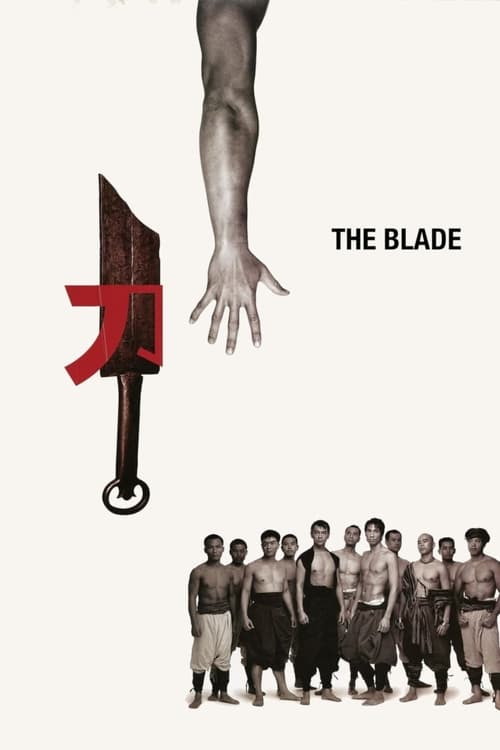
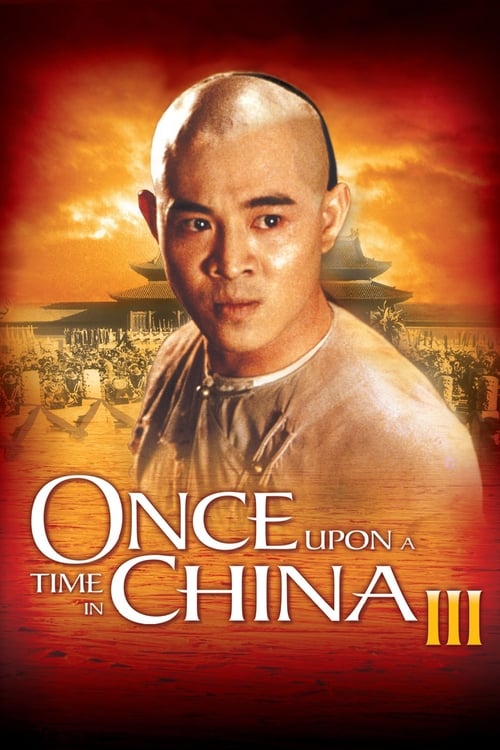
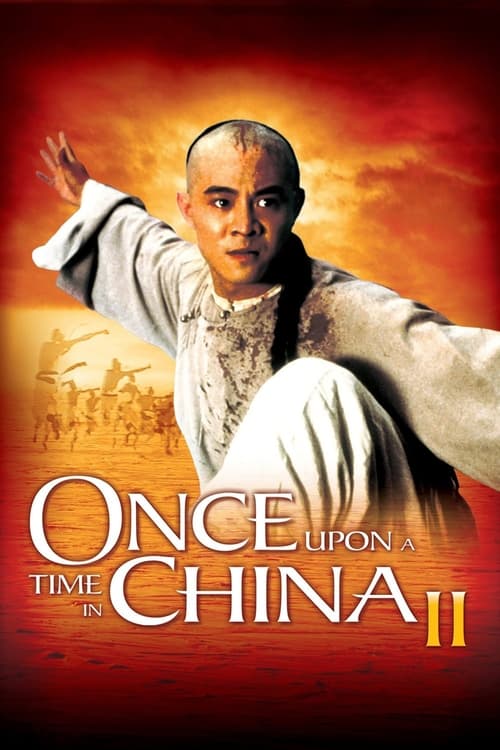
Tsui Man-kong (Chinese: 徐文光, Vietnamese: Từ Văn Quang), known professionally as Tsui Hark (Chinese: 徐克, Vietnamese: Từ Khắc, born 15 February 1951), is a Hong Kong filmmaker. A major figure of the Hong Kong New Wave, Tsui gained critical and commercial success with films such as Zu Warriors from the Magic Mountain (1983), the Once Upon a Time in China film series (1991–97), Green Snake (1993), The Lovers (1994), and The Blade (1995). His credits as a writer and producer include A Better Tomorrow (1986), A Chinese Ghost Story (1987), The Killer (1989), Swordsman II (1992), New Dragon Gate Inn (1992), The Wicked City (1992), Iron Monkey (1993), and Black Mask (1996).
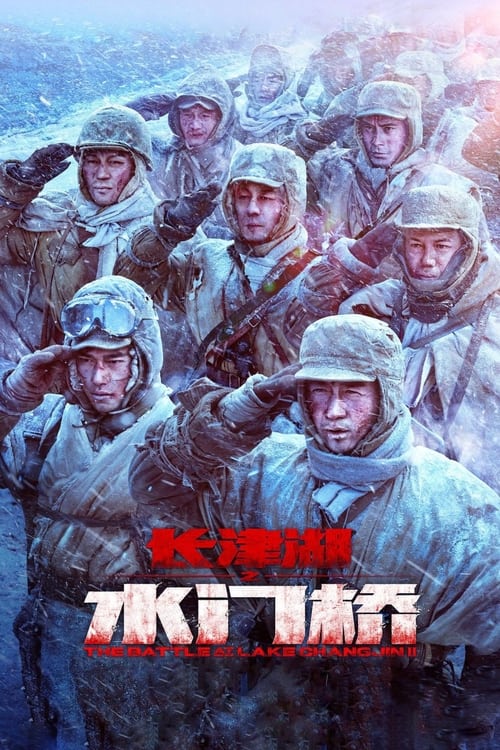
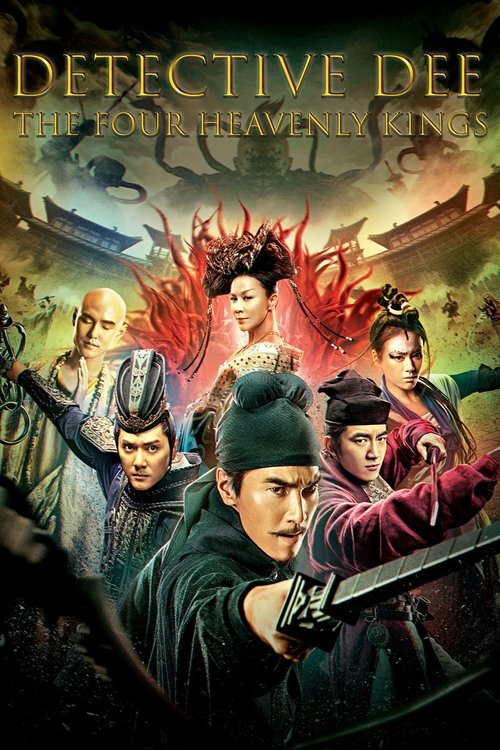
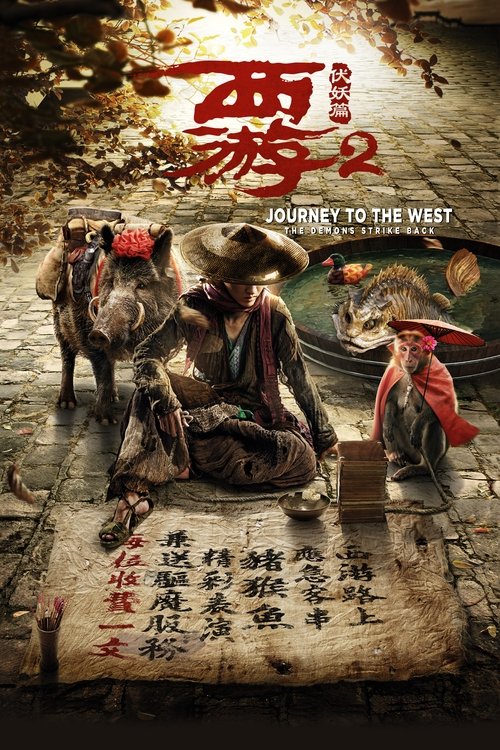
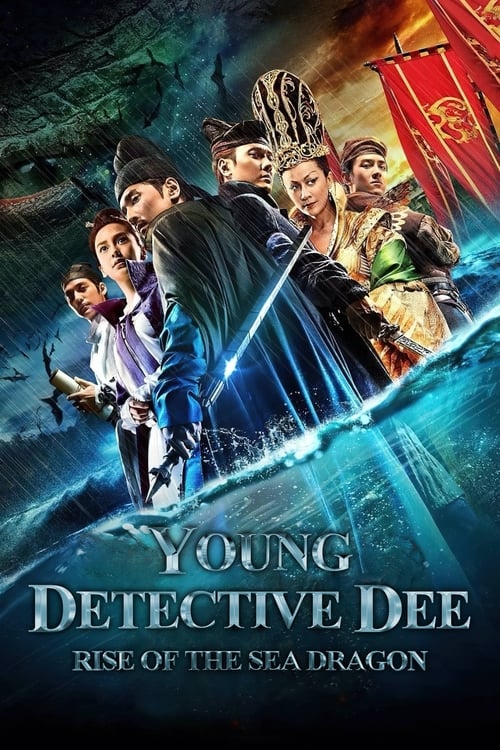
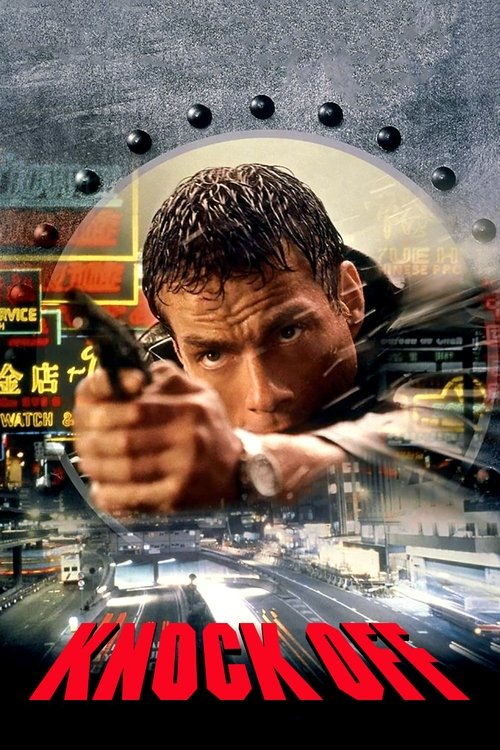
Amid the Hong Kong handover, Tsui briefly pursued a career in the United States, directing the Jean-Claude Van Damme–led films Double Team (1997) and Knock Off (1998), before returning to Hong Kong. Since the early 2000s, he has shifted to Mainland–Hong Kong co-productions and found success with blockbusters such as the Detective Dee film series, Flying Swords of Dragon Gate (2011), The Taking of Tiger Mountain (2014), and The Battle at Lake Changjin (2021).
Contents
Early life and education
Tsui was born in Saigon, French Indochina, to a large Hoa Chinese family with 16 siblings. He was moved by his father to Guangzhou, China as a child, and grew up there until immigrating to Hong Kong when he turned 14. Tsui showed an early interest in show business and films; when he was 10, he and some friends rented an 8mm camera to film a magic show they put on at school. He also drew comic books, an interest that would influence his cinematic style.
Tsui started his secondary education in Hong Kong in 1966. He proceeded to study film in Texas, first at Southern Methodist University and then at the University of Texas at Austin, graduating in 1975. He claims to have told his parents he wanted to follow in his father's footsteps as a pharmacist, and that it was here he adopted the stage name Hark (克; "overcoming").
After graduation, Tsui moved to New York City, where he worked on From Spikes to Spindles (1976), a noted documentary film by Christine Choy on the history of the city's Chinatown. He also worked as an editor for a Chinese-language newspaper, developed a community theatre group and worked in a Chinese cable TV station. He returned to Hong Kong in 1977.
Career
1977–1981: New Wave period
Tsui returned to Hong Kong in 1977 and worked for TVB, the dominant local television station, then moved to its rival, CTV, lured by its general manager Selina Chow. Viewed as having an eye for talent (numerous future New Wave directors got their first directing gigs under Chow) she put Tsui in charge of the martial arts drama, The Gold Dagger Romance, which marked him as a talent to watch.
Producer Ng See-yuen saw Gold Dagger Romance and hired Tsui to direct his first feature, The Butterfly Murders (1979), a technically challenging blend of wuxia, murder mystery and science fiction / fantasy elements. His second film, We're Going to Eat You (1980), was a blend of cannibal horror, black comedy and martial arts. He was quickly typed as a member of Hong Kong's "New Wave" of directors.
Tsui's third film, Dangerous Encounters of the First Kind (1980), was a nihilistic thriller about delinquent youths on a bombing spree. Heavily censored by the British colonial government, it was released in 1981 in a drastically altered version titled Dangerous Encounter – 1st Kind (or alternatively, Don't Play with Fire). The movie out-grossed Tsui's previous two films, however and made him a darling of film critics with writers describing it as "one of those very rare films in the history of Hong Kong cinema that brims with accusation and subversion" and saying that it described "man as trapped animals – this is the popular theme of the New Wave and the one enduring image in their narratives."
1980s–1990s: Golden era
In 1981, Tsui joined Cinema City & Films Co., a production company founded by comedians Raymond Wong, Karl Maka and Dean Shek. Cinema City & Films Co. was instrumental in codifying the slick Hong Kong blockbuster films of the 1980s. Tsui played his part in the process with pictures like the crime farce All the Wrong Clues (1981), his first hit, and Aces Go Places 3 (1984), part of the studio's long-running spy spoof series.
In 1983, Tsui directed the wuxia fantasy film Zu Warriors from the Magic Mountain (1983) for the studio Golden Harvest. Tsui imported Hollywood technicians to help create special effects whose number and complexity were unprecedented in Chinese-language cinema.
In 1984, Tsui formed the production company Film Workshop with Nansun Shi. He also developed a reputation as a hands-on and even intrusive producer of other directors' work, fuelled by public breaks with major filmmakers like John Woo and King Hu. His most famous collaboration has probably been with Ching Siu-tung. As action choreographer and/or director on many Film Workshop productions, Ching made a major contribution to the well-known Tsui style.
Film Workshop releases became consistent box office hits in Hong Kong and around Asia, drawing audiences with their visual adventurousness, their broad commercial appeal, and hectic camerawork and pace. With Tsui having been called the 'Steven Spielberg of Asia', Film Workshop became the 'Amblin of Hong Kong'. He produced John Woo's A Better Tomorrow (1986), which launched a craze for Heroic bloodshed movies, and Ching Siu-tung's A Chinese Ghost Story (1987), which did the same for period ghost fantasies. Zu Warriors from the Magic Mountain and The Swordsman (1990) birthed the modern-day special effects industry in Hong Kong.
In fact, Tsui's "movie brat" nostalgia is one of the main ingredients in his work. He often resurrects and revises classic films and genres: the murder mystery in The Butterfly Murders (1979); the Shanghai musical comedy in Shanghai Blues (1985). Peking Opera Blues (1986) plays with and pays tribute to the traditions of the Peking opera that his mother took him to see as a small boy and which had such a strong influence on Hong Kong action cinema. The Lovers (1994) adapts a retold, cross-dressing period romance, best known from Li Han-hsiang's 1963 opera film The Love Eterne. A Chinese Ghost Story remakes Li's supernatural romance The Enchanting Shadow (1959) as a special effects action movie.
2000s–present: China-Hong Kong co-productions
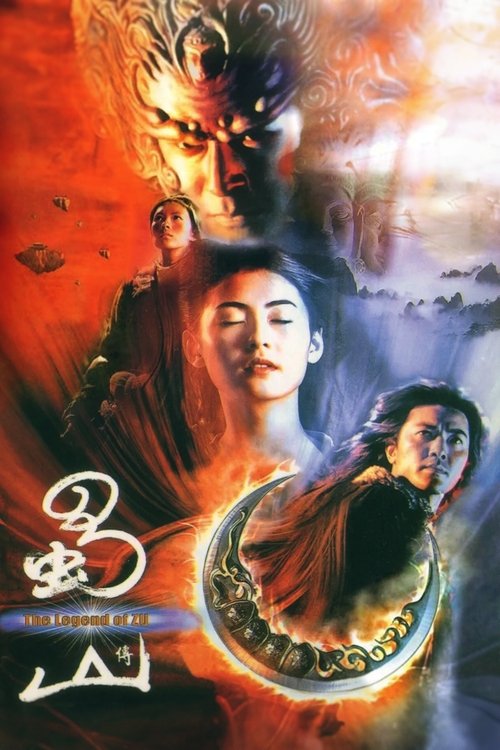
Tsui returned to directing at home in 2000 after not having made a local film since 1996. Time and Tide (2000) and The Legend of Zu (2001) were action extravaganzas with lavish computer-generated imagery that gained cult admirers but no mass success.
Tsui continues to push technical boundaries and revise old favourites. Old Master Q 2001 was Hong Kong's first combination of live action and Pixar-style 3D computer animation. The Era of Vampires (2002; US title, "Tsui Hark's Vampire Hunters") reworked a subgenre popular in the '80s, hybrid martial arts / supernatural horror films featuring the "hopping corpses" of Chinese folk legend. He also directed a short film in 2003, titled Believe It or Not, which was part of the 1:99 Shorts, featuring 11 segments of short films made by various directors and featured many Hong Kong actors to raise awareness against the 2002–2004 SARS outbreak. The following year Tsui also produced a martial arts filmed named Xanda.
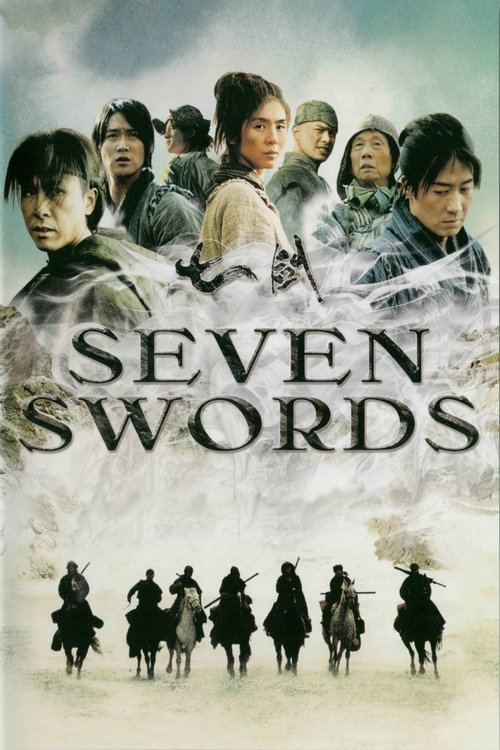
In 2005, Tsui launched the multimedia production Seven Swords, a film adaptation of Liang Yusheng's novels Saiwai Qixia Zhuan and Qijian Xia Tianshan. The film came with a television series counterpart (Seven Swordsmen), a comic book series, a cellphone game, clothing brand, and an online multi-player video game. The film was relatively successful, and in February 2006 Tsui announced plans to begin filming the second late in the year. As of 2008, Tsui continues to work on the script for Seven Swords 2 in between filming projects. In 2011 there has been no news nor plans about a Seven Swords 2. Rumors has it that due to lack of interest by the filmmakers of finishing the hexalogy lead the project into being cancelled.
In August 2008, Tsui provided art direction for the direct-to-video anime feature titled Kungfu Master (a.k.a. Wong Fei Hong vs Kungfu Panda), an apparent unofficial sequel to Kung Fu Panda, featuring Chinese folk hero Wong Fei-hung. He also directed the 2008 thriller Missing starring Angelica Lee and the 2008 romantic comedy film All About Women featuring comic graphics and extensive ADR dubbing.
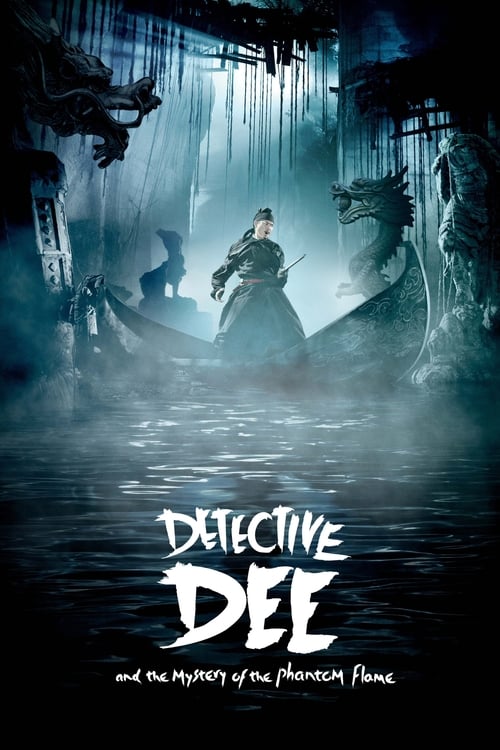
Tsui's latest work in 2010 is Detective Dee and the Mystery of the Phantom Flame, a rare but successful blend of wuxia, suspense-thriller, mystery, and comedy, which was in competition for the Golden Lion award and was also nominated and won numerous other awards.
Personal life
Tsui Hark has been married twice. He was briefly married during his time studying in the U.S. in the 1970s. In 1977, he met Nansun Shi while working at Commercial Television in Hong Kong and they began dating a year later. In 1984, they founded a film studio, where Shi was responsible for financing, distribution, and promotion. The couple co-produced over a hundred films. In 1993, rumours circulated about Tsui's affair with Sally Yeh, allegedly causing a temporary split with Shi. In 1996, Tsui and Shi married in Beverly Hills, California. In 2008, Tsui was reported to have been living with Seven Swords (2005) actress Chen Jiajia in Beijing. When asked about their status of marriage, Shi then responded, "Let me give you a standard answer. I've been saying this for years: what happens between two people is private and doesn't concern a third party." By 2011, Tsui began dating his assistant, Lele, whom he had met online during the filming of Flying Swords of Dragon Gate (2011). Shi announced their divorce in 2014, adding that Tsui and Lele had been together for some time.