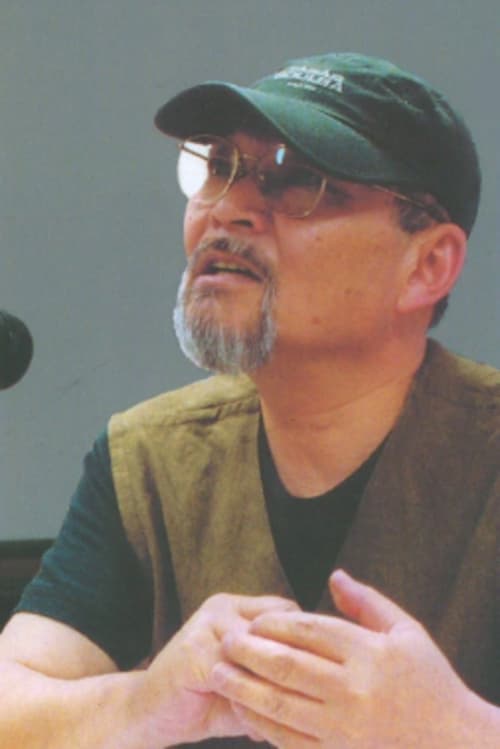
Tsutomu Shibayama (芝山 努, Shibayama Tsutomu; March 9, 1941 – March 6, 2026) was a Japanese animator, screenwriter, animation supervisor, storyboard artist, character designer, and anime director of film and television. He was also the CEO and president of Ajiado until his death.
He had been active since the 1960s and worked on a wide variety of television anime series and theatrical anime films.
Contents
Biography
Early life
Shibayama was born in Asakusa, Taitō in Tokyo on March 9, 1941.
Born as the second son of a family who had been in the Asakusa business for four generations, wholesaling and selling shamisen parts, his maternal grandmother worked as a hairdresser for kabuki actors, and he was exposed to performing arts, theater, and other downtown culture from a young age.
Toei Animation & Shin-Ei Animation
In 1963, He joined Toei Animation. His colleague that year was Hayao Miyazaki. That same year, Shibayama made his debut as an animator on the animated film Doggie March. He also studied under Seiichi Hayashi on the TV anime Wolf Boy Ken, and was greatly influenced by Hayashi's artistic style.
In 1966, following Toei Animation's decision to scale back its animation production operations, he moved to A Production (which was reorganized as Shin-Ei Animation in 1976). A Production was established as a company to handle the actual production of animations planned by Tokyo Movie (now TMS Entertainment), and Shibayama began working on Tokyo Movie's projects. There, Shibayama served as an animation director and director of animation on numerous works, including Moomin, Tensai Bakabon, and The Gutsy Frog.
Foundation of Ajiado
In 1978, he left Shin-Ei Animation and founded Ajiado with Osamu Kobayashi, and others.
In 1979, he made his debut as a director of feature-length animated films with Ganbare!! Tabuchi-kun!!.
When Disney Television Animation and Tokyo Movie began co-producing television animation for about three years starting in 1985, Shibayama also joined the project; although his name did not appear in the credits, he served as the Japanese chief director on The Wuzzles, DuckTales, and The New Adventures of Winnie the Pooh.
Later years
In 2012, he received the Agency for Cultural Affair Award for his work in animation.
Death
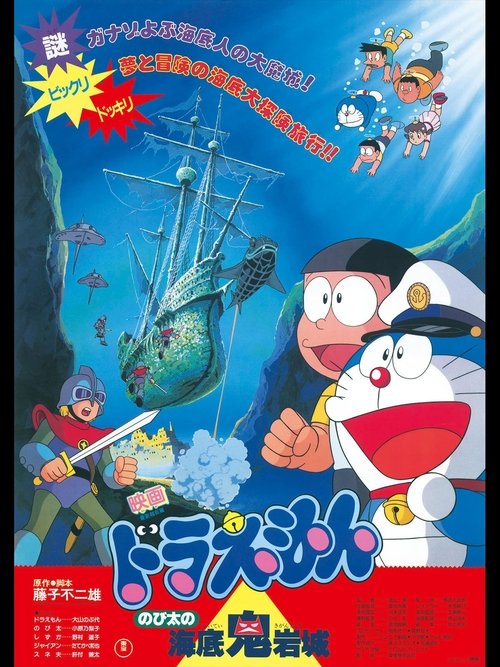
Shibayama died from lung cancer on March 6, 2026, at the age of 84. It occurred a week after the release of Doraemon: New Nobita and the Castle of the Undersea Devil, a remake of Doraemon: Nobita and the Castle of the Undersea Devil, which was Shibayama's directorial debut in the Doraemon film series.
The ending song of the March 21, 2026 broadcast of Doraemon was changed, including the theme song, with a tribute message for Shibayama shown. The Fujiko F. Fujio Museum also expressed condolences.
Style
Shibayama stood in stark contrast to Hayao Miyazaki, who began his career around the same time; he was an animator who never actively asserted his own views and remained strictly behind the scenes. When his work began to gain recognition among anime fans, he commented, "I feel a sense of guilt for having gone beyond the call of duty."
As a director, Shibayama would create detailed storyboards and layouts during preliminary meetings, then leave the subsequent direction and animation entirely to the animators on the floor without making any revisions. This approach also served to nurture the next generation of animators.
He was also known for his speed. As the layout artist on Lupin the 3rd: The Mystery of Mamo, he single-handedly created over 1,000 shots in about four months; these layouts were so detailed that they could have passed as final key animation. At one point, he even directed four projects simultaneously.
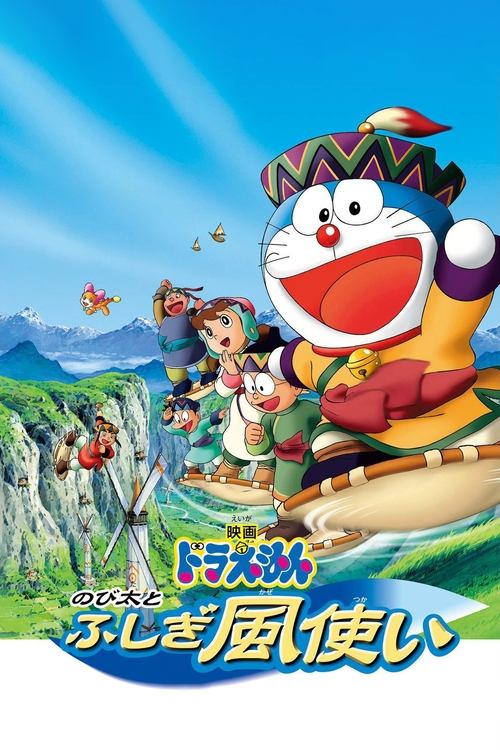
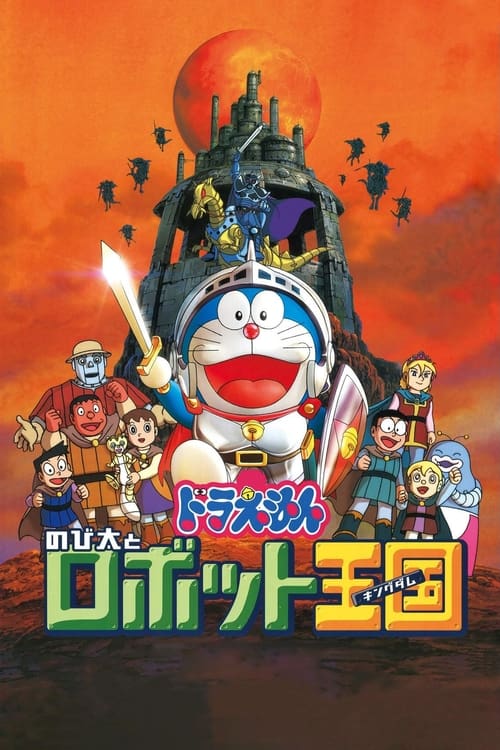
His delicate storyboards, which are easy to see, reduced the effort required for animators to draw. They showcased action with camera angles and varied camera work that made it easy to portray characters, for meticulous time calculations, and to get detailed drawings. His storyboards in particular for Doraemon: Nobita and the Robot Kingdom and Doraemon: Nobita and the Windmasters were even published as books.
Miyazaki and Seiichi Hayashi were amongst those who joined Toei Animation the same time Shibayama had, even being the same age as Miyazaki, as they were both born in 1941.
Keiichi Hara, director of films such Crayon Shin-chan: The Storm Called: The Adult Empire Strikes Back and Colorful, stated that he was greatly influenced by Shibayama's storyboards, demonstrating the influence of Shibayama's meticulous storyboards on many animators and directors.
Despite the high praise, Shibayama was once dissatisfied with praise such as "Shibayama-san of Doraemon" and "Shibayama-san's anime is reassuring to watch", to which he would respond, saying, "I want to depict the darker, more murky inner workings of human nature."
Legacy
Mitsuru Hongo, director of the Crayon Shin-chan anime, commented on Shibayama, "The quality and quantity of his work is simply overwhelming. It's been a while since he retired from the field, but the impact he has left on future generations is immeasurable.".
Yasuo Ōtsuka, animator and character designer on various Japanese anime productions, commented on Moomin, "It was a pleasant surprise to have Tsutomu Shibayama and Osamu Kobayashi help with the animation direction. Shibayama's subtle acting and Kobayashi's slightly goofy and warm acting greatly contributed to the quality of Moomin."
Sōji Yoshikawa, director of Lupin the 3rd: The Mystery of Mamo, praised Shibayama's layout skills for the movie.
Masae Ōtake, key animator on Heathcliff, commented on Shibayama's layouts for Lupin the 3rd: The Mystery of Mamo, "It gave me goosebumps. Is this what a professional is like? I thought, 'If you can't do it like this, you can't become a professional...'"
Manga artist Nao Minda tweeted, "The layout for Lupin III: Lupin vs. the Clone was also done by Tsutomu Shibayama. His skill in making full use of the widescreen Vista aspect ratio is nothing short of amazing. All artists should study from here." and "You can see how amazing Tsutomu Shibayama is just by watching Lupin III: Lupin vs. the Clone. He was in charge of the layout for this movie, and to this day, no anime has surpassed Shibayama's composition in 16:9 aspect ratio."
Filmography
Television animation
Wolf Boy Ken (1963-1965)
Obake no Q-Tarō (1965-1967): Animation
Hustle Punch (1965-1966): Animation director
Perman (1967-1968): Animation
King Kong (1967): Animation director
Star of the Giants (1968-1971): Animation director
Moomin (1969-1970): Animation director
Tensai Bakabon (1971-1972): Animation director
The Gutsy Frog (1972-1974): Animation director
First Human Giatrus (1974-1976): Key animation
Gamba no Bouken (1975): Layout artist
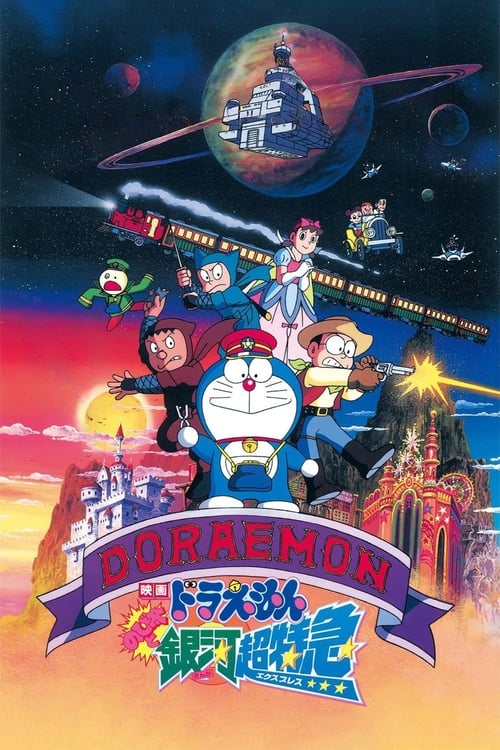
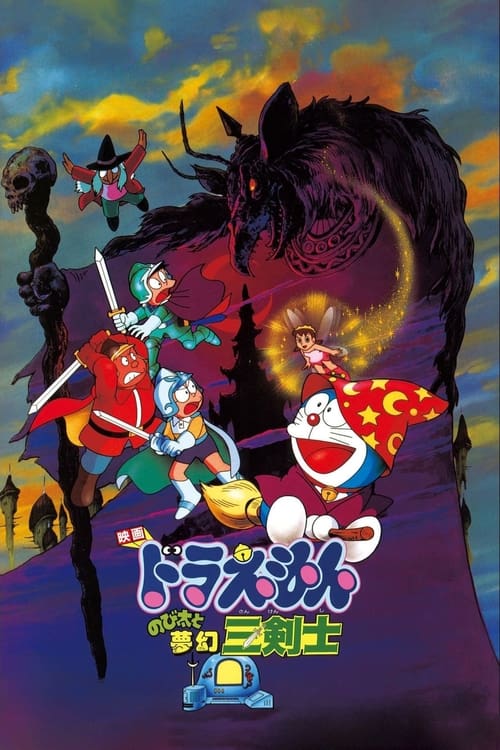
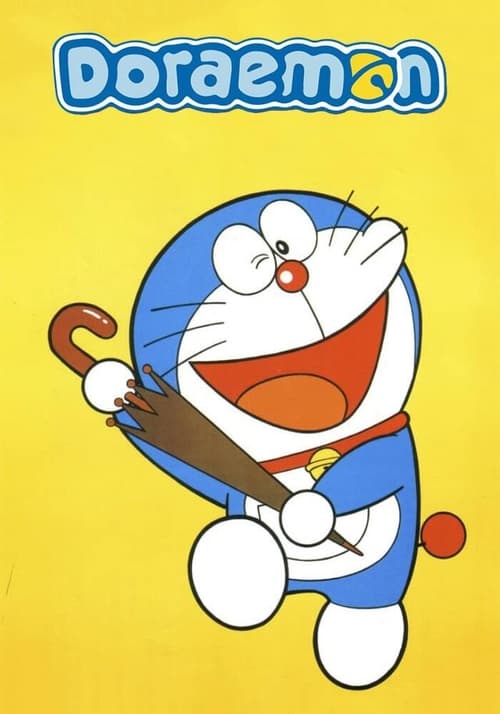
Doraemon (1979-2005): Chief director, scriptwriter, storyboard artist (1984-2005)
The Wuzzles (1985): Japanese chief director
DuckTales (1987): Japanese chief director (Season 1)
The New Adventures of Winnie the Pooh (1989): Japanese chief director (Season 1)
Ranma ½ (1989): Director
Chibi Maruko-chan (1990-1992): Director
Nintama Rantaro (1993-2012): Director
Mighty Cat Masked Niyandar (2000-2001): Director
Theatrical animation
Lupin the 3rd: The Mystery of Mamo (1978): Layout artist
Do Your Best!! Tabuchi-kun!! (1979): Director
Doraemon film series
Doraemon: Nobita's Dinosaur (1980): Layout artist
Doraemon: Nobita and the Castle of the Undersea Devil (1983): Director and storyboard artist
Doraemon: Nobita's Great Adventure into the Underworld (1984): Director and storyboard artist
Doraemon: Nobita's Little Star Wars (1985): Director and storyboard artist
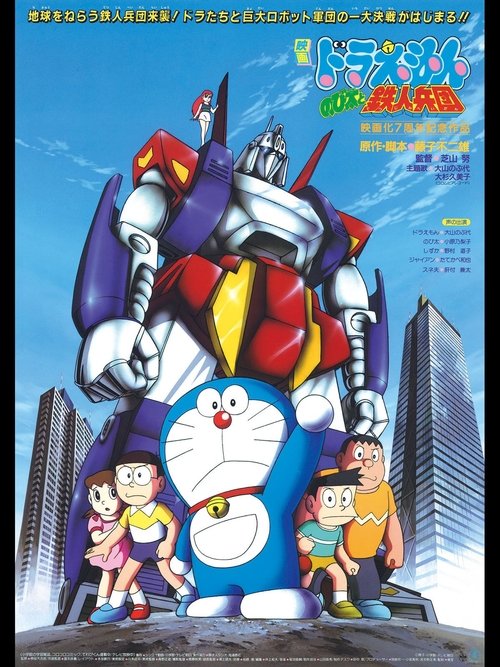
Doraemon: Nobita and the Steel Troops (1986): Director and storyboard artist
Doraemon: Nobita and the Knights of Dinosaurs (1987): Director and storyboard artist
Doraemon: The Record of Nobita's Parallel Visit to the West (1988): Director and storyboard artist
Doraemon: Nobita and the Birth of Japan (1989): Director and storyboard artist
Doraemon: Nobita and the Animal Planet (1990): Director and storyboard artist
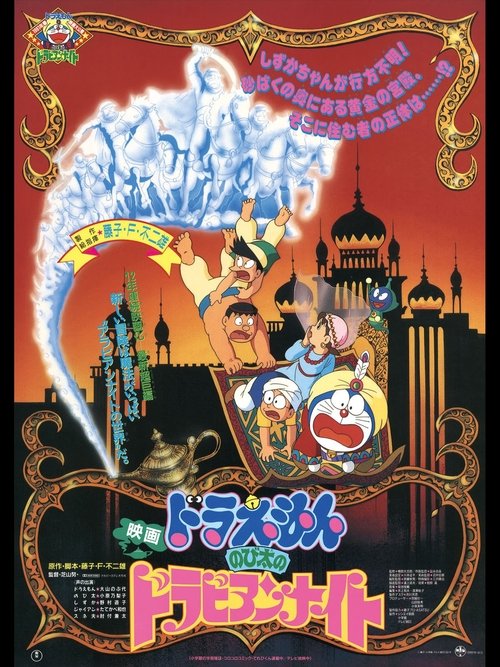
Doraemon: Nobita's Dorabian Nights (1991): Director and storyboard artist
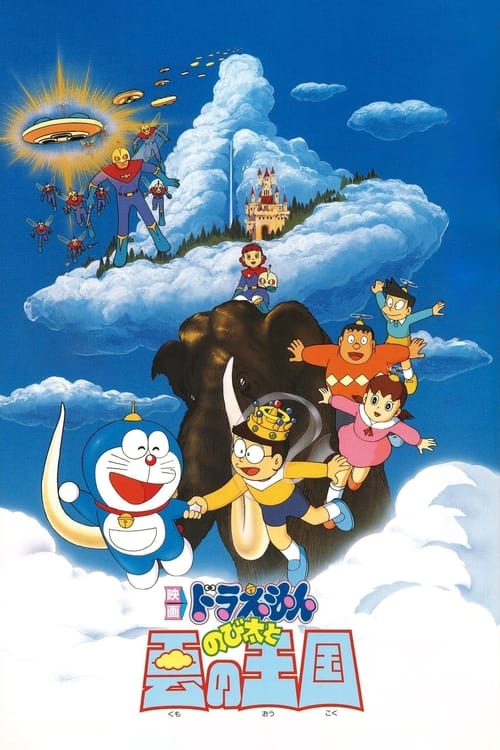
Doraemon: Nobita and the Kingdom of Clouds (1992): Director and storyboard artist
Doraemon: Nobita and the Tin Labyrinth (1993): Director and storyboard artist
Other
Lupin the Third: Pilot Film (1969): Character designer and animator