Rising fame
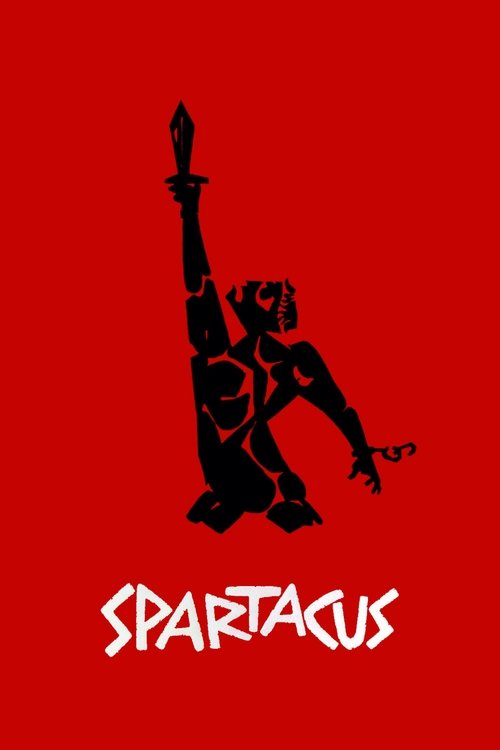
Strode was next cast in Spartacus (1960) as the Ethiopian gladiator Draba, in which he has to fight Spartacus (played by Kirk Douglas) to the death. Draba wins the contest, but instead of killing Spartacus, he attacks the Roman military commander who paid for the fight. He is killed and his death sparks a gladiator rebellion. Despite his brief time on screen, Strode's performance was highly praised, earning him a nomination for the Golden Globe for Best Supporting Actor.
Strode had an excellent support part in The Last Voyage (1960) playing an heroic stoker, though he was only billed fifth.
While making Pork Chop Hill he became a close friend of director John Ford. Ford gave Strode the title role in Sergeant Rutledge (1960) as a member of the Ninth Cavalry, who is greatly admired by the other black soldiers in the unit and is falsely accused of the rape and murder of a white woman.
"The big studios wanted an actor like Sidney [Poitier] or [Harry] Belafonte," recalled Strode. "And this is not being facetious, but Mr. Ford defended me; and I don't know that this is going on. He said, "Well, they're not tough enough to do what I want Sergeant Rutledge to be."
"That was a classic," he later said. "It had dignity. John Ford put classic words in my mouth... You never seen a Negro come off a mountain like John Wayne before. I had the greatest Glory Hallelujah ride across the Pecos River that any black man ever had on the screen. And I did it myself. I carried the whole black race across that river."
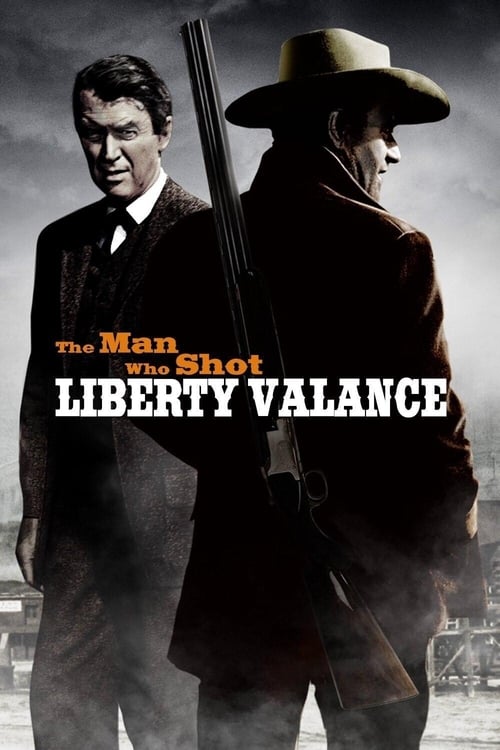
Strode had difficulty maintaining the momentum of these roles. He was in The Sins of Rachel Cade (1961) and guest starred twice on Rawhide, playing an Australian aboriginal in one episode and a buffalo soldier in the other. Ford used him again in Two Rode Together (1962) but it was only a small part, as an Indian. He had a bigger role in The Man Who Shot Liberty Valance (1962) for Ford, playing Pompey, John Wayne's hired hand. In the film, Strode's character recites the Declaration of Independence but apologizes for forgetting the phrase "all men are created equal", a poignant line for the 1962 audience.
Pompey/Strode physically carries and thereby saves a drunken, suicidal John Wayne from his burning home.
In 1963, he was cast opposite Jock Mahoney's Tarzan as both the dying leader of an unnamed Asian country and that leader's unsavory brother, Khan, in Tarzan's Three Challenges. He guest starred on The Lieutenant, The Farmer's Daughter and Daniel Boone and had roles in the features Genghis Khan (1965) and 7 Women (1966), the latter the last film he made for Ford. Strode was very close to the director. "He treated me like a son," said Strode. "I had a certain amount of crudeness that went back a hundred years, and that's what he liked."
During Ford's declining years Strode spent four months sleeping on the director's floor as his caregiver, and he was later present at Ford's death.
In the late 1960s, he appeared in several episodes of the Ron Ely Tarzan television series. Strode's other television work included a role as the Grand Mogul in the Batman episodes "Marsha, Queen of Diamonds" and "Marsha's Scheme of Diamonds".
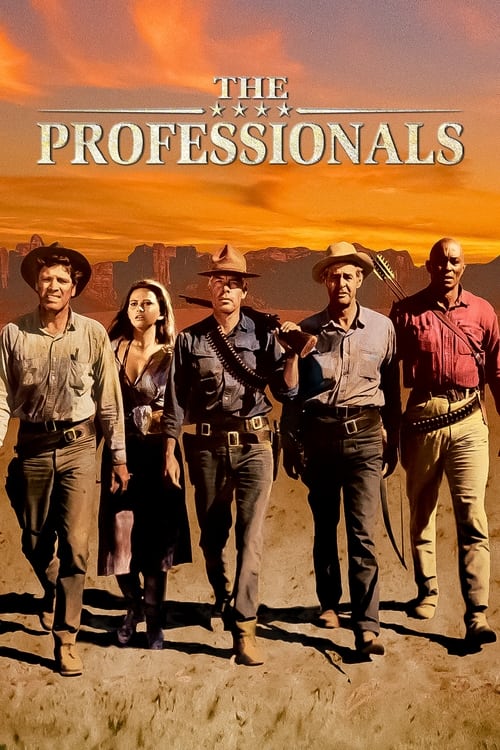
Strode landed a major starring role as a Bounty Hunter and soldier of fortune in the 1966 Western The Professionals. His name was the only one of the four "professionals" which was left off the movie poster; nevertheless, the film was a major box-office success establishing him as a recognizable star.
In 1967, he attempted to produce his own film, The Story of the Tenth Cavalry, but it was not made.
He based himself in Europe from 1968 to 1971.