



Gates Foundation Launches 60-Partner AI Language Coalition
6 sourcesUpdated Sep 21, 2026
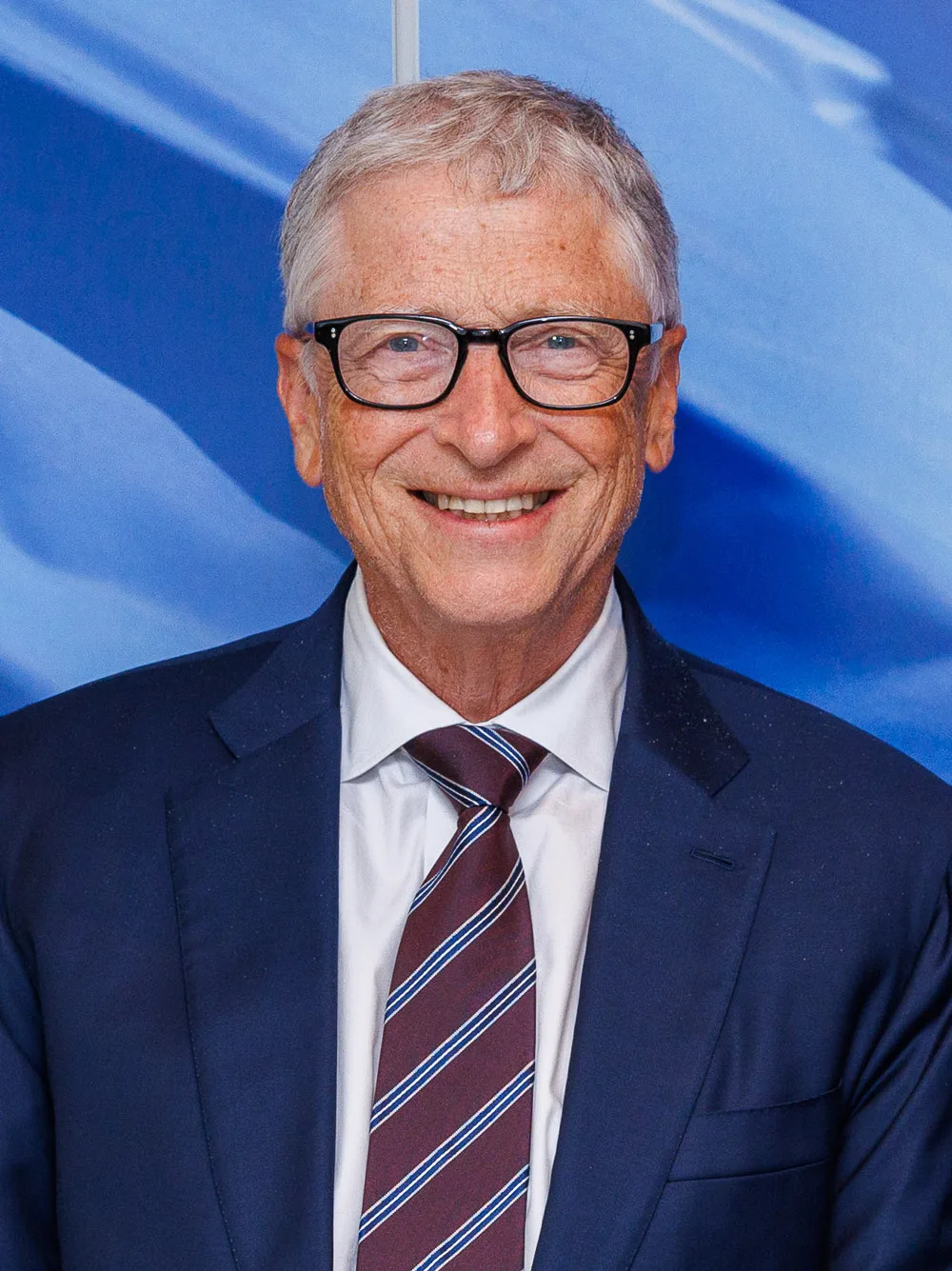
The Gates Foundation on Sept. 21, 2026, announced a coalition of 60 partners including Anthropic, Google and the OpenAI Foundation to expand AI language datasets for underrepresented languages and reach more than 3 billion people over five years. The launch follows a $1 billion AI commitment in last week's Goalkeepers report, which warned a model could mistranslate a pregnant Malawi woman saying her "water has broken" into "thrown away water." CEO Mark Suzman told the AP the work must continue full speed ahead even as some major AI companies urge slowing development: "Even if AI was frozen right now — which I don't expect and I am not calling for — we would want to be building these language sets and making them usable with the tools that we have available right now." E.M. Lewis-Jong of Mozilla Data Collective described the original sin of scraped internet data and said: "The internet is not a representative space. Why would you think that you were going to get a culturally diverse and representative system out of something that was predominantly trained on Reddit?" Anthropic's Elizabeth Kelly said products lag in many African languages and that patient outcomes and literacy depend on getting language right. A secretariat will track each signatory's commitment; governance details are still being finalized.
Where do you stand?
How it spread
What each side asserts, disputes — or leaves out entirely.
Whose framing of this story rings truest to you?
Left· 0 sources
No left coverage yet — a bubble gap.
Local language groups joining this should push back on any one foundation setting all the priorities for what gets fixed first.
Sixty partners targeting three billion people could work if they test translations with actual doctors and patients instead of just scaling up fast.
This coalition might finally fix how AI mangles medical phrases in places where English tools fall short and lives depend on clear warnings.