Okefenokee Designated UNESCO World Heritage Site

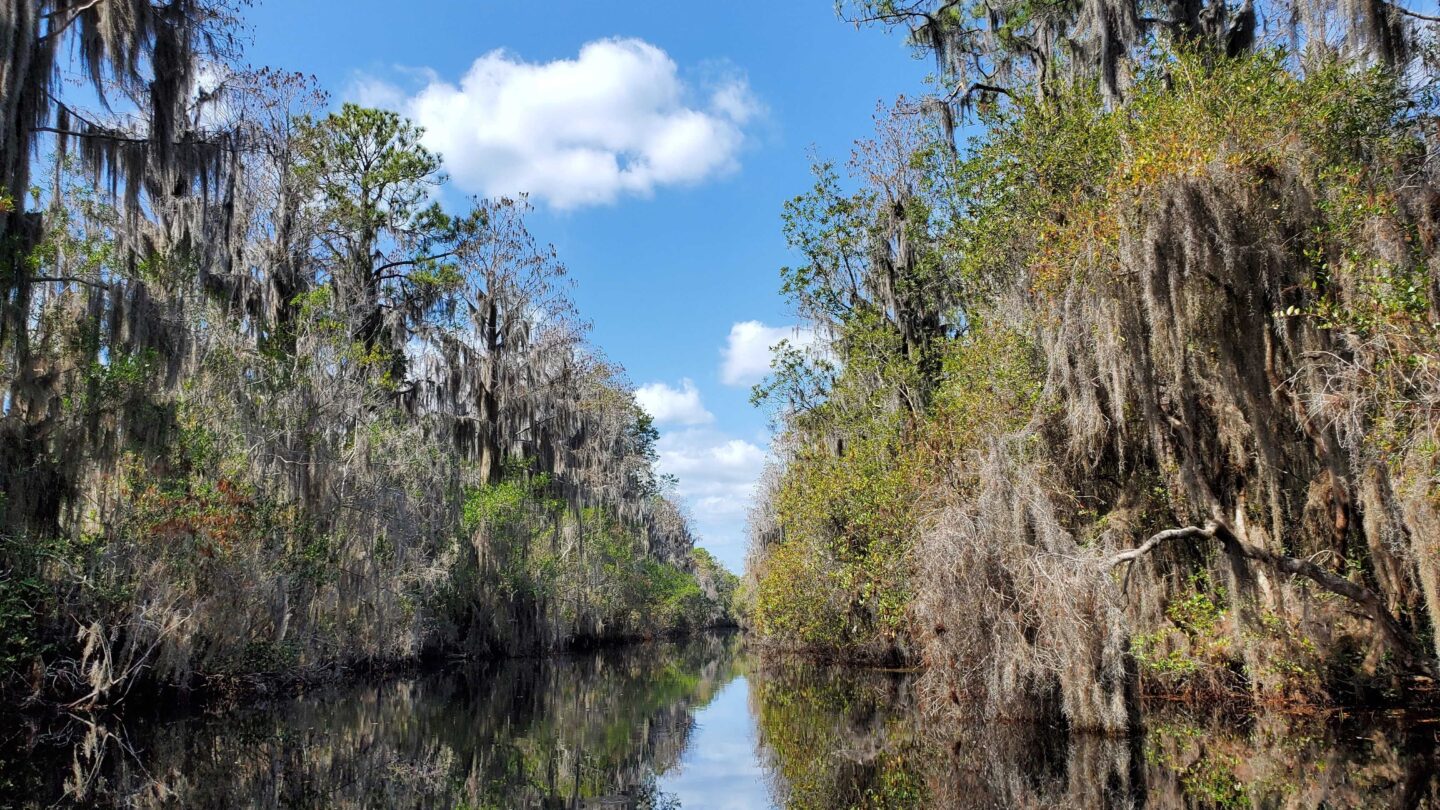
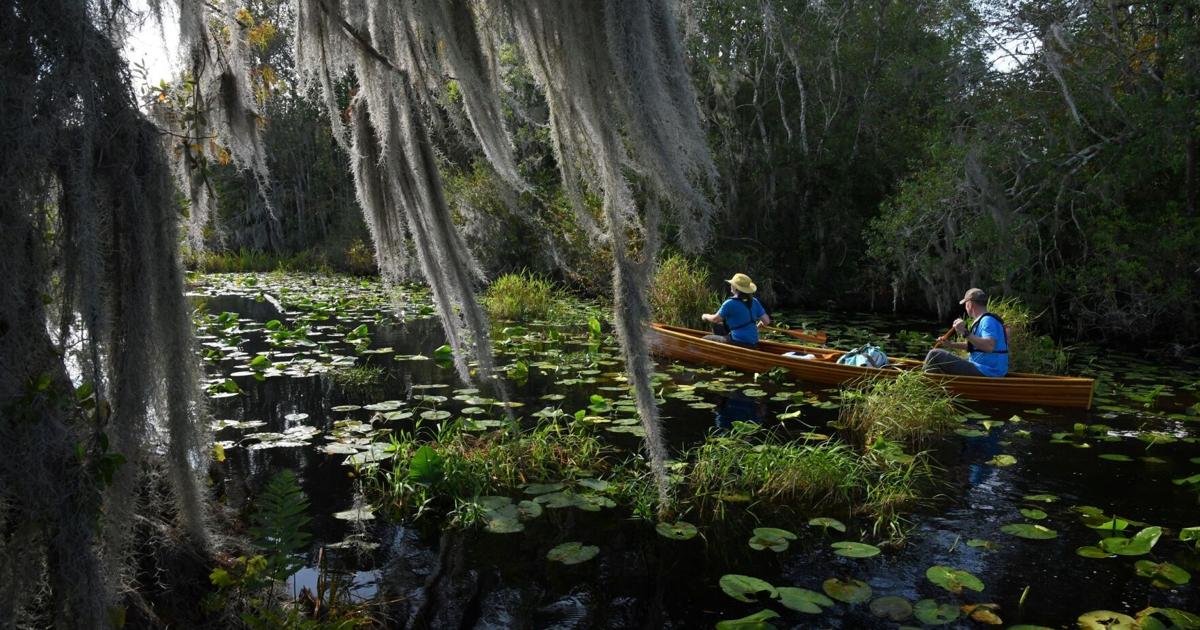
The Okefenokee National Wildlife Refuge in southeast Georgia has been designated a UNESCO World Heritage site, joining iconic places like the Grand Canyon and the Great Barrier Reef and marking the first natural site in the U.S. in three decades. The 407,000-acre wetland is celebrated for its biodiversity, vast peat beds that sequester carbon, and its role as the headwaters of the Suwannee and St. Marys rivers. The name Okefenokee derives from a Muskogean phrase meaning “land of the trembling earth,” underscoring its deep cultural and natural significance to Indigenous communities. Local debate persists over conservation versus development, including past mining proposals near the swamp, but officials and conservation groups emphasize that inscription strengthens protection and rural communities. Government and conservation leaders view the designation as a milestone for recognition and ongoing stewardship, while some residents fear increased U.N. involvement. The decision was announced at the UNESCO World Heritage Committee meeting in Busan, South Korea, reflecting a global acknowledgment of the swamp’s unique value.